

fb All examinations prior to breast augmentation.
Dr Jérémy Djian, 5 Square Thiers , 75016
menu close
Appointment appointment

Surgery

Tests before breast augmentation: everything you need to know

published on 17.03.2025 by Dr. Djian
<noscript><img width=
Summary
  • WHY SHOULD YOU HAVE A BREAST EXAMINATION BEFORE COSMETIC SURGERY?
  • THE MAIN MEDICAL EXAMINATIONS TO BE CARRIED OUT BEFORE BREAST AUGMENTATION
  • WHEN AND HOW SHOULD THESE TESTS BE CARRIED OUT BEFORE SURGERY?
  • WHAT TO DO IF TEST RESULTS REVEAL AN ABNORMALITY?
  • MISTAKES TO AVOID IN PRE-OPERATIVE EXAMINATIONS
  • CONCLUSION, KEY POINTS TO REMEMBER
  • OTHER ARTICLES TO GUIDE YOU BEFORE A BREAST AUGMENTATION
In short
  • The examinations prior to breast augmentation are essential to guarantee safety and optimum results They enable us to detect any anomalies and adapt surgery to each patient's profile.
  • The main examinations include : preoperative consultation, mammography or breast ultrasound, blood tests (coagulation test, blood count, ionogram) and visit to the anaesthetist.
  • These examinations must be carried out 2 to 4 weeks before surgery in approved laboratories or centers.
  • In the event of an anomaly, the operation may be postponed or cancelled to ensure patient safety.
  • The Dr Jérémy Djian ensures personalized, rigorous preparation, for a safe procedure and harmonious results.

Before breast augmentation, it is essential to follow the instructions carefully. every tip and the entire preoperative protocol to ensure its safety and guarantee optimal results. One of the key steps in this process is a preliminary medical examination. What are these examinations, and why are they essential? Here's everything you need to know.


WHY SHOULD YOU HAVE A BREAST EXAMINATION BEFORE COSMETIC SURGERY?


Before undergoing breast augmentation, In all cases, it is essential to undergo appropriate medical examinations. These help to prepare the operation in the best possible conditions.


ENSURING PATIENT SAFETY


Patient safety is a priority for every plastic surgeon. Preoperative examinations, such as a mammography before breast augmentation or blood tests, to detect any anomalies that could represent a risk during surgery.


IDENTIFYING AND PREVENTING POTENTIAL RISKS ASSOCIATED WITH SURGERY


Every patient is unique. Certain factors, such as a specific medical history or underlying health conditions, may increase the risks associated with anesthesia or surgery. Visit examinations for the anesthetist prior to breast augmentation are essential to limit these risks.


GUARANTEEING OPTIMUM RESULTS


Careful preparation also helps optimize intervention results. By identifying potential problems in advance, the surgeon can adapt his or her approach to meet the patient's expectations, while ensuring maximum safety.


THE MAIN MEDICAL EXAMINATIONS TO BE CARRIED OUT BEFORE BREAST AUGMENTATION


Preparing for breast augmentation involves a number of essential steps. These steps ensure that the procedure is personalized, safe and tailored to each patient's specific needs and expectations. Here are the essential tests to be carried out before breast surgery.


PRE-OPERATIVE CONSULTATION WITH THE SURGEON


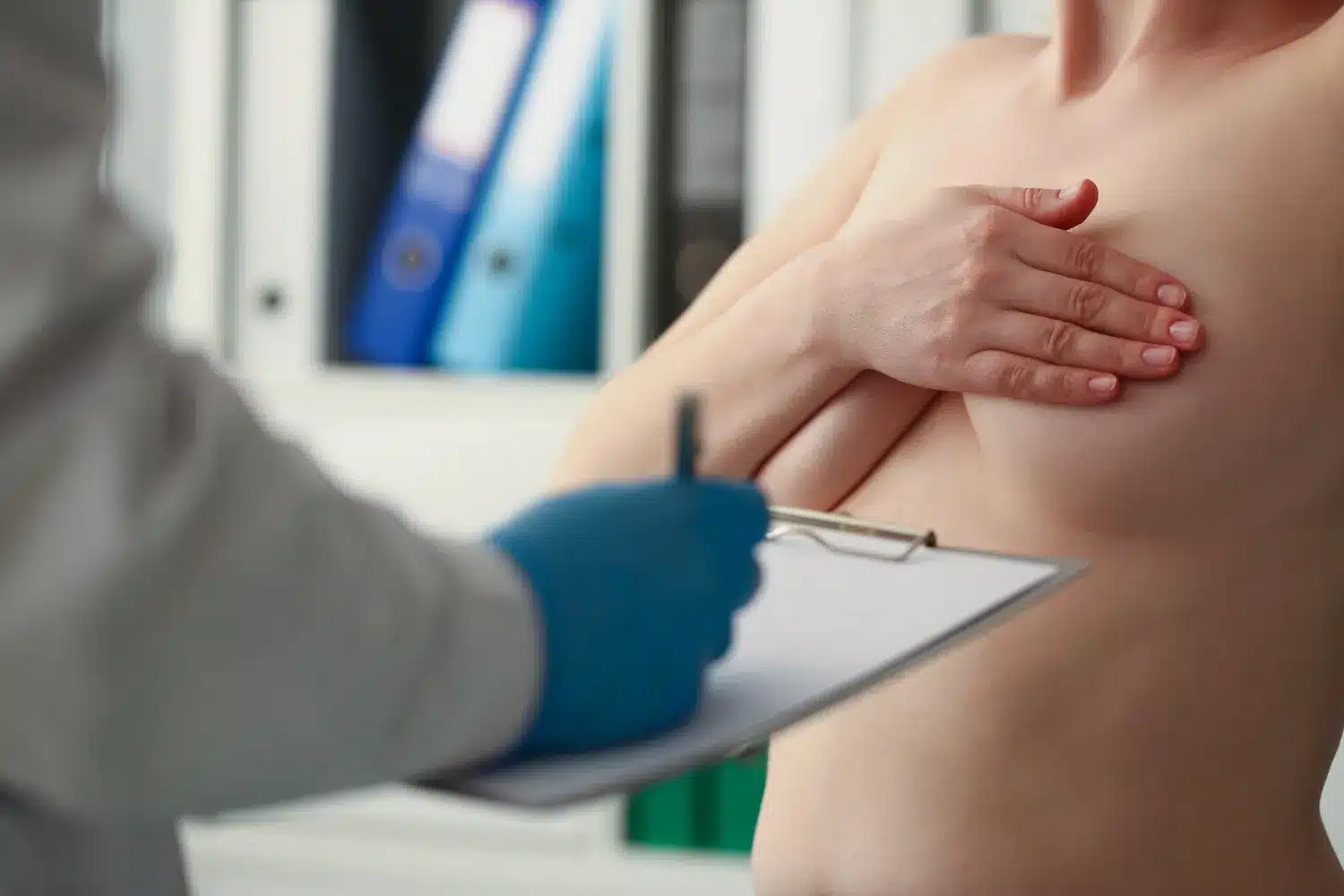
The first step in this preparation is an in-depth consultation with the surgeon. During this interview, a detailed questioning and careful examination will be carried out to take into account the unique characteristics of each patient:

  • Medical and surgical history : The surgeon takes into account any previous operations, pregnancies, breastfeeding or underlying diseases.
  • Analysis of physical parameters : Height, weight, thoracic and breast morphology, skin quality, musculature and distribution of fat and mammary gland are meticulously assessed.
  • Defining objectives : Depending on your wishes, a surgical strategy is defined together with Dr. Jérémy Djian. This includes the size and type of implants, their positioning (sub-muscular or not) and the location of scars.

Finally, this consultation is also an opportunity for the plastic surgeon to inform you of the possible risks (complications, limited lifespan of the implants, possible need for re-operation) and to obtain your informed consent. An official document is signed and given to you.


BREAST IMAGING TESTS


A breast X-ray is systematically prescribed prior to surgery to assess the condition of breast tissue and detect any abnormalities.

  • Mammography : generally recommended for patients over 40 or with a family history of breast cancer. It can identify lesions invisible to the naked eye.
  • Breast ultrasound Ultrasound: suitable for younger patients or dense breasts, ultrasound sometimes complements or replaces mammography.


BLOOD TESTS


Preoperative blood tests are mandatory to assess your overall health.

  • Coagulation test (haemostasis): this examination is essential to ensure that there is no risk of bleeding during or after the operation.
  • Search for anomalies or deficiencies A blood count and ionogram are used to detect any imbalances or deficiencies that could influence medical management.

If anemia is detected, usually due to iron deficiency, the surgeon or anesthetist may prescribe iron supplements.

These examinations are carried out in accordance with the prescriptions of the Plastic Surgeon Dr Jérémy Djian and the anaesthetist recommended by Dr. Djian. A consultation with the anaesthetist will take place no later than 48 hours before the operation.


WHEN AND HOW SHOULD THESE TESTS BE CARRIED OUT BEFORE SURGERY?


Good timing and organization are essential to ensure that the preoperative stages run smoothly.


RECOMMENDED PRE-PROCEDURE SCHEDULE


The examinations prior to breast augmentation should be carried out at least 2 to 4 weeks before the planned operation. This enables any anomalies to be corrected or the operation to be rescheduled if necessary.


WHERE TO GET MEDICAL CHECK-UPS?


These examinations can be carried out in :

  • From approved laboratories for blood tests,
  • From radiology centers for imaging tests


COST AND COVERAGE OF MEDICAL EXAMINATIONS


The cost of tests may vary depending on the type of analysis and the region. Certain tests, such as mammography, can be partially or fully covered by health insurance or social security, for procedures covered by social security (breast reduction, breast agenesis, tuberous breasts...)

It should be noted that the reconstructive surgery is fully covered by Social Security, unlike the plastic surgery which is not reimbursed. In fact, breast surgery performed for personal aesthetic purposes is perceived as a non-therapeutic operation, and therefore not eligible for reimbursement.


WHAT TO DO IF TEST RESULTS REVEAL AN ABNORMALITY?


POSSIBLE DECISIONS IN THE EVENT OF ABNORMAL RESULTS


If an anomaly is detected :

  • The intervention can be deferred or, in some cases, unfortunately canceled.
  • additional medical follow-up can be proposed to correct or monitor the identified problem.


THE SURGEON'S ROLE IN INTERPRETING RESULTS


The plastic surgeon and anaesthetist analyze the results of the tests in detail and inform the patient of any measures to be taken before the operation. This step ensures an informed decision.


MISTAKES TO AVOID IN PRE-OPERATIVE EXAMINATIONS


Certain errors can compromise the success of the procedure or lead to complications.


IGNORE OR MINIMIZE THE IMPORTANCE OF IMAGING TESTS


Breast imaging tests, such as mammography, should not be neglected, even in the absence of a family history. They can detect abnormalities invisible to the naked eye.


DO NOT DISCLOSE CERTAIN MEDICAL HISTORIES


Hiding a health problem or failing to report a surgical history can lead to serious complications during or after the procedure.


DELAYING MEDICAL EXAMINATIONS UNTIL THE LAST MINUTE


Waiting until the last minute to carry out examinations can lead to delays in planning the operation. Good anticipation is essential.


CONCLUSION, KEY POINTS TO REMEMBER


Rigorous preparation is essential to ensure the success of breast surgery. Pre-breast augmentation examinations help to assess the patient's state of health, identify possible risks and prevent complications. From consultation with the surgeon to imaging tests, blood tests and any specific examinations, each step contributes to personalized, safe care. By following these key steps, you put all the chances on your side for a worry-free operation and results in line with your expectations. Good preparation is the key to success.

Book an appointment with Dr. Jérémy Djian for an in-depth consultation via Doctolib today, and benefit from tailored support throughout your project.


OTHER ARTICLES TO GUIDE YOU BEFORE A BREAST AUGMENTATION

Your Questions

FREQUENTLY ASKED QUESTIONS ABOUT MEDICAL EXAMINATIONS PRIOR TO BREAST AUGMENTATION

HOW LONG DO TEST RESULTS REMAIN VALID?

more less

Results generally remain valid for 3 to 6 months. However, if the procedure is postponed, certain tests, such as blood tests, will have to be repeated to ensure they are up to date.

SHOULD YOU HAVE A MAMMOGRAM BEFORE BREAST AUGMENTATION IF YOU'RE YOUNG AND HAVE NO FAMILY ANTECEDENTS?

more less

For younger patients with no family history, a mammary ultrasound is often sufficient. Dr. Djian will determine the need for mammography based on the density of breast tissue.

WHAT TO DO IF YOU HAVE A HISTORY OF CYSTS OR BENIGN TUMORS?

more less

Tell your surgeon about all your medical history. Additional tests, such as a mammogram or MRI, may be required to assess the current state of the breast tissue.

WHAT TO DO 3 WEEKS BEFORE A BREAST AUGMENTATION?

more less

Stop smoking, Avoid drugs that thin the bloodg (except on medical advice) and follow your surgeon's recommendations carefully in preparation for the operation. Avoid drinking alcohol 1 week before and after surgery.

DO PATIENTS WHO HAVE UNDERGONE PREVIOUS BREAST SURGERY REQUIRE ADDITIONAL TESTS?

more less

Yes, Specific imaging tests, such as mammography or ultrasound, are often required to verify the condition of existing tissue or implants.

SHOULD PREOPERATIVE TEST RESULTS BE SENT DIRECTLY TO THE SURGEON OR ANESTHETIST?

more less

The results must be sent to the surgeon and anesthetist. Patients usually send their results by e-mail.

CAN BREAST AUGMENTATION BE PERFORMED IN THE EVENT OF A MINOR INFECTION OR FLU-LIKE ILLNESS DETECTED DURING EXAMINATIONS?

more less

No, the operation will be postponed. Even a mild infection increases the risk of post-operative complications. Make sure you're in perfect health before the operation.

ARE PRE-OPERATIVE EXAMINATIONS DIFFERENT FOR FAT TRANSFER BREAST AUGMENTATION?

more less

Yes, pre-operative examinations are different for fat transfer breast augmentation, as this technique requires evaluation of the donor areas (abdomen, thighs, hips, etc.).

The blood tests standards and the assessment of anesthesia-related risks.

Patients with metabolic disorders or insufficient body fat may not be eligible. These examinations ensure that the procedure is safe and effective, and that there are no contraindications.

SHOULD A PATIENT ON HORMONE THERAPY ADAPT HER PREOPERATIVE PROTOCOL?

more less

Inform your surgeon and anaesthetist of your hormonal treatment. In some cases, a temporary adjustment may be made to limit the risks associated with the operation.

What did you think of this article?

Rate it !

Average Rating 5 / 5. Number of Votes 1

No votes yet, be the first to rate this article.

Dr. Jérémy Djian
Dr. Jérémy Djian

Dr Jérémy Djian is a plastic surgeon based at 5 square Thiers, near the Victor Hugo roundabout, in the 16th arrondissement of Paris.

He trained in Paris and remains attached to the hospital in the prestigious department of Pr Laurent Lantieri.


Going further
THESE ITEMS CAN
IN THESE SECTIONS
Your Questions
ASK YOUR QUESTIONS
TO DR. DJIAN