

fb Weight loss after breast reduction - Dr Djian
Dr Jérémy Djian, 5 Square Thiers , 75016
menu close
Appointment appointment

Surgery

Weight loss after breast reduction: myth or reality?

published on 13.03.2025 by Dr. Djian
<noscript><img width=
Summary
  • BEFORE THE OPERATION: IS IT NECESSARY TO LOSE WEIGHT BEFORE A BREAST REDUCTION?
  • BREAST REDUCTION AND WEIGHT LOSS: WHAT TO EXPECT?
  • HOW DOES THE BODY REACT AFTER A BREAST REDUCTION IN TERMS OF WEIGHT AND SHAPE?
  • BREAST REDUCTION AND LONG-TERM WEIGHT LOSS
  • SCIENTIFIC STUDIES
In short
  • Before a breast reduction, it is recommended to have a stable weight one BMI over 30 significantly increases the risk of post-operative complications (infections, poor healing).
  • The procedure results in immediate moderate weight loss (600 g to 3 kg depending on the volume removed), but its effects on the silhouette and comfort are major: improved posture, elimination of back pain, ease of return to sport.
  • Some patients lose weight more easily after The result is improved mobility and renewed confidence. However, breast reduction does not affect metabolism and should not be seen as a weight-loss method.
  • To avoid weight regain, it is essential to adopt a healthy lifestyle. balanced diet and return to sport gradually: walking, followed by more intense activity after 6 to 8 weeks.
  • Breast reduction promotes a more active and harmonious lifestyle, but the lasting weight loss depends above all on the post-operative lifestyle and medical follow-up.

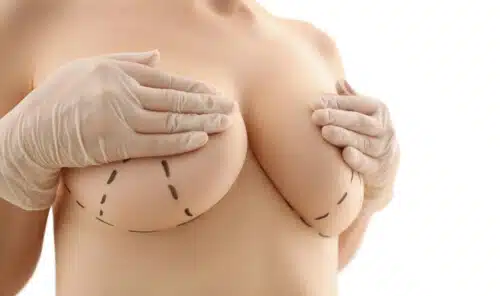
Breast reduction surgery is a procedure designed to reduce breast volume. While the loss of volume in the breasts systematically leads to a loss of weight (the breast fat removed), many patients also wonder what impact this operation will have on their overall weight and figure.

Find out whether breast reduction results in significant weight loss, and what the short- and long-term effects of this procedure are on the body.


BEFORE THE OPERATION: IS IT NECESSARY TO LOSE WEIGHT BEFORE A BREAST REDUCTION?


BREAST REDUCTION AND IMC: IS THERE A RECOMMENDED WEIGHT BEFORE THE OPERATION?


Plastic surgeons often recommend stabilizing your weight before breast reduction. In fact, too high a BMI can increase post-operative risks, particularly those associated with scarring and infection.

BMI and patient weight are selection factors for many surgeons:

  • In Saudi Arabia, 74 % of surgeons refuse patients whose BMI exceeds 30 kg/m2.
  • In Great Britain and Ireland, 69 % of practitioners use BMI as a selection criterion, without giving an exact threshold.
  • In Canada, 54.3 % of surgeons insist on the «ideal weight» to be achieved before surgery, without giving details of the «ideal weight».

When weight is high, it is often a source of complications. According to one study*, patients with a BMI over 30 kg/m2 are 4.86 times more likely to have complications than non-obese patients, including a higher risk of scar disunion and infection.

In 2017, 30.7 % of post-operative complications occurred in obese patients. Conversely, no post-operative complications were observed in patients with a BMI between 18 and 25 kg/m2. This study shows that from the overweight stage onwards (BMI ≥ 25 kg/m2), the risk of complications is increased.

Nevertheless, several studies have shown a positive correlation between obesity and the benefits of breast reduction: improved pulmonary function, quality of life and psychosocial status. Breast reduction also has a favourable effect on post-operative weight loss. Several hypotheses may explain this post-operative weight loss: the desire to harmonize the new silhouette and the recent possibility of practising a sporting activity.

* Reduction mammoplasty Analysis of practices among French plastic surgeons in 2024 by Marie Léger


INFLUENCE OF EXCESS WEIGHT ON FINAL RESULTS


Weight loss after surgery can alter the aesthetic result by causing the skin to sag. For this reason, it is preferable for overweight and obese patients to lose weight before the operation.

On the other hand, overweight and obese patients require greater tissue excision for optimal relief. Indeed, the likelihood of these patients losing weight following the procedure is high. In fact, insufficient skin removal could lead to an unsatisfactory result: breast ptosis (sagging breasts) or breasts that are still too large.

What's more, performing a breast lift after mastopexy is more risky. Resection of breast tissue can damage vascular tissue, complicating any subsequent healing.


IS IT NECESSARY TO LOSE WEIGHT BEFORE A BREAST REDUCTION?


While weight plays a role in the durability of the result, each case must be assessed on its own merits. Some patients have large breasts but are not overweight. In this case, weight loss is not necessary.

A pre-operative consultation with your surgeon will determine the best strategy to follow.


BREAST REDUCTION AND WEIGHT LOSS: WHAT TO EXPECT?


DOES BREAST REDUCTION RESULT IN OVERALL WEIGHT LOSS?


Removal of breast tissue results in immediate weight loss, which varies according to the volume removed. On average, breast reduction removes between 300 g and 1.5 kg of fat and tissue per breast, for a total of 600 g to 3 kg.

This surgery also brings physical and psychological well-being, encouraging a healthier lifestyle. Operated patients no longer suffer from back pain, and the physical limitations caused by large breasts diminish after the operation. As a result, they tend to return to sport and exercise more.


RETIRED WEIGHT VS. IMPACT ON FIGURE


Although the weight reduction is modest, the visual effect before after breast reduction can be significant. Smaller breasts give the impression of a more harmonious, slimmer silhouette.

Beyond the physical removal of breast tissue, the operation often improves posture and back alignment. There is an overall feeling of reduced body weight. Patients feel lighter and more comfortable in their bodies.

Removing volume from the breasts therefore gives an overall impression of weight loss, both visually and in terms of physical sensation.


LINK BETWEEN BREAST REDUCTION AND METABOLISM


There is no scientific evidence that breast reduction directly alters metabolism. However, a reduction in breast volume may encourage greater mobility and, consequently, greater physical activity.


SOME PATIENTS LOSE WEIGHT MORE EASILY AFTERWARDS: MYTH OR REALITY?


Many patients report that they find it easier to lose weight after surgery. This can be explained by greater ease of physical activity and improved psychological well-being, which in turn lead to more daily activities.


HOW DOES THE BODY REACT AFTER A BREAST REDUCTION IN TERMS OF WEIGHT AND SHAPE?


WHY DO SOME PATIENTS GAIN WEIGHT AFTER BREAST REDUCTION?


In some cases, convalescence temporarily limits physical activity, which can lead to weight gain if diet is not adjusted during this period.

To avoid gaining weight after mastopexy, you can seek advice from your surgeon or a nutritionist.


WEIGHT GAIN OR LOSS: THE ROLE OF DIET AND POST-OPERATIVE LIFESTYLE


A balanced diet and a gradual return to exercise are essential to maintain a stable weight after surgery.

If you want to preserve the results of your breast reduction over the long term, it's essential to maintain a balanced diet and appropriate exercise. You can start by walking during the recovery period. Once the post-operative period is over, you can begin more intense sporting activity: running, swimming, cycling...


BREAST REDUCTION AND LONG-TERM WEIGHT LOSS


IMPACT ON PHYSICAL ACTIVITY


Reduced breast volume facilitates activities such as running, yoga and weight training. Removing volume from the breasts enables patients to run and jump without pain. The weight of the breasts is greatly reduced, and they no longer weigh down the skin of the chest. It's for these reasons, in part, that breast reduction is partially reimbursed by the CPAM.


HOW TO OPTIMIZE WEIGHT LOSS AFTER SURGERY?


Diet plays a vital role in any weight-loss program. We recommend meals based on vegetables, legumes, lean meat and vegetable oils.

You should avoid processed foods, foods containing refined sugar, sweet drinks and fatty foods (cheeses, fatty meats, oily fish, etc.).

Of course, physical activity is also a significant factor in weight loss. So which exercises are best for losing weight after mastopexy? You can take part in activities such as swimming, walking, Pilates, cycling, running or weight training. Of course, you can also practice another sport if you prefer!

Progressive post-operative exercise program :

  • 4-6 weeks - gentle activities: walking, yoga, cycling
  • 2-3 months - gradual intensification: running, swimming, weight training.


Although breast reduction can indirectly promote weight loss through improved mobility and comfort, it should not be seen as a solution to weight loss. An approach combining surgery, physical activity and a balanced diet is the best strategy for optimizing long-term results.


SCIENTIFIC STUDIES


Studies show that the majority of patients report an improvement in their quality of life and a greater willingness to engage in physical activity.

Monitoring postoperative weight changes following breast reduction surgery

Bilateral reduction mastoplasty and obesity: what is the ideal resection weight to achieve significant improvement in spinal pain based on body mass index? - 2020

Your Questions

FREQUENTLY ASKED QUESTIONS ABOUT BREAST REDUCTION

HOW TO LOSE BELLY FAT AFTER A BREAST REDUCTION?

more less

To lose belly fat after mastopexy, you need to follow a balanced diet and practice targeted exercises. You can, for example, do sit-ups, crunches, static hold with arms outstretched, lateral gainage and the plank.

DOES A BREAST REDUCTION MAKE YOU LOOK SLIMMER?

more less

Yes, breast reduction surgery harmonizes the silhouette and makes you look slimmer by reducing the prominence of the breasts.

CAN I REDUCE BY 4 CUP SIZES WITH A BREAST REDUCTION?

more less

Yes, it is possible to remove 4 cup sizes with a breast reduction. The surgeon will help you determine how much breast volume to remove based on your morphology and the size of your breasts.

WILL BREAST SIZE DECREASE WITH WEIGHT LOSS?

more less

Yes, but breast reduction offers a more targeted remodelling. However, if you lose a lot of weight after mastopexy, your breasts may lose volume again. This can lead to breast sagging (a breast ptosis) and require further surgery to remove the excess skin: a breast lift.

What did you think of this article?

Rate it !

Average Rating 5 / 5. Number of Votes 4

No votes yet, be the first to rate this article.

Dr. Jérémy Djian
Dr. Jérémy Djian

Dr Jérémy Djian is a plastic surgeon based at 5 square Thiers, near the Victor Hugo roundabout, in the 16th arrondissement of Paris.

He trained in Paris and remains attached to the hospital in the prestigious department of Pr Laurent Lantieri.


Going further
THESE ITEMS CAN
IN THESE SECTIONS
Your Questions
ASK YOUR QUESTIONS
TO DR. DJIAN