

fb BMI and abdominoplasty: ideal index before surgery?
Dr Jérémy Djian, 5 Square Thiers , 75016
menu close
Appointment appointment

Surgery

BMI and tummy tucks: what is the ideal index for this abdominal surgery?

published on 09.03.2025 by Dr. Djian
<noscript><img width=
Summary
  • WHAT IMC FOR ABDOMINOPLASTY?
  • WHAT IS BMI (BODY MASS INDEX)?
  • WHAT WEIGHT SHOULD I PUT ON BEFORE TUMMY TUCK SURGERY?
  • HOW TO CALCULATE YOUR IMC?
  • WHAT IS THE IDEAL IMC FOR ABDOMINOPLASTY?
  • WHY IS IMC A DECISIVE CRITERION BEFORE ABDOMINAL DERMOLIPECTOMY?
  • WHAT METHODS CAN BE USED TO REDUCE IMC BEFORE SURGERY?
  • IS ABDOMINOPLASTY POSSIBLE WITH A HIGH IMC?
  • WHICH SURGEON TO CHOOSE FOR A TUMMY TUCK WITH A HIGH IMC?
In short
  • Abdominoplasty aims to remove excess skin from the abdomen, and a Ideal BMI is between 18.5 and 25, intervention is generally possible up to BMI 30 if weight is stable.
  • BMI is calculated using the formula BMI = weight (kg) / height² (m) and classify body shape (thin, normal, overweight, obese), which guides the surgical decision.
  • A BMI too high clearly increases the risks (anesthesia, infections, poor healing, phlebitis, cardiac complications) and can degrade the aesthetic result. nutritional deficiencies.
  • To reduce BMI before a tummy tuck, we rely on a food rebalancing, a regular physical activity, possibly a medical nutritional follow-up, and for severe obesity, a bariatric surgery (sleeve, bypass, etc.).
  • Abdominoplasty with a BMI ≥ 30 is only considered on a case-by-case basis, after weight loss and stabilization; it can be partially covered by Social Security in case of abdominal apron after massive weight loss or bariatric surgery.

Abdominoplasty is a surgical operation which aims to remove a excess skin on the stomach. This operation offers excellent results. However, before taking the plunge, a number of criteria need to be taken into account, including Body Mass Index (BMI). Indeed, this parameter plays a crucial role in assessing eligibility for surgery and in obtaining optimal results.

Discover the’importance of BMI for abdominoplasty, how to calculate it, what is the ideal BMI before a tummy tuck, the risks associated with a BMI that is too high or too low, and the various solutions for reducing your BMI before surgery. We'll also look at abdominoplasty for overweight people.


WHAT IMC FOR ABDOMINOPLASTY?


Abdominoplasty, or tummy tuck, is a cosmetic surgery to remove excess skin from the abdomen. This excess skin may be the result of pregnancy or significant weight loss.

Before carrying out this operation, it is essential to take into account the patient's Body Mass Index (BMI). Whether you are considering a abdominoplasty after weight loss or post-pregnancy, it's important to answer two questions: «What is the ideal BMI for abdominoplasty?» and «Is it possible to undergo surgery with a high BMI?».

Aesthetic surgeons generally recommend having a BMI under 30 before abdominoplasty. However, some patients with a BMI between 30 and 35 may be eligible, under certain conditions. On the other hand, it is necessary to maintain a stable weight before and after surgery to optimize results.


WHAT IS BMI (BODY MASS INDEX)?


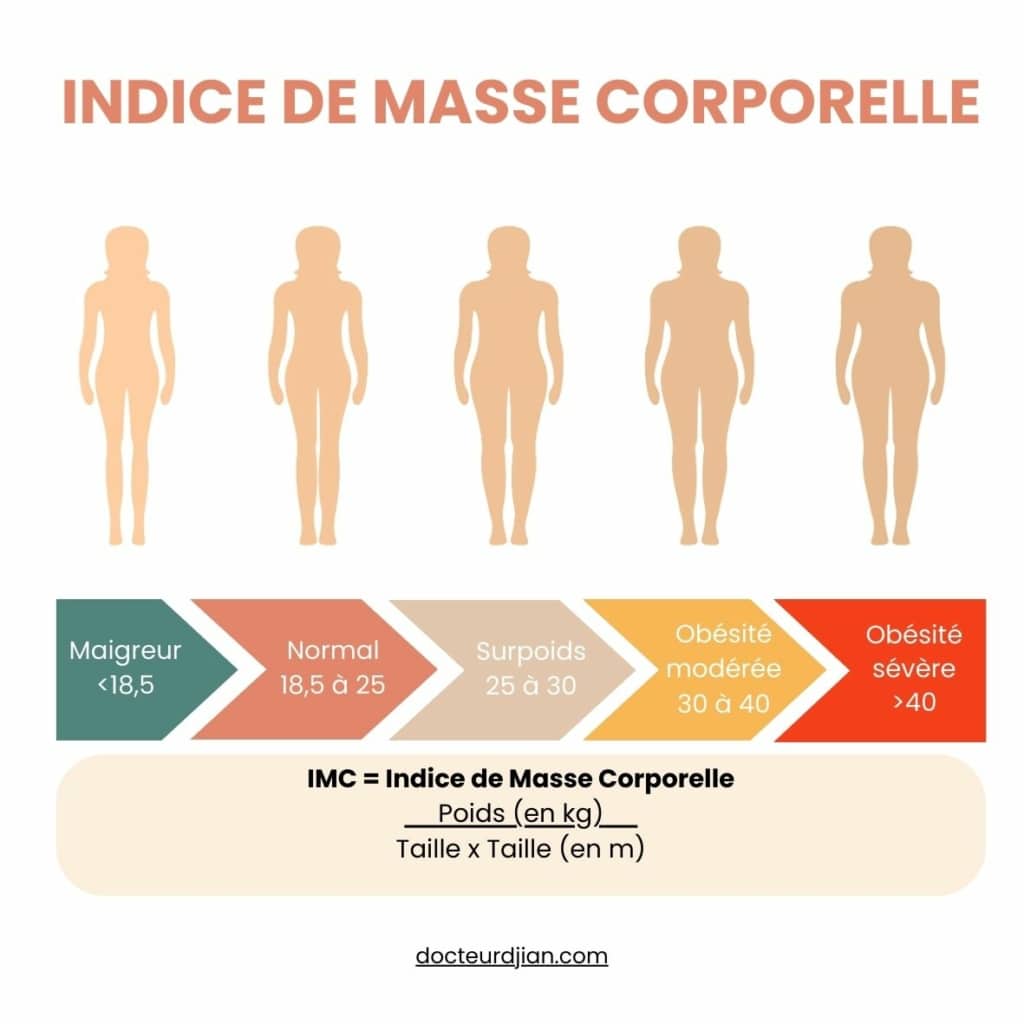
BMI stands for Body Mass Index., sometimes called BMI (Body Mass Index) in English. It's a measure of a person's stoutness, based on weight and height.

The BMI categories are as follows:

  • Less than 18.5: underweight (thinness)
  • Between 18.5 and 24.9: normal build
  • Between 25 and 29.9: overweight
  • 30 and over: obesity (moderate, severe or morbid).

BMI calculation


WHAT WEIGHT SHOULD I PUT ON BEFORE TUMMY TUCK SURGERY?


What is the minimum BMI for a tummy tuck? Abdominoplasty can be considered as soon as the patient's BMI is below 30. In terms of maximum weight, for example, for a person of :

  • 1m50 : 67 kg
  • 1m60 : 77 kg
  • 1m70 : 85 kg
  • 1m80 : 97 kg
  • 1m90 : 108 kg

There's no real minimum weight for abdominoplasty. The patient must be in good health and have a stable weight during the period preceding the procedure.


HOW TO CALCULATE YOUR IMC?


Calculating BMI is simple: take your weight in kilograms and divide it by your height (in meters) squared.

It is calculated as follows BMI = weight (kg) / [height (m) x height (m)].

Examples of BMI calculations before abdominoplasty

For a person 1m60 tall and weighing 90 kilos :
BMI = 90 / (1.60 x 1.60) = 35.15 (obesity category).> This person has a BMI too high for abdominoplasty.For a 1m70 tall person weighing 75 kg :
BMI = 75 / (1.70 x 1.70) = 25.95 (overweight category)

> This person has an ideal BMI for abdominoplasty.


WHAT IS THE IDEAL IMC FOR ABDOMINOPLASTY?


For tummy tucks, as for any other surgical procedure cosmetic surgery, body mass index is of great importance.

According to a study available on the National Library of Medicine, The ideal BMI for abdominoplasty is between 18.5 and 25, but a patient with a BMI of up to 30 may be eligible. Patients with a BMI over 30 should consider weight loss prior to surgery.


WHY IS IMC A DECISIVE CRITERION BEFORE ABDOMINAL DERMOLIPECTOMY?


How does BMI affect the possibility of undergoing tummy tuck surgery?


A BMI that is too high could affect the overall safety of the surgical procedure, as well as post-operative results. Indeed, a high BMI implies different things:

  • Your immunity is weakened. Having a lower BMI helps reduce risks and heal better after a tummy tuck.
  • The higher the BMI, the higher the physiological inflammation levels and the lower the immune responses. Obesity and severe overweight are often synonymous with chronic inflammation, which can affect your safety during and after surgery.
  • A healthy BMI improves the longevity and aesthetics of post-operative results.
  • A healthy BMI improves recovery, results and the overall abdominoplasty experience.
  • The lower the BMI, the greater the amount of skin that can be removed.


While having a healthy BMI improves the experience and results of a tummy tuck, it won't necessarily guarantee good results, and it doesn't eliminate all risks. Indeed, all surgery involves risks, whatever the BMI of the person being operated on.

In fact, in terms of eligibility, there are other requirements for abdominoplasty, We'll take into account your specific needs, including your age, your general state of health, your expectations and the current condition of your skin. Your plastic surgeon will give you more information about the risks associated with the procedure during the pre-operative consultation.


Obesity and abdominoplasty: what are the risks of having a BMI that's too high or too low before surgery?


BMI too high :


  • Risks of anesthetic complications.
  • Risk of abdominal fluid build-up.
  • Risk of cardiovascular complications: blood clots, excessive blood loss, phlebitis.
  • Increased risk of post-operative pain.
  • Increased risk of infection.
  • Increased risk of poor healing (scarring complications): wound separation.
  • An unhealthy BMI generally implies fluid retention, swelling and bruising following surgery.


BMI too low :


A BMI that is too low before abdominoplasty involves fewer risks than one that is too high. The main risk is that of nutritional deficiencies that can affect recovery after surgery.


Good to know:
People with a high BMI often have other health problems: heart disease, cardiovascular problems, diabetes, joint concerns... These pathologies can increase the risk of complications during and after surgery.
Safety is your surgeon's primary objective, and the one that determines your eligibility for treatment.


How does BMI affect post-operative results?


A high BMI can reduce the quality of results due to excess internal fat and potential poor healing.


Excess internal fat :


People with a high BMI are likely to have a new weight loss after abdominoplasty. As a result, the skin will loosen again, which could mean a secondary abdominoplasty. However, the body is often less able to tolerate a second operation on the same area.


Scar complications :


People with a high BMI are much more likely to encounter healing complications after abdominoplasty, including: surgical site infection, delayed healing, wound rupture and ventration.

In the vast majority of cases, the greater a person's weight, the slower the healing process. As a result, the scar tends to be less aesthetically pleasing and to form a keloid scar, i.e. a scar that extends beyond the initial area of injury, is thick, raised and can cause pain. What's more, the longer it takes to heal, the greater the risk of infection.

Discover the before/after abdominoplasty photos practiced by Dr Djian.


WHAT METHODS CAN BE USED TO REDUCE IMC BEFORE SURGERY?


Is your BMI too high to benefit from a tummy tuck?


How do you adapt your diet and lifestyle before surgery?


Eat a balanced diet rich in fibre and protein:


A balanced diet helps you lose weight while preserving muscle mass. Here are a few keys:

  • Increase protein intake Protein: proteins promote satiety, limit muscle loss and stimulate metabolism. Sources: eggs, tofu, legumes, lean meat, fish.
  • Eat fiber Fiber: aids digestion, regulates blood sugar and reduces cravings. Sources: vegetables, fruit, wholegrain cereals, legumes.
  • Limit sugars and ultra-processed foods For example, avoid sodas, industrial pastries and ready-made meals, which encourage fat storage. Avoid fast food and restaurants and try to prepare your own food.
  • Favouring good fats They promote cardiovascular health and satiety. Sources: vegetable oils (olive, rapeseed, sunflower, linseed, etc.), avocado, nuts, oily fish.
  • Drink enough water Good hydration promotes drainage and digestion.


Regular physical activity:


Physical exercise is an essential ally in reducing BMI before a pregnancy. surgical operation. It burns calories, improves blood circulation and preserves muscle mass.

Recommended activities :

  • Cardio (brisk walking, swimming, cycling, running): promotes weight loss and improves endurance.
  • Bodybuilding / reinforcement muscular Tones the body and prevents muscle loss associated with weight loss.
  • Yoga or Pilates Improves posture and reduces stress, which can be a factor in weight gain.

The ideal is at least 150 minutes of moderate activity a week, combining cardio and muscle strengthening.


Specific diets or programs to reduce BMI before abdominoplasty


Certain programs supervised by nutritionists or doctors can help you lose weight before surgery. To lose weight effectively before surgery, certain supervised approaches can be implemented:


Customized programs by nutritionists or physicians


Health professionals can suggest dietary plans tailored to individual needs, taking into account medical history and goals:

  • Controlled low-calorie diet
  • Low-carb diet (low carb, ketogenic under supervision)
  • Progressive food rebalancing
  • Diet coaching with follow-up


Alternative medical methods


In some cases, a doctor may prescribe medication to aid weight loss, but this is restricted to severely overweight patients. Similarly, bariatric surgery may be considered.


Bariatric surgery: a solution for high BMIs


If the BMI is very high (over 35-40) and weight loss is difficult, bariatric surgery may be considered before abdominoplasty.

The main interventions :

  • Gastric bypass Bypassing part of the stomach and intestine to modify nutrient absorption.
  • Sleeve gastrectomy surgery that reduces the size of the stomach to limit caloric intake.
  • Agastric flap A ring is placed around the stomach to temporarily reduce its volume.

These procedures are recommended for patients suffering from severe obesity. They require rigorous medical follow-up.

Consult the procedures performed by Dr. Djian after weight loss.


IS ABDOMINOPLASTY POSSIBLE WITH A HIGH IMC?


What should I do if my BMI is 30 or over?


In the case of a BMI over 30, weight loss is often recommended prior to surgery. The doctor will then recommend a diet before abdominoplasty. In some cases, bariatric surgery may be considered before abdominoplasty if dieting has not proved successful.


Should I lose weight before or after abdominoplasty?


It's best to reach a stable weight before abdominoplasty. Achieving a weight closer to the ideal before surgery optimizes results, ensures a safer operation and avoids weight loss later on, which could lead to the need for further surgery.


WHICH SURGEON TO CHOOSE FOR A TUMMY TUCK WITH A HIGH IMC?


Cosmetic surgery specialist Dr. Jeremy Djian can assess your situation and advise you on the best options. In some cases, Dr. Djian has already performed a abdominoplasty for high BMI on patients with an adequate state of health.


Your Questions

FREQUENTLY ASKED QUESTIONS ABOUT IMC AND ABDOMINOPLASTY

What BMI for a flat stomach?

more less

A BMI between 18 and 25 is generally sufficient for a flat stomach.

Which operation for a BMI of 30?

more less

Abdominoplasty may be possible if weight is stable. Alternatively, bariatric surgery may be an option for weight loss prior to abdominoplasty.

Can I lose weight with an abdominoplasty?

more less

Abdominoplasty removes excess skin, but is not a weight-loss solution.

What diet to follow before abdominoplasty?

more less

A balanced diet low in sugars and saturated fats is recommended.

What other factors, in addition to BMI, are taken into account for abdominoplasty?

more less

General health, skin quality and weight stability are also decisive factors.

What are the risks associated with a high BMI for abdominoplasty?

more less

Anesthetic complications, infections, poor healing, cardiovascular problems.

When is abdominoplasty covered by Social Security or insurance?

more less

If it follows bariatric surgery or massive weight loss with an abdominal apron, abdominoplasty may be partially covered by Social Security and complementary health insurance.

What did you think of this article?

Rate it !

Average Rating 5 / 5. Number of Votes 7

No votes yet, be the first to rate this article.

Dr. Jérémy Djian
Dr. Jérémy Djian

Dr Jérémy Djian is a plastic surgeon based at 5 square Thiers, near the Victor Hugo roundabout, in the 16th arrondissement of Paris.

He trained in Paris and remains attached to the hospital in the prestigious department of Pr Laurent Lantieri.


Going further
THESE ITEMS CAN
IN THESE SECTIONS
Your Questions
ASK YOUR QUESTIONS
TO DR. DJIAN