


BODYLIFT IN PARIS
After weight loss skin does not always retract. Body lift, also known as dermolipectomy or circular lipectomy, is a reconstructive and aesthetic plastic surgery procedure designed to correct excess skin and fat in the abdominal belt, lower back and buttocks. Dr Jérémy Djian, plastic surgeon in Paris, performs this procedure on slimmed-down patients to improve their figure, comfort and self-confidence.
- The bodylift (or circular dermolipectomy) corrects the excess skin of the belly, and buttocks and thighs after a great weight loss.
- The intervention combines a abdominoplasty and a buttock lift, The result is a 360° reshaping of the silhouette and tightening of the skin.
- Produced under general anesthesia, it lasts 3 to 4 hours and leaves a circular scar concealed in the panties.
- Hospitalization lasts 2 to 4 days, with approximately 3 weeks' convalescence without a full sitting position.
- Result: harmonized silhouette, The result is a smoother, smoother ride, a lifted buttocks and a flat stomach, with lasting improvements in comfort and posture.
WHAT IS A BODY LIFT?
MEDICAL DEFINITION OF THE LOWER BODY LIFT
The bodylift, (also known as body lift or circular lipectomy), is body contouring surgery. The plastic surgeon removes a wide band of skin around the abdomen, lower back, buttocks and outer thighs.
It then tightens the skin to 360° body contouring.
It is a combined surgery: circular abdominoplasty + buttock lift. Le lower body lift treats excess skin on the abdominal girdle, saddlebags, sagging buttocks and lateral thighs.
In case of persistent grease, It can also be removed during the same procedure to restore a harmonious silhouette.
This operation is intended for patients who have lost a great deal of weight and whose skin can no longer tighten on its own.
BODY LIFT VS ABDOMINOPLASTY AND LIPOSUCTION: WHAT BODY LIFT DOESN'T DO
The body lift is not a simple liposuction. Indeed, the liposuction mainly removes fat. If the skin is very distended, it remains flaccid after fat suction, and excess skin often persists.
Nor is it a isolated abdominoplasty. Abdominoplasty mainly corrects the tummy. It does not treat the lower back, saddlebags and sagging buttocks.
The body lift acts circumferentially. It combines abdominal dermolipectomy, buttock lift and tightening of the abdominal belt.
It is considered when local surgeries are no longer sufficient to correct overall skin excess.
WHO SHOULD UNDERGO A BODY LIFT?
PATIENTS AFTER MASSIVE WEIGHT LOSS OR BARIATRIC SURGERY (SLEEVE, BYPASS)
The body lift is reserved for patients with significant weight loss. Often after a loss of several tens of kilos, after a bariatric surgery (sleeve, bypass, gastric band) or after a long diet.
The weight is stabilized, but the skin hangs in excess all around the body.
The patients concerned frequently present :
- an abdominal apron covering the pubis,
- a fall of the buttocks,
- a fall on the side of the thighs,
- persistent saddlebags.
You've done «a lot of work» on your weight, but your body isn't keeping up. You want to finish working on your figure.
A consultation with Dr. Djian in Paris will determine whether a body lift is right for you.
SAGGING AND EXCESS SKIN: SELECTION CRITERIA
During the consultation, the plastic surgeon performs a precise assessment.
It checks and analyzes :
- weight stability,
- BMI
- general level of health.
- skin quality,
- the amount of excess skin and fat,
- distribution across the stomach, lower back, buttocks and lateral thighs.
- discomfort: maceration in the folds, limited movement, difficulty dressing, persistent shame despite weight loss.
The aim is twofold: to confirm that body lift is indicated and to ensure that the patient can withstand this combined surgery.
WHY DO A BODY LIFT AFTER MAJOR WEIGHT LOSS?
AESTHETIC AND FUNCTIONAL OBJECTIVES
The body lift removes excess skin from the abdominal belt and lifts the buttocks. It reshapes the waist, smoothes the lower back, and corrects the abdominal apron and saddlebags. The silhouette gains in harmony and proportion.
Functionally, circular dermolipectomy reduces friction, maceration and irritation in the folds.
Clothes fit better. Shirts become easier to wear. Comfort and mobility often improve.
The body lift allows you to live more comfortably with your body after massive weight loss.
PSYCHOLOGICAL IMPACT OF A BODY LIFT AFTER MASSIVE WEIGHT LOSS
After significant weight loss, the number on the scale has changed. The look, however, still hesitates.
The belly is slimmer, but the back tells a different story. From the front, the body appears corrected. In profile or from the back, it still betrays the old volume. The skin falls away, folds back, a constant reminder of what we thought we'd left behind.
This discrepancy creates silent fatigue. A persistent discomfort. Some people avoid mirrors, changing rooms and even intimacy, not out of coquetry, but because their bodies don't reflect the effort they've put in. The transformation is real, but incomplete. And this inconsistency wears.
A body lift doesn't erase the past or promise an idealized body. It provides a honest and comprehensive correction of excess skin. It often enables an essential thing to happen: the body stops contradicting the path it has already travelled, and finally rediscovers continuity with the transformation it has undergone.
HOW A BODY LIFT WORKS: CONSULTATION, OPERATION, HOSPITALIZATION
PRE-OPERATIVE CONSULTATION BEFORE A BODY LIFT
First consultation :
It is used to assess the after-effects of weight loss. The surgeon examines the abdomen, back, buttocks, thighs, arms and breasts.
He checks that the weight has stabilized and is compatible with the procedure.
In case of abdominal apron, the surgeon can request a prior agreement to cover the costs. A quote is drawn up, including surgical and anesthesia fees.
Second consultation :
- pre-op photos
- validation of treated areas
- answers to last questions
- intervention programming
After bariatric surgery, a nutritional assessment may be recommended to limit risks and optimize healing.
ESSENTIAL PRE-OP INSTRUCTIONS
- complete cessation of smoking 1 month before and 1 to 2 weeks after the procedure
- individual adaptation of contraception according to thrombo-embolic risk
- suspension of anticoagulant treatment on medical advice
- early prescription of a panty-type support garment
STAGES OF THE BODY LIFT PROCEDURE
The intervention takes place under general anaesthetic.
Surgery lasts between 4 and 6 hours on average, depending on the extent of excess skin and the associated procedures.
The surgeon works on the entire perimeter of the abdominal belt. He removes excess skin from the abdomen, lower back, saddlebags and lateral thighs. He lifts the buttocks and tightens the skin on the stomach.
Complementary liposuction can be performed in cases of persistent excess fat.
Dr. Djian uses absorbable sutures and modern suturing techniques.
A Urgotouch-type laser treatment can be proposed to optimize healing.
At the end of the procedure, a compression bandage is applied. It is removed the following day.
LENGTH OF HOSPITAL STAY AND RETURN HOME
After a body lift, hospitalization generally lasts 2 to 6 days. We monitor pain, dressings, venous circulation and blood pressure. Pain is usually controlled with simple analgesics.
Early, gentle mobilization. Walking early reduces the risk of phlebitis.
The return home needs to be organized: help with everyday tasks, nursing care for dressings, compliance with instructions.
It is essential to limit certain positions that exert pressure on the scar the first few weeks. It may be advisable to avoid sit at 90° for 3 weeks, to avoid opening the scar on the buttocks.
From check-ups scheduled at 1 week, 1 month, 3 months and 6 months. Close follow-up at Dr. Djian's practice ensures a safe recovery.
POST-OPERATIVE RECOVERY AND CONVALESCENCE AFTER A BODY LIFT
POST-OPERATIVE PAIN, SWELLING AND DISCOMFORT
The after-effects of a body lift are logically marked, but supervised.
- The pain is real for the first few days, It can be intense, especially when changing position. It is anticipated and managed with painkillers.
- Swelling is normal. Bruising may appear. The skin is taut, sometimes numb. Fatigue is common, especially after a long period of weight loss.
- Skin closure progresses in a few weeks, but the scar matures over 12-18 months.
Any unusual pain, severe redness, fever or discharge should be reported to the surgeon.
GIRDLE WEAR AND POST-OPERATIVE CARE
A compression girdle or panty is worn after the operation. It maintains the abdominal wall, supports the circular scar and limits swelling. It is usually worn day and night for several weeks, as recommended by the surgeon.
Dressings are checked and renewed, often by a nurse. Scars must be kept clean and dry.
No bathing/pooling for 1 month.
Avoid the sun on recent scars for 1 year.
Smoking must be stopped, as it greatly increases the risk of disunion and skin necrosis.
In case of doubt, the firm should be contacted promptly.
RETURNING TO WORK AND SPORT AFTER A BODY LIFT
Returning to work depends on the job:
- For sedentary work, you need to allow several weeks' downtime.
- For physical work, it takes longer.
Gradual return to sport after several weeks, depending on progress and surgeon's advice First, gentle walking. Then, with the surgeon's agreement, more sustained efforts. Impact sports and intense abdominal work come later, to avoid weakening the circular scar.
The aim is to protect the result and secure the skin's return to normal tension.
SCARS AFTER A BODY LIFT : LOCATION AND EVOLUTION
SCAR LOCATION AND SHAPE
The body lift scar is circular and low. It's hidden in the panties.
At the front, it passes over the pubis. It continues along the sides, in the hip area.
At the rear, it passes above the buttock line.
This position allows the scar to be concealed in the underwear or bikini line. Circular dermolipectomy also leaves a scar around the umbilicus, due to its transposition.
The navel is preserved and then re-implanted through the tightened skin via a new opening created by the surgeon.
The aim is to make the scars as inconspicuous as possible in relation to the transformation achieved.
EVOLUTION AND QUALITY OF SCARS OVER TIME
Body lift scars evolve over 12 to 18 months.
At first, they are red, sometimes a little thick. They can be itchy.
Over time, they become thinner and fainter.
Draining massages silicone dressings or Urgotouch laser treatment can be suggested to optimize the result.
The sun protection is essential.
Compliance with these instructions significantly improves the final appearance.
BODYLIFT RESULTS: BEFORE/AFTER, TIMESCALES AND FINAL RESULTS
IMMEDIATE VS. FINAL RESULTS
As soon as you wake up, your figure changes. The abdominal apron has disappeared. The buttocks are lifted. The lower back is less wrinkled.
But the body is swollen. The tissues are hard. The contour is not yet definitive.
The result becomes clearer as the weeks go by. Swelling diminishes. Skin recovers.
We're starting to get realistic vision around 3 to 6 months.
The final appearance of scars and silhouette is best judged by between 12 and 18 months.
Complementary procedures after a body lift
A body lift mainly treats the trunk (abdomen, hips, back, buttocks). Depending on the remaining areas, a course can be completed with :
- an arm lift (brachioplasty)
- inner thigh lift (cruroplasty)
- a breast lift
- liposuction targeted on a persistent area
These procedures are rarely “all in one”. Dr. Djian plans them in stages, according to your priorities, recovery and skin quality.
ADVANTAGES AND DISADVANTAGES OF THE BODY LIFT
| What the body lift can do for you | What you have to accept |
|---|---|
| Removal of hanging skin from the stomach, back, hips and buttocks | A lengthy operation |
| A lifted butt and a more even silhouette | Scar all around the lower body, permanent but hidden in underwear |
| A more cohesive body after major weight loss | Hospitalization lasting several days |
| Less chafing, maceration and discomfort on a daily basis | Gradual recovery, with a period of fatigue |
| Clothes that are easier to wear Better self-image, feeling of “end of the road” |
Possible medical risks, as with any surgery Results depend on weight stability and lifestyle |
| Aligning effort with visible body shape | Not a substitute for diet or a sustainable lifestyle |
RISKS AND COMPLICATIONS OF A BODY LIFT
Like any intervention of this scale, it entails risks, which are as follows anticipated and managed through rigorous patient selection and appropriate management.
Possible general risks :
- hematoma or bleeding
- infection
- phlebitis (blood clot)
- pulmonary embolism
These risks are reduced by :
- a complete pre-operative check-up
- history analysis (cardiac, respiratory, diabetes, bariatric surgery)
- the right preparation
- wearing compression stockings
- anticoagulant treatment if necessary
- early mobilization after surgery
Complications specific to the body lift :
- seroma (accumulation of lymph)
- partial scar opening
- localized cutaneous necrosis
- temporary sensitivity disorders
- residual asymmetries
In the majority of cases, these situations can be managed with local care, sometimes by puncture or surgical touch-up. Information is an integral part of the consultation, so that a fully informed decision can be taken.
PRICE OF A BODY LIFT IN PARIS: RATES, ESTIMATES AND REIMBURSEMENT
HOW MUCH DOES A BODY LIFT WITH DR DJIAN COST?
The cost of a body lift depends on the extent of excess skin, the operating time, the type of hospitalization and the associated procedures (liposuction, buttock reshaping, etc.).
| PROCEDURES | Cosmetic surgery incl. VAT | Reconstructive surgery incl. VAT |
|---|---|---|
| Bodylift in plastic surgery | Between 7000-9000 euros | 7,000 euros |
*Plastic surgery prices are given as an indication and are non-contractual. The first cosmetic surgery consultation at our office in the 16th arrondissement of Paris costs 100 euros.
For a personalized project, you can make an appointment at Dr. Djian's office in 16ᵉ.
IS THE BODY LIFT COVERED BY SOCIAL SECURITY?
Coverage is only possible that if the body lift is part of reconstructive surgery. This may be the case in the presence of major weight loss sequelae, often following bariatric surgery, with functional discomfort: maceration, repeated infections, limitation of movement.
The most commonly used CCAM reference is QBFA003 (total circular abdominal dermolipectomy), subject to prior agreement with the Medical Director.
AttentionCosmetic procedures are excluded from reimbursement. Even in the event of agreement, only CCAM procedures are reimbursed.
Additional fees, clinic charges and complementary services are the responsibility of the patient or his/her mutual insurance company.
MAKE AN APPOINTMENT FOR A BODY LIFT WITH DR DJIÁN IN PARIS
You've lost a lot of weight, but excess skin is still ruining your figure and your everyday comfort? A body lift requires specific expertise, rigorous planning and close follow-up.
Dr Jérémy Djian, plastic surgeon in Paris, In her consultation with each patient, she assesses indications, explains scars clearly and draws up an appropriate quote.
If this sounds like you, you can contact our secretariat for a no-obligation initial consultation, so that we can work together on the next steps in your transformation.
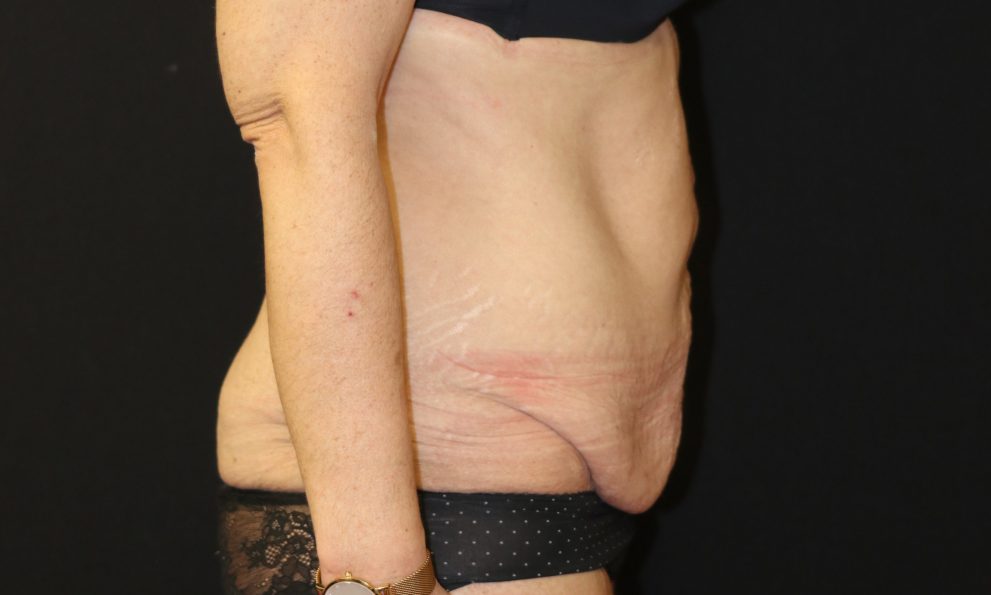
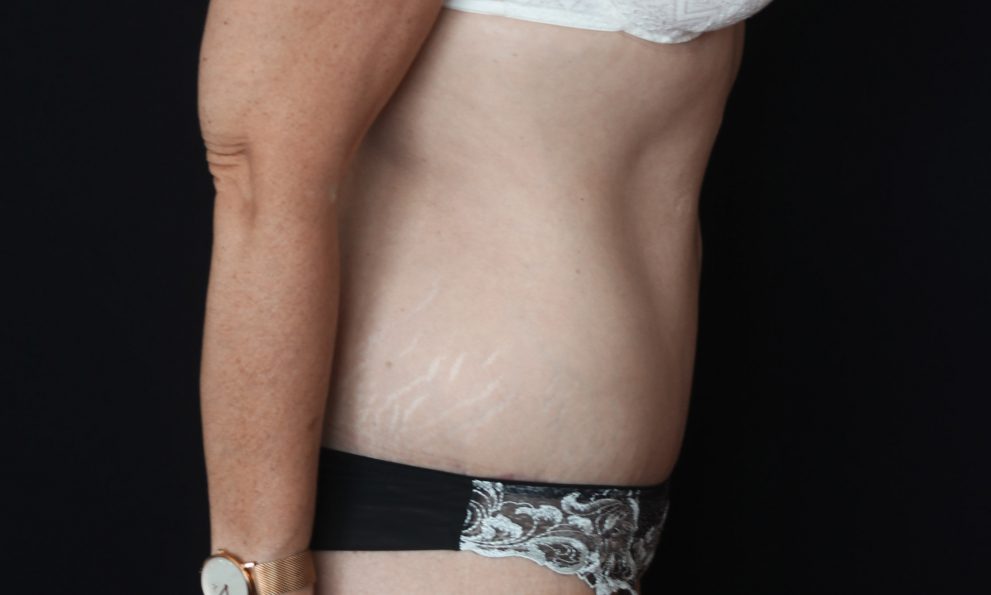

Bodylift
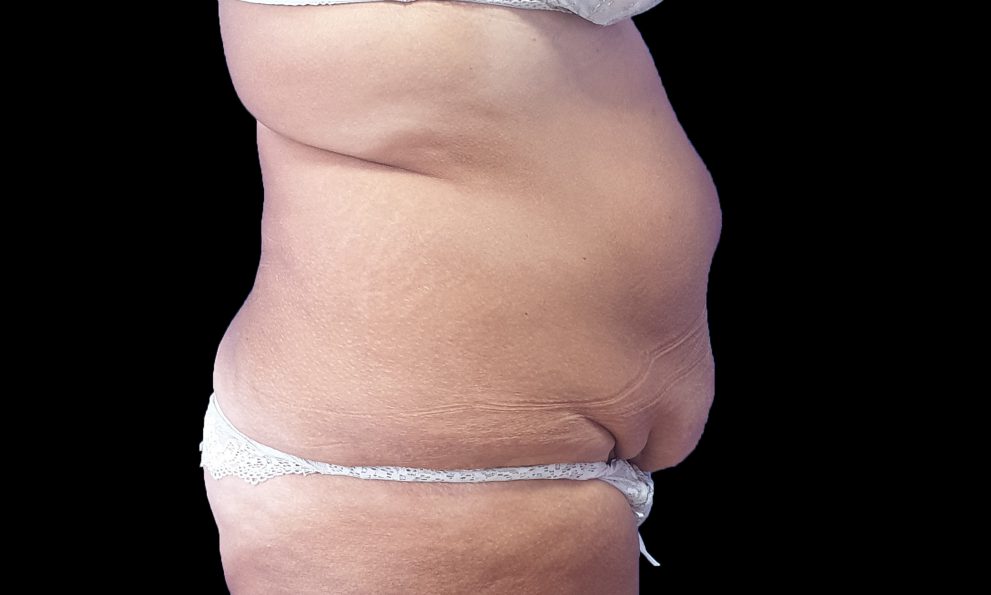
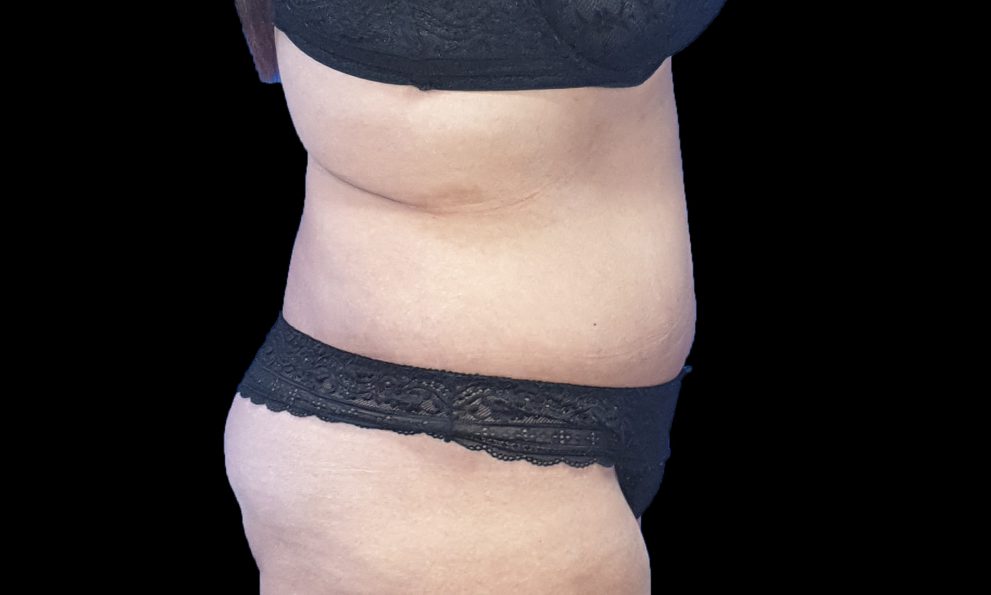
Body Lift (Circumferential Dermolipectomy)
Your Questions
Frequently Asked Questions in Consultation
What's the difference between dermolipectomy and abdominoplasty?


Dermolipectomy is limited to the removal of excess skin. Abdominoplasty goes further: it treats excess abdominal skin, tightens the muscles if necessary, and almost always involves reconstruction of the navel, with the aim of reshaping the whole abdomen.
Is a body lift possible without massive weight loss?
Yes, a body lift can be considered without massive weight loss if the sagging skin is circular and stable. It is then intended for patients with marked excess skin, often after moderate weight variations or pregnancies. Indication is based on skin quality, not on the number of kilos lost.
What can be done if the sagging is mainly posterior (buttocks, back)?
A posterior body lift or a targeted buttock and back lift is indicated when the sagging mainly concerns the buttocks and back. It is not always necessary to treat the entire abdominal belt. The choice depends on the exact location of the excess skin and the balance of the silhouette.
Is the body lift suitable for patients with borderline BMI?
Yes, a body lift can be performed on patients with a borderline BMI if their weight is stable and their general condition is compatible with lengthy surgery. The risk of surgery increases with BMI, which calls for rigorous selection. The objective remains functional and morphological, not weight loss.
Can you still lose weight after a body lift?
Yes, it is possible to lose weight after a body lift, but it is not desirable. Secondary weight loss can alter results by recreating skin sagging. The body lift should be performed once the weight has stabilized, ideally for several months.
Does the body lift age well over time?
Yes, a body lift ages well overall if weight remains stable and skin heals properly. Skin ageing continues, but the initial correction persists. Recurrence of sagging is mainly due to weight changes, pregnancy or smoking.
How does the scar evolve between 3 months and 2 years?
After a body lift, the scar is red and firm at 3 months, then gradually lightens and softens up to 18-24 months. Its development depends on skin tension, genetics and care.. A permanent scar never assessed before one year.
Is the body lift performed all at once or in stages?
The body lift is most often performed in a single operation, It can be divided into several stages, depending on the patient's condition. The duration of the operation, the BMI and the associated procedures guide this decision. Split reduces risks but lengthens the surgical procedure.
How soon can you stand up after a body lift?
We usually get up the very next day body lift, with help and precautions. Early mobilization is essential to reduce thromboembolic risks. Walking is progressive, limited and supervised, with no immediate full straightening, to reduce the risk of thromboembolism. protect sutures.
How long does it take to get back to normal?
Life returns to almost normal between 4 and 6 weeks after a body lift. Fatigue often lasts longer, and sporting activity can be postponed for at least 6 to 8 weeks. Recovery depends on the extent of the procedure, age and compliance with post-operative instructions.
Does a body lift make you lose weight?
No. A body lift is not a substitute for bariatric surgery or dieting. It is body contouring surgery. It removes excess skin and some fat, but its aim is to correct the after-effects of weight loss, not to induce further weight loss. Weight must be stabilized before surgery.
Can I have a body lift and breast surgery at the same time?
Sometimes, body lift and breast surgery can be combined. But this is not systematic. The longer the operation, the greater the risks.
Dr. Djian often favours a step-by-step approach: treating the abdominal belt first, then the chest, or vice versa. The choice depends on your general condition, your priorities and your tolerance for a longer convalescence. This is discussed in detail during the consultation.

Dr Jérémy Djian is a plastic surgeon based at 5 square Thiers, near the Victor Hugo roundabout, in the 16th arrondissement of Paris.
He trained in Paris and remains attached to the hospital in the prestigious department of Pr Laurent Lantieri.
YOU MAY BE INTERESTED
IN THESE SECTIONS

TO DR. DJIAN