

fb Mastopexy: 10 things to check before taking the plunge
Dr Jérémy Djian, 5 Square Thiers , 75016
menu close
Appointment appointment

Surgery

Mastopexy: 10 things you need to check (and that no one is telling you)

published on 24.11.2025 by Dr Djian
<noscript><img width=
Summary
  • THE 10 ESSENTIAL POINTS THAT CHANGE EVERYTHING BEFORE A MASTOPEXY
  • PREPARATION: ACTIONS THAT INFLUENCE RESULTS MORE THAN TECHNIQUE
  • RESULT: WHAT YOU'LL REALLY SEE ON DAYS 1, 30, 90 AND 365
  • MAKE AN INFORMED MASTOPEXY DECISION
In short
  • Mastopexy depends on the actual degree of ptosis, This is based on the patient's age, breast size, chest shape and an up-to-date breast check-up.
  • The skin quality (thick, thin, stretch marks, slack) weighs on earnings performance and the appearance of scars, more than before/after photos.
  • The procedure corrects a breast drooping at the cost of scars (areolar, vertical, inverted T) fading away but remain visible, sometimes improved by laser.
  • he result is compromised by smoking, weight yo-yo, unsuitable bra, subsequent pregnancy/breastfeeding, with risk of recurrence of ptosis and subsequent touch-up.
  • Decisions involve integrating limits, risks and overall costs, and discussing them frankly in consultation with a qualified plastic surgeon, not by scrolling through social networks.

Empty chest, sagging breasts after pregnancies, breastfeeding, weight changes... and the question that keeps coming up: “am I finally getting a mastopexy?”. The idea of lift the chest is seductive, but the scars, the anesthesia and the fear of failure quickly cool it down. Normal: a breast lift is not a filter, it's surgery that really changes the body.

Mastopexy is a breast surgery lifts the chest, The result: better-positioned breasts that are more consistent with your figure. The expected result: breasts that are better positioned and more consistent with your figure. Not a return to the breasts of 20 years ago, not a fixed result, not a “scar-free” result.

In fact, you exchange breast ptosis for scars and a new-found shaping effect. The result will depend on your skin, anatomy, weight, lifestyle and the risks inherent in any surgery.

The following 10 points will take you through all this before you embark on such an operation.


THE 10 ESSENTIAL POINTS THAT CHANGE EVERYTHING BEFORE A MASTOPEXY


1. THE TRUE DEGREE OF YOUR PTOSIS: THE FACTOR THAT DETERMINES THE ENTIRE SURGICAL STRATEGY


A good candidate presents a real breast ptosis the areola located under the groove under-mammary, visible sagging when standing, difficulty feeling comfortable without a bra.

The breast volume also counts: breast too heavy with hypertrophy, or on the contrary empty breast after pregnancy or significant weight loss.

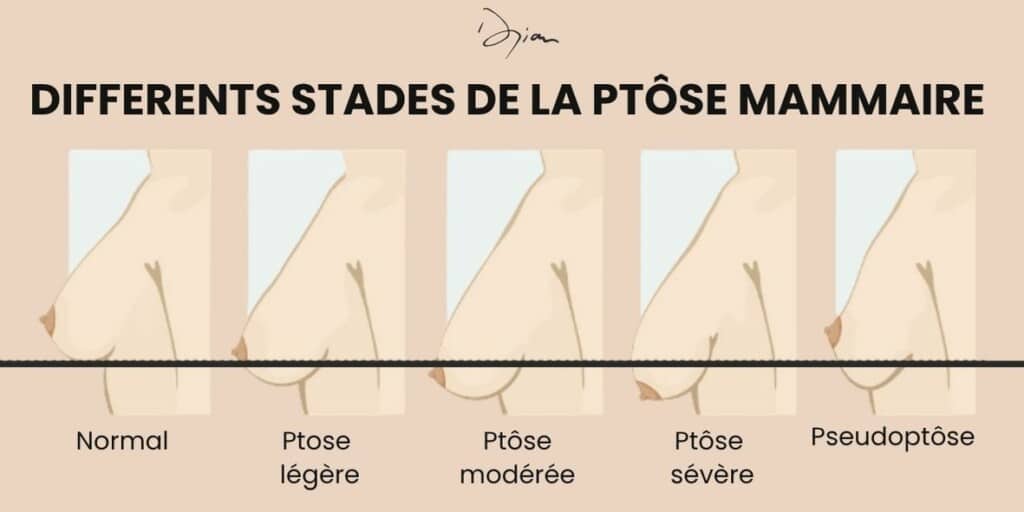
Ptosis is then classified into grades (mild, moderate, severe). depending on the position of the areola in relation to the submammary fold.


stages of breast ptosis


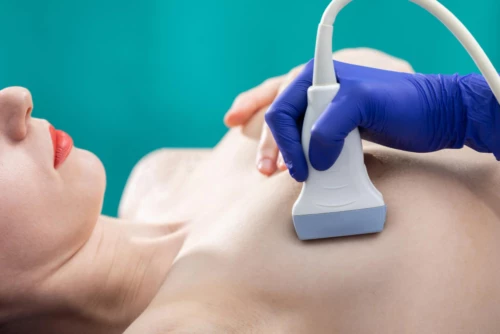
If the areola is barely level with the sulcus, a limited redraping with a peri-areolar scar may suffice. If the areola is far below the groove, mastopexy with a vertical or even anchor-shaped scar is often necessary. The degree of drop, This, combined with skin quality, stable weight and an up-to-date breast check-up (mammogram, ultrasound), determines the type of skin pattern, the amount of skin to be removed and the risk of touch-ups.


2. YOUR SKIN QUALITY: THE INDICATOR THAT PREDICTS YOUR SCARS AND HOW LONG THE RESULT WILL LAST


Young, thick skin that has been little affected by pregnancy, weight variations or the sun «retains» the breast better and ages more slowly. On the other hand, thin skin with stretch marks, sagging after significant weight loss or prolonged breastfeeding, has a greater tendency to age. less “attitude”. The same surgical procedure will not give the same result over time.

Skin quality also influences healing The risk of enlarged, red, hypertrophic scars or, on the contrary, fine, discreet scars. That's why your surgeon will talk to you about phototype, skin tension and the need for a support bra day and night after the operation. This reality must weigh more heavily in your decision than any retouched photo.


3. THE SHAPE OF YOUR THORAX: THE ASYMMETRY THAT SURGERY CANNOT ALWAYS CORRECT


Some women have a thorax discreetly asymmetrical The mastopexy procedure can also be applied to the chest: ribs slightly more prominent on one side, sternum slightly rotated, hollow or bulging. Mastopexy affects the breast, not the bone architecture. The surgeon can correct part of the breast asymmetry (volume, areola height, excess skin), but not transform a thorax into a funnel or carina. Ignoring this anatomical basis leads to the belief that “surgery will straighten everything out”.

The result is often an improvement, not perfect symmetry. The key is to anticipate what the operation can actually correct, and to have it clearly explained in the pre-operative consultation.


4. YOUR VOLUME OBJECTIVE: CONTOURING ALONE, IMPLANTS OR LIPOFILLING? MAKE THE RIGHT CHOICE


Mastopexy can :

  • or lift and tighten the breasts (breast plastic surgery with no noticeable change in volume),
  • or be associated with a breast augmentation by prosthesis if you want to increase the volume of your breasts,
  • or be completed by a breast lipofilling  for a more natural shape with the reinjection of your own fat.


If the breast is heavy and falling, a breast reduction may be necessary to lighten the breasts and limit the risk of further ptosis.

If the breast is “emptied”After pregnancy, for example, redraping alone can give too flat a result.

It's the consistency between your desire for volume and the chosen technique that determines satisfaction. Docteur Djian in Paris 16 can help you decide between these options, based on precise measurements and simulations adapted to your figure.


5. THE SCARS YOU WILL ACTUALLY HAVE: NOT THOSE IN RETOUCHED PHOTOS


In mastopexy, there are three main types of scars, The choice depends on the degree of ptosis and the excess skin to be removed:

  • periareolar (around the areola),
  • vertical (around areola + vertical to groove)
  • and in Inverted T(periareolar + vertical + horizontal in the submammary fold).


For the first few weeks, healing goes through a red, sometimes swollen phase, with dressings and a compression bra. The final scarring result is assessed after 12 to 18 months..

In some cases, a complementary laser treatment such as UrgoTouch can be suggested to help limit the risk of thick or excessively visible scars. And, in reality, a large majority of women find that the “balance sheet” is largely positive: once healing is advanced, they clearly prefer a fine, well-placed scar to a heavy, empty or sagging breast. Comfort in clothing, décolleté and image in the mirror are far more important than the whitened breast line.

Believing you'll have a “scar-free” breast lift is an illusion fostered by image filters. The real choice is to accept well-placed scars hidden in a bra in exchange for enhanced breasts., and rejuvenated appearance. Many women have gained tremendous confidence from this procedure.


6. YOUR LIFESTYLE: THE PARAMETER THAT CAN RUIN A GOOD RESULT (SPORT, WEIGHT, SMOKING)


Even a perfectly performed plastic surgery procedure can be thwarted by lifestyle.

  • Tobacco increases the risk of infection, skin necrosis and poor healing.
  • Repeated weight changes again distend the skin and recreate sagging.
  • Early impact sport or without a suitable bra increases mechanical stress on the breasts.


Before undergoing mastopexy, therefore, you need to: stabilize your weight, stop or greatly reduce smoking, allow time for recuperation with restrictions on certain activities, and wear the support bra day and night at first. Without these adjustments, even the best technique will produce a more fragile and less durable result.


7. YOUR AESTHETIC EXPECTATIONS: WHAT'S POSSIBLE... AND WHAT NEVER WILL BE


Some patients hope for a very high, very round breasts, with almost invisible scars, In practice, this is unrealistic. In practice, this is unrealistic: a mastopexy significantly improves the shape and position of the breasts, but cannot achieve all these objectives at once, on any anatomy.

Mastopexy can be performed when the indication is well defined, lift, firm and refocus the breasts, correct some of the asymmetry and often offer a satisfactory aesthetic result for the patient. However, the degree of improvement depends on your starting point: skin quality, breast volume, type of ptosis, history of pregnancy or significant weight loss.

No two women will achieve exactly the same result with the same technique.

On the other hand, this procedure cannot guarantee a shape identical to that of an implanted breast in a push-up, nor can it prevent natural aging, erase all skin irregularities or eliminate all volume asymmetries. The most important thing is to adjust your expectations to what your anatomy, skin and chosen technique really allow..

The purpose of an in-depth consultation is to compare your wishes with what is feasible in your case, rather than simply setting a block date.


8. THE OPERATION: WHAT REALLY HAPPENS IN THE OPERATING ROOM


The procedure takes place under general anesthesia, In a clinic, usually on an outpatient basis (admission in the morning, discharge the same day).

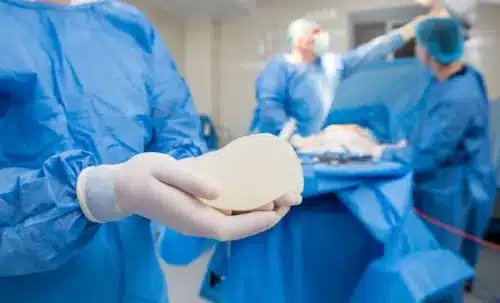
The surgeon begins by precisely redesigning the future scars while standing or semi-seated, then performs the procedure in the operating room: removal of excess skin, recentering of the mammary gland, lifting of the areola and nipple and breast lift, with the possible introduction of a breast prosthesis or the intervention of a lipofilling.

The duration of the procedure varies according to the procedure. At the end of the procedure, dressings and a support bra are applied.

Understanding these stages reduces the anxiety associated with hospitalization and the procedure itself.


9. CONCRETE RISKS: THOSE THAT SOME BROCHURES PLAY DOWN


Like all surgical procedures, mastopexy carries certain risks: hematoma, infection, delayed healing, wound disunion, nipple sensitivity problems, residual asymmetry, hypertrophic or enlarged scars.

Rarer complications exist areolar necrosis, skin necrosis, phlebitis despite compression stockings, reaction to anesthesia.

We must also take into account the risk retouching to correct asymmetry, unsightly scars or partially persistent ptosis.

The pre-operative consultation serves to identify your risk factors (smoking, weight, skin quality, medical history) and tailor your treatment.


10. THE TRUE COST OF MASTOPEXY: PRICE, TOUCH-UPS, MATERIAL, DOWNTIME


The advertised price generally includes These include surgeon's fees, operating room, anesthesia and clinic fees. In addition support bra, the plasters, the follow-up consultations (sometimes included, but not always), and above all your recovery time The “real cost” is more than just a figure on an estimate. The "real cost" is more than just a figure on an estimate.

When mastopexy is purely aesthetic, health insurance and social security do not cover the intervention.


On the other hand, if mastopexy is associated with a breast reduction with removal of at least 300g per breast, or in case of’breast hypertrophy or significant recognized malformation, In some cases, partial coverage may be possible, depending on the criteria for reconstructive and aesthetic plastic surgery. Clinic fees and anesthesia may then be partially covered, while a portion of the surgeon's fees, any implants or touch-ups often remain your responsibility. Anticipating this scenario, including the possibility of a paid touch-up, is part of an informed decision.


Find out more about breast lift after sleeve and its management via our dedicated article.


If you would like to know more about price of Dr Djian's breast lift you can visit his page breast surgery rates


PREPARATION: ACTIONS THAT INFLUENCE RESULTS MORE THAN TECHNIQUE


The pre-operative phase is more than just signing an information sheet. What you do in the weeks before surgery can improve the quality of healing, reduce the risk of complications and optimize the long-term aesthetic result.


THE 4 FACTORS THAT CHANGE EVERYTHING: WEIGHT, SMOKING, SKIN, BRAS


Four concrete levers:

  • weight Aim for a stable silhouette, close to your equilibrium weight, to avoid “breaking” the result by significant weight loss or gain after surgery.
  • tobacco : ideal stop at least 4 to 6 weeks before and after the’The aim of the procedure is to reduce the risk of skin necrosis and poor healing.
  • skin moisturize, protect from the sun, avoid excessive exposure to preserve skin quality
  • bra: as early as the second consultation, plan for the right compression model, to be worn day and night for several weeks after surgery.


These are simple actions, but they have a real impact.


A REALISTIC PRE-SURGERY PREPARATION PLAN


A good pre-operative plan includes :

  • a detailed initial consultation with clinical examination,
  • informed discussion of objectives,
  • explanation of scars and procedure; ;
  • imaging (mammography, breast ultrasound) according to age and history, to rule out unrecognized breast cancer; ;
  • an anesthesia consultation ;
  • practical organization of post-operative days (help with children, shopping, work).

It also includes the management of current treatments, the possible withdrawal of certain medications, and psychological preparation: accepting the change, the dressings, the period of swelling.

If these points are unclear to you, a consultation at Cabinet du Docteur Djian in Paris will help you structure this preparation and clarify what's really needed in your case.


RESULT: WHAT YOU'LL REALLY SEE ON DAYS 1, 30, 90 AND 365


IMMEDIATE RESULT VS. FINAL RESULT: WHY THE BREAST CHANGES SO MUCH


The result of breast surgery cannot be judged in the mirror the next day. The breast goes through successive phases: swelling, tension, red scars, then softening, gradual volume reduction and scar maturation.

  • Day 1 The result: higher, firmer breasts, sometimes very “round”, with bandages, oedema, feelings of tension and tightness. At this stage, the shape is artificially over-projected.
  • Around 30 days Volume begins to reposition, skin relaxes, scars remain red, sometimes pruritic, sensitivity varies (hypersensitivity or, on the contrary, areas that have fallen asleep).
  • Towards 90 days The result: breasts take on a more natural shape, scars fade gently, and most daily activities are resumed.
  • Around 1 year The final result is judged: position of the areola, stability of the breast volume, quality of the scars. The breast will always have some mobility, which is normal.


WHY SOME PTOSIS RETURNS (AND HOW TO LIMIT THE RISK)


Recurrence of ptosis is not always a “failure” for the surgeon. A number of factors contribute to this: varying weight, pregnancy after the operation, breast-feeding, very heavy breast tissue, fragile skin quality, absence of a suitable bra. The surgical procedure may be perfectly performed, yet gravity and time continue to take their toll.

To limit this risk, weight should be stabilized, a good-quality bra should be worn on a daily basis, sudden variations in breast volume should be avoided, and the breasts should be monitored regularly (self-examination, imaging as recommended). When ptosis reappears in an embarrassing way, a correction of the ptosis or a secondary breast lift can be discussed, integrating the scar capital already present.


MAKE AN INFORMED MASTOPEXY DECISION


In the end, the question is no longer “do I have a complex about my breasts?”but “am I ready to accept what this surgery entails: scars, post-operative constraints, possible risks and real benefits for my figure and my comfort?”.

A mastopexy can improve your breasts considerably, provided the procedure is adapted to your anatomy and your expectations are clear. This choice is not made on the basis of retouched photos, but on the basis of a thorough direct exchange, precise examination and frank answers. If you would like to test your project against a specialist opinion, you can book a consultation with Docteur Djian in Paris 16 to obtain a personalized analysis and make an informed decision as to whether a breast lift really makes sense for you.


Your Questions

FREQUENTLY ASKED QUESTIONS ABOUT MASTOPEXY

MASTOPEXY OR BREAST AUGMENTATION: WHAT'S THE RIGHT CHOICE FOR CORRECTING BREAST PTOSIS AND BREAST VOLUME?

more less

Mastopexy is used to lift sagging breasts: the skin is tightened and the areola recentered, but the overall volume changes little.

Breast augmentation, is aimed primarily at increasing volume and curvature through implants or lipofilling, without correcting marked ptosis.

For a sagging chest that is still sufficiently full, we generally prefer the mastopexy alone. If the breast is both empty and drooping («washcloth-like»), it is often associated with facelift and augmentation.

The final choice is made after a clinical examination and precise definition of your objective.

MASTOPEXY AND PREGNANCY: IS IT BETTER TO HAVE THE OPERATION BEFORE OR AFTER PREGNANCY / BREASTFEEDING?

more less

As a general rule, it is preferable to perform a mastopexy after pregnancy and breast-feeding, These events can once again modify the shape of the breast, ptosis and skin quality. Performing the operation beforehand exposes you to a greater risk of a deteriorated result afterwards.

If pregnancy occurs after a breast lift, it is not “forbidden”, but a possible loss of firmness must be accepted. The decision is made on a case-by-case basis in consultation with the surgeon.

ARE THE NIPPLES DIRECTLY INCISED DURING MASTOPEXY?

more less

Yes, mastopexy most often involves a incision around the areola, The nipple is not «cut» or separated from the breast. The scar is placed at the boundary between the skin and the areola, an area where the difference in color generally makes it inconspicuous. The nipple remains attached to the gland by a pedicle, which preserves vascularity and sensitivity as much as possible, even if disturbance is still possible.

DOES MASTOPEXY ALTER BREAST AND NIPPLE SENSITIVITY, AND IS THIS PERMANENT?

more less

Yes, mastopexy can modify breast and nipple sensitivity.. After the procedure, it is common to have a Reduced or increased sensitivity, or areas that are a little “asleep”. In the majority of cases, this sensitivity evolves and gradually improves over the months, without being permanently lost. However, a lasting loss or modification of sensitivity remains possible, especially in the case of significant ptosis or a complex procedure.

WILL I BE INDEPENDENT ENOUGH TO TAKE CARE OF THE CHILDREN AND DAILY LIFE AT HOME AFTER MASTOPEXY?

more less

In the first few days after mastopexy, you won't be able to do everything on your own. avoid carrying children, lifting your arms too high, clean up, to run errands or manage baths on her own. Plan for real help at home for at least one week.

In general, small everyday tasks can be carried out gradually. after 7 to 10 days, provided they remain light. Load-bearing and major physical movements are limited for 4 to 6 weeks.

What did you think of this article?

Rate it !

Average Rating 5 / 5. Number of Votes 1

No votes yet, be the first to rate this article.

Dr. Jérémy Djian
Dr. Jérémy Djian

Dr Jérémy Djian is a plastic surgeon based at 5 square Thiers, near the Victor Hugo roundabout, in the 16th arrondissement of Paris.

He trained in Paris and remains attached to the hospital in the prestigious department of Pr Laurent Lantieri.


Going further
THESE ITEMS CAN
IN THESE SECTIONS
Your Questions
ASK YOUR QUESTIONS
TO DR. DJIAN