
fb Breast ptosis: options, results, appointment booking
Dr Jérémy Djian, 5 Square Thiers , 75016
menu close
Appointment appointment

Surgery

Breast ptosis: everything you need to know about correction, techniques, and results

published on 22.10.2025 by Dr. Djian
<noscript><img width=
Summary
  • DEFINITION OF BREAST PTOSIS?
  • DEFINITION AND STAGES OF BREAST PTOSIS
  • SOLUTIONS FOR TREATING BREAST PTOSIS OR PTOSIS CURE
  • RESULTS, SCARS AND RISKS OF SURGERY
  • PRICE AND TREATMENT OF BREAST PTOSIS
  • PREVENTING BREAST PTOSIS: THE RIGHT DAILY REFLEXES
  • CONCLUSION: REGAIN HARMONIOUS, NATURAL BREASTS
In short
  • Breast ptosis is a sagging of the breast the skin relaxes, the gland descends and the top of the breast appears emptied; the key landmark is the position of the nipple under the inframammary fold.
  • The reference treatment is mastopexy (breast lift): tighten the skin, lift the gland and reposition the areola; volume can be added by lipofilling, implant or breast reduction if necessary.
  • An implant alone does not correct true ptosis; it can aggravate it. Indication is based on a clinical examination and photos/simulations.
  • Resultsvisible improvement from the moment of surgery, shape refining between 3 and 6 months, stabilization around 12 months; discreet scars with appropriate care, support bra and healthy lifestyle.
  • Cost and coverageIn Paris, the usual overall range is between €4,000 and €8,500, with reimbursement rare except in special cases (malformations, tuberous breasts, marked asymmetry).

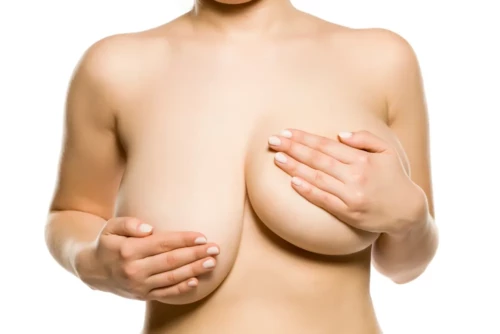
Breast ptosis is not a disease: it occurs when skin loses its elasticity and the mammary gland slides down the breast. Under the effect of gravity, aging, pregnancy or weight loss, the breast loses its firmness, its volume diminishes and the chest sags. This sagging skin sometimes gives the upper part of the breast a drooping or hollowed-out appearance, altering the natural shape of the décolleté.
The mastopexyor breast lift, is the most common surgical procedure used to correct sagging. It consists of lift the chest, reposition the nipple and remove distended skin to restore a harmonious figure. Depending on the degree of ptosis, the technique can be combined with a reduction, lipofilling or a prosthesis., The safest indication to avoid aggravating the subsidence.
Performed in aesthetic clinics, usually on an outpatient basis, and under general anaesthetic, The result is a firmer, more natural appearance and improved self-confidence.


DEFINITION OF BREAST PTOSIS?


Breast ptosis is a natural phenomenon Over time, the skin envelope distends, the internal attachments loosen (Cooper's ligaments) and the mammary gland sags, leading to a progressive drooping of the breasts. The upper part of the breast appears emptied, the volume is concentrated at the bottom and the breast loses its firmness.
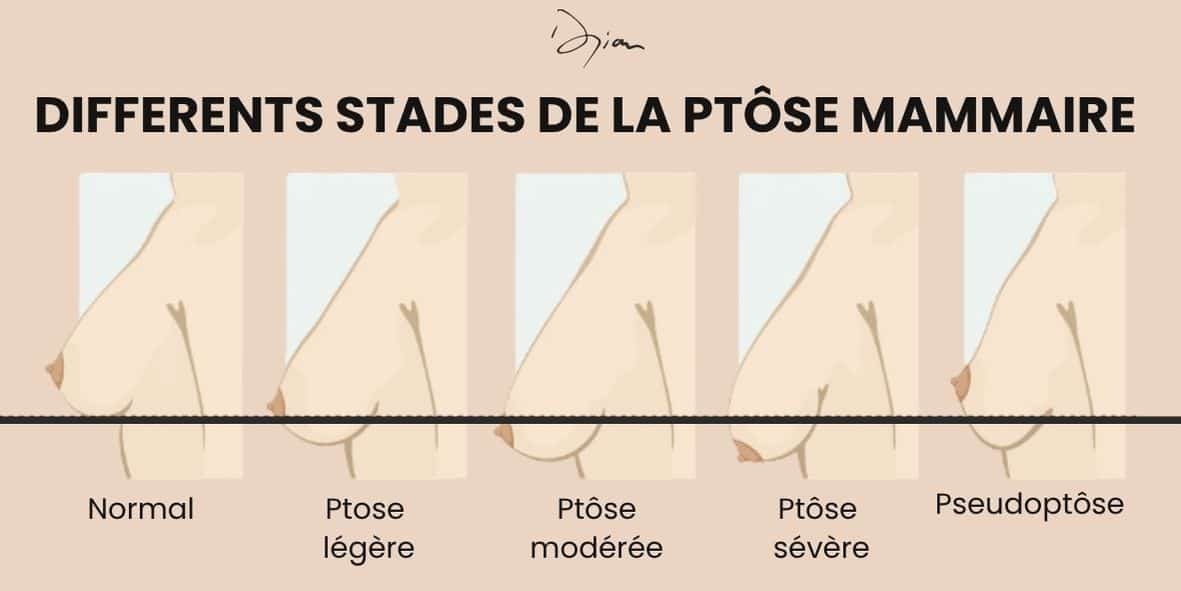
We speak of sagging breasts when the nipple descends. below the level of the submammary fold (natural fold under the breast), marking a loss of curvature and tone. The definition of breast ptosis is therefore based on the abnormal position of the nipple and changes in glandular volume.

This sagging is not pathological: it reflects the effects of time, gravity, weight variations and hormonal changes. Depending on skin quality (cutaneous elasticity) and morphology, it can appear early and then become more pronounced.


DEFINITION AND STAGES OF BREAST PTOSIS


Surgeons classify breast ptosis into three stages according to the height of the nipple in relation to the submammary fold, the anatomical landmark at the base of the breast.

stages of breast ptosis

  • Mild ptosis (grade 1) The nipple is slightly lowered, but remains above the furrow. The décolleté still retains a harmonious shape.
  • Moderate ptosis (grade 2) The nipple is at the same level as the submammary fold. The breast drop becomes visible, with more pronounced skin slackening.
  • Severe ptosis (grade 3) the nipple descends sharply below the furrow, indicating a complete collapse of the gland and a significant skin distension.
  • Pseudoptosis The nipple remains above the inframammary fold, but the lower part of the breast overflows downwards. The upper pole is “emptied”, the lower is filled. This is not “true” ptosis, as the nipple is not low.

These degrees of ptosis guide the choice of surgical technique. An implant alone does not correct ptosis, and may even aggravate it due to its weight. A breast lift allows correct sagging breasts by removing excess skin and lifting the gland, even if this means adding a moderate volume if necessary. Conversely, for slight ptosis with an “emptied” breast but with little skin distension, an implant or lipofilling may suffice, without any skin gesture.


THE DIFFERENT CAUSES OF BREAST PTOSIS


Several factors can lead to progressive sagging of the breasts. While ptosis is often associated with aging skin, it can also affect young women without pregnancy or significant weight loss. Each cause affects skin, gland and ligaments breast support.


BREAST PTOSIS AFTER MAJOR WEIGHT LOSS


After rapid weight loss, the skin doesn't have time to retract and the gland loses volume, leaving a hollowed-out chest. The weight loss surgery aims to remove excess skin and tighten the envelope. Depending on the case, a measured volume supplement (lipofilling or modest implant) may be discussed to avoid the appearance of further emptying, but without overloading the tissues or encouraging further sagging.


PREGNANCY AND BREASTFEEDING


Volume changes during pregnancy and breastfeeding distend the skin envelope. After weaning, if the skin does not recover and the areola is low, a breast lift after pregnancy is more appropriate than an isolated implant, which could accentuate ptosis.


HORMONAL VARIATIONS


Hormonal changes, particularly during menopause, modify fat distribution and skin tone. Mammary tissue becomes softer, the gland loses density and the breast flattens, accentuating natural ptosis.


INHERITED


The quality of the skin, the density of the mammary gland and the strength of Cooper's ligaments all depend in part on genetic inheritance. Some women have thinner or less elastic skin, which favors early sagging.


NO BRA AND NATURAL SAGGING


Wearing an appropriate bra helps limit the traction exerted on the tissues. The absence of a bra, especially for women with large breasts, accentuates the severity of the phenomenon. But sometimes, even with good support, gravity acts naturally over the years.


SKIN AGING


With age, collagen and elastin production diminishes. The skin loses its ability to tighten, tissue slackens and the nipple descends. This physiological process affects all women, but can be slowed by a healthy lifestyle and regular skin care.


HOW DO YOU KNOW IF YOU HAVE BREAST PTOSIS?


A simple test can detect the presence of ptosis the pencil test. This involves placing a pencil under the breast, in the submammary fold. If the pencil stays in place, the breast has sagged.
Visual observation of the nipple is also a reliable guide. When the nipple is below the furrow, we speak of true ptosis.

For a precise diagnosis, only a consultation with an aesthetic surgeon will enable us to assess the degree of skin slackening, the proportion of glandular tissue and the most suitable correction technique.
Ask for a consultation with Dr Djian, breast ptosis expert in Paris.


SOLUTIONS FOR TREATING BREAST PTOSIS OR PTOSIS CURE


Mastopexy (breast lift) aims to lift sagging breasts by removing excess skin, recentering the gland and repositioning the nipple to restore a natural curve. The procedure is usually performed under general anaesthetic, on an outpatient basis, with immediately perceptible results that improve over several months.


KEY POINT
A facelift corrects position and shape, but does not modify volume on its own. A measured complement (lipofilling or implant) is only proposed in cases of persistent lack of fullness.


Make an appointment with Dr Djian, breast lift specialist in Paris, This allows you to obtain a personalized assessment and a simulation of the expected result.


BREAST LIFT WITHOUT PROSTHESIS (MASTOPEXY)


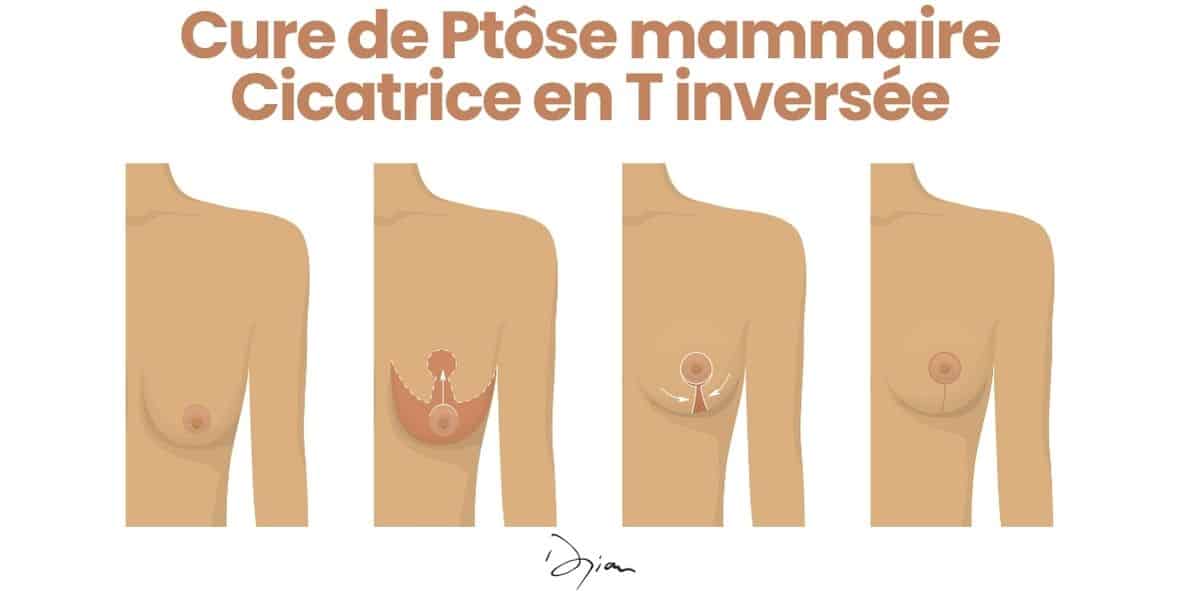
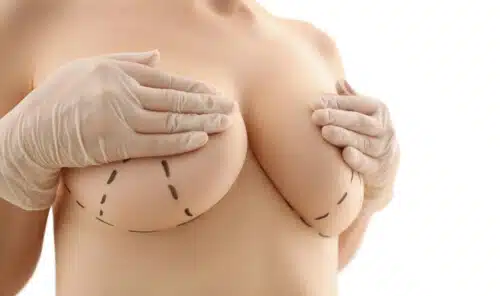
When the patient retains sufficient volume, a breast lift without prosthesis is the preferred solution. The surgeon removes excess skin and reshapes the gland to restore a firm, natural shape. Several types of incision can be used, depending on the degree of ptosis:

  • periareolar incision for light ptosis;
  • vertical incision for moderate ptosis ;
  • inverted T incision (or sea anchor) for severe ptosis with significant skin excess.


breast ptosis scar


This technique can also be used to correct breast asymmetry, or to reduce the diameter of the areola if it is too large. These incisions are positioned at the natural limits of the skin (areolar margin, vertical axis, submammary fold) to remain discreet and camouflaged by the bra. Scars, though visible at first, fade considerably over time.


BREAST LIFT WITH PROSTHESIS


When ptosis is accompanied by loss of volume, the combination of a breast lift and breast implants can restore fullness to the décolleté. This procedure restores curvature to the upper part of the breast and lifts it. The choice of prosthesis depends on the patient's morphology and the desired result (round or anatomical shapes). The surgeon is careful to maintain a balance between correcting ptosis and adding volume, to avoid excessive tension on the skin.
To be discussed only if the volume deficit is proven: an implant that is too large can weigh on the tissues and encourage recurrence of sagging. It's better to opt for a measured, even program a two-stage increase if a significant gain is desired. The result is stable if weight and skin quality remain stable.


AUTOLOGOUS LIPOFILLING


Le lipofilling mammaire consiste à remove fat from another area of the body, (often the thighs, hips or abdomen) to reinject it into the breast. Fat transfer provides a subtle correction of the upper curve, with moderate quantities per session. This option is an interesting complement to a facelift when the patient refuses the implant or wants a particularly natural result. This procedure sculpts the breasts with precision, while using the patient's own tissues, thus limiting the risk of a reaction.


MASTOPEXY WITH BREAST REDUCTION


Some patients have large, sagging breasts (breast hypertrophy). In this case, surgery combines reduction of glandular volume with correction of ptosis. The surgeon removes part of the mammary gland, while repositioning the areola and tightening the skin.
This breast reduction coupled with mastopexy not only lighten the breasts, but also rebalance the silhouette and relieve back pain. The desired result is lighter, more symmetrical breasts in harmony with the overall morphology, with a stable shape over time.


RESULTS, SCARS AND RISKS OF SURGERY


A breast lift offers results that are both visible and gradual. The breasts regain their harmonious shape and natural positioning. The quality of the result depends on the technique used, the elasticity of the skin and compliance with post-operative instructions.


EXPECTED RESULTS AND EVOLUTION OVER TIME


As soon as you leave the operating room, your breasts appear higher and better shaped. The nipple is repositioned at a level consistent with the patient's morphology.

For the first few months, the tissues are still taut and the scars slightly pink.
Between 3 and 6 months, the skin regains its suppleness, the décolleté becomes more natural and symmetry takes hold.
After 1 year, the result is considered definitive: the shape of the breasts is stabilized and the hold is long-lasting, provided the patient maintains a stable weight. Patients often regain a feeling of lightness and a balanced silhouette.

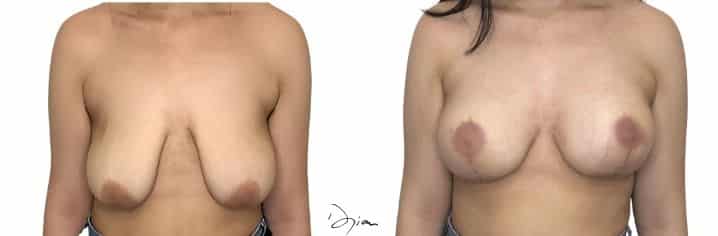
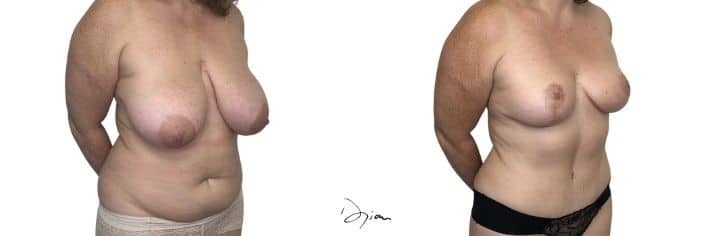
Here are a few before and after breast lift photos practiced by Dr Djian.

before after breast reduction


before after breast reduction profile


SCARS DEPENDING ON THE TECHNIQUE USED


Scars are a necessary counterpart to the treatment of true ptosis. They depend on the technique chosen and the degree of initial sagging.
For light ptosis, the scar is limited to the areola.
In moderate cases, it extends vertically into the submammary fold.
In the case of severe ptosis, an inverted-T scar is required to remove more skin.

Properly cared for, these marks fade and blend into the skin. Applying healing skin care products, avoiding sun exposure for a year and not smoking will help maintain a beautiful aesthetic evolution. To further optimize the healing process, a laser treatment like UrgoTouch can be offered.


urgotouch breast lift


POSSIBLE RISKS AND COMPLICATIONS


Like all surgical procedures, mastopexy involves rare complications:

  • hematoma
  • infection, 
  • delayed healing
  • or loss temporary sensitivity of the’areola.

These risks are limited by strict hygiene and careful monitoring. Minor asymmetries may persist, due to the natural difference between the two breasts. Most imperfections diminish on their own as healing progresses.

Patients should inform their surgeon of any medical history or treatment in progress in order to adapt pre- and post-operative precautions.


PSYCHOLOGICAL BENEFITS


Beyond the aesthetic aspect, the correction of breast ptosis brings tangible psychological well-being. Regaining firm breasts and a harmonious décolleté restores self-confidence, bodily ease and freedom of dress. Many patients describe an improvement in their posture and a feeling of lightness, as if their bodies were regaining their natural balance.

This calming of self-image often has positive repercussions on intimate life: greater comfort, increased freedom of movement, less self-censorship and, for some, a renewed sense of sexual fulfillment. Without being a goal in itself, this benefit often stems from a more serene relationship with one's body.

The procedure helps you come to terms with your image, particularly after major life changes such as maternity, weight loss or aging.

A consultation with Dr. Djian in Paris, a specialist in breast surgery, will enable you to envisage a tailor-made solution and achieve a result that is both harmonious and long-lasting.


PRICE AND TREATMENT OF BREAST PTOSIS


HOW MUCH DOES BREAST PTOSIS SURGERY COST?


The cost of surgery of breast ptosis varies according to the technique, the extent of the procedure and the facility where the surgery is performed. The procedure is personalized, as sagging, volume and skin elasticity differ from patient to patient.

In Paris between €4,000 and €8,500 all-inclusive (pre-operative consultation, surgeon's and anesthetist's fees, clinic fees).

The range depends above all on the degree of ptosis and the associated gestures:

  • lower rangesimple mastopexy without implant; ;
  • high endimplants, lipofilling and/or breast reduction.

The experience of the practitioner, the clinic chosen and the quality of post-operative follow-up also influence the final cost estimate.

PROCEDURES Cosmetic surgery incl. VAT Reconstructive surgery fees
Dual Plan“ breast implants” 6,000 to 7,000 euros 4,000 to 5,000 euros
Breast implants + fat grafting from 7500 euros
Breast lift (without implants) 6500 euros
Breast lift with implants 8000 to 8500 euros
Breast lipofilling (fat grafting) from 6500 euros

* The cosmetic surgery prices on this page are indicative and non-contractual. The first cosmetic surgery consultation costs 100 euros.


Dr. Djian's detailed estimate for cosmetic surgery is given at the end of the consultation. This pre-operative appointment is used to analyze morphology (degree of ptosis, skin quality, symmetry), validate the indication and choose the appropriate technique. The estimate specifies fees, the anesthesia costs, the clinic costs, the length of hospital stay (often ambulatory) and type of act with an explanation of scars, risks and recovery protocol for an informed decision.


REIMBURSEMENT AND CONDITIONS OF COVERAGE


The breast ptosis surgery is considered a cosmetic procedure and is not reimbursed by the French Social Security system.
However, there are a few exceptions. A partial coverage may be granted in specific cases: congenital malformation, tuberous breastsor significant asymmetry between the two breasts. In these situations, the surgeon sends a request for prior agreement the Caisse Primaire d'Assurance Maladie, which makes its decision after examining the medical file.

Even in the absence of reimbursement, the mastopexy remains a long-term investment. Results are stable over time, providing lasting aesthetic and psychological benefits.
Choosing a qualified and experienced surgeon remains essential to guarantee the safety of the procedure and the quality of the final result.


PREVENTING BREAST PTOSIS: THE RIGHT REFLEXES FOR EVERYDAY LIFE


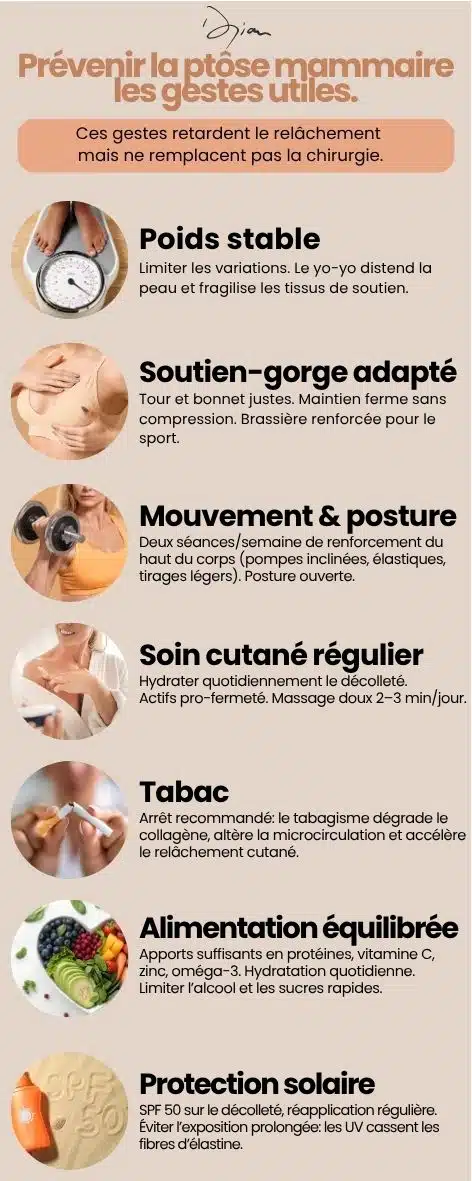
Preventing breast ptosis


Preventing breast ptosis is above all a matter of protection of the supporting tissues of the breast. Visit maintaining a Stable weight is essential: major variations in weight cause successive stretching of the skin, making it more fragile.

Wearing an appropriate bra, well fitted to the size of the breasts, helps to reduce traction on the ligaments and mammary gland. It must be comfortable, offering good support without compressing, especially during physical activity.
Thedaily hydration of the skin, with care products rich in collagen and elastin, helps to preserve its firmness.

Sport in moderation, It strengthens the pectoral muscles and improves chest tone. Strengthening exercises such as push-ups or movements with light dumbbells stimulate the bust area.
Last but not least, a healthy lifestyle, including quitting smoking, a balanced diet and sun protection, helps to slow down skin ageing and preserve the shape of the décolleté.

These simple gestures are no substitute for surgery, but they do help to delay the onset of skin sagging and maintain the natural firmness of the breasts for as long as possible.


CONCLUSION: REGAIN HARMONIOUS, NATURAL BREASTS


Making a decision about breast ptosis isn't just about “having an operation”. It's about clarifying a simple goal: feel better in your body. Some will opt for day-to-day prevention (stable weight, adapted support, skin care, gentle exercise); others will wish to correct an established sagging with a measured mastopexy, designed for their morphology and lifestyle. The important thing is to move forward with clear information on the procedure, the scars, the after-effects and the expected result.

If you would like a more detailed opinion and concrete recommendations, make an appointment with the Dr Jérémy Djian in Paris. The no-obligation consultation allows us to assess your situation, examine your options and build a realistic care plan, focused on a natural, long-lasting result.


Your Questions

FREQUENTLY ASKED QUESTIONS ABOUT BREAST PTOSIS

What's the difference between a breast lift and a breast augmentation?

more less

Breast lift aims to lift sagging breasts by removing excess skin and repositioning the areola. L’breast augmentation, Lipofilling, on the other hand, consists in adding volume by means of a prosthesis or lipofilling. These two procedures can be combined when both sagging and lack of volume need to be corrected.

How long is the recovery period after a breast lift?

more less

Convalescence lasts an average of 2 to 3 weeks. Sedentary activities can be resumed after 10 days, but physical exertion should be avoided for a month. A support bra must be worn day and night for 6 weeks to support the breasts and promote healing.

Does breast ptosis return over time?

more less

Once corrected, breast ptosis does not return, provided that’avoid weight fluctuations and maintain a healthy lifestyle. Skin ageing is a natural process, but breasts retain their harmonious appearance for many years. Pregnancy or major weight variations can, however, alter this long-term result.

Is it possible to breastfeed after mastopexy?

more less

Yes, in the majority of cases. The breast lift does not alter the mammary gland or milk ducts. However, it is preferable to wait until the end of pregnancy before considering this surgery, as subsequent breast-feeding may alter the shape and skin tension of the operated breast.

How painful is breast ptosis?

more less

Pain is moderate, comparable to muscle tension. It is well relieved by the mild analgesics prescribed after the procedure. The main discomfort comes from the pulling sensation associated with the tightened skin, which subsides within a few days. Patients mainly describe a temporary sensation of heaviness, rather than sharp pain.

What's the difference between breast ptosis and breastfeeding-related sagging?

more less

Breast ptosis is a long-lasting sagging of the skin and breast tissue, while post-breastfeeding sagging is the result of rapid volume loss. In the latter case, distended skin can sometimes retract naturally. If sagging persists beyond 6 months, a mastopexy can correct the shape and reposition the areola.

Is there an ideal age for a breast lift without compromising future breastfeeding?

more less

There is no strict age limit, but it is advisable to wait until after pregnancy and breast-feeding before considering mastopexy. In younger women, the quality of the skin favours rapid healing and a long-lasting result. For older women, surgery can restore a harmonious shape and a balanced silhouette, whatever the stage of life.

What did you think of this article?

Rate it !

Average Rating 5 / 5. Number of Votes 1

No votes yet, be the first to rate this article.

Dr. Jérémy Djian
Dr. Jérémy Djian

Dr Jérémy Djian is a plastic surgeon based at 5 square Thiers, near the Victor Hugo roundabout, in the 16th arrondissement of Paris.

He trained in Paris and remains attached to the hospital in the prestigious department of Pr Laurent Lantieri.


Going further
THESE ITEMS CAN
IN THESE SECTIONS
Your Questions
ASK YOUR QUESTIONS
TO DR. DJIAN