Lift sagging breasts: causes, surgical solutions (lift, prostheses, reduction) and results 

published on 22.12.2025 by Dr Djian
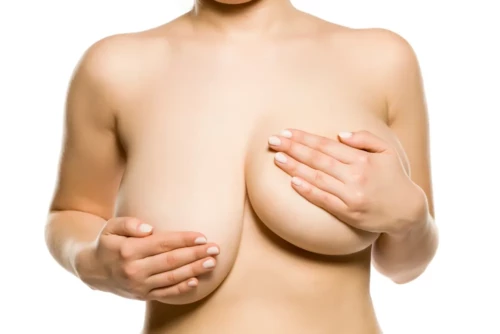
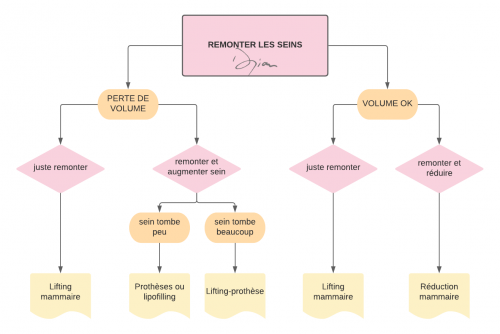
When a woman types “lift breasts” on a page, it's not to read a cold definition of breast ptosis. It's because her breasts have changed: a sagging breast, a lower areola, a feeling of “emptiness” at the top, sometimes after pregnancy, sometimes with no obvious cause. Between a simple breast lift (mastopexy), a lift associated with breast augmentation by implant or prosthesis, lipofilling, or a reduction if the volume is too great, there are several operations to lift a woman's breasts, and they do not all aim for the same result.
Here, the aim is to help you find your bearings, without any magic promises: understand what “falls out” (skin, gland, nipple position), what the operation requires in the operating room (anesthesia, incision, dressing), what the usual after-effects are (convalescence over several weeks) and what to watch out for (scar, infection, complication, implant rupture). In short: clear answers before choosing breast surgery.
Here, the aim is to help you find your bearings, without any magic promises: understand what “falls out” (skin, gland, nipple position), what the operation requires in the operating room (anesthesia, incision, dressing), what the usual after-effects are (convalescence over several weeks) and what to watch out for (scar, infection, complication, implant rupture). In short: clear answers before choosing breast surgery.