fb Walking after breast augmentation: time limits and tips
Dr Jérémy Djian, 5 Square Thiers , 75016
menu close
Appointment appointment

Tips & advice

Can you walk after breast augmentation? Recovery time and advice

published on 10.03.2026 by Dr Djian
Can you walk after breast augmentation? Recovery times and advice
Summary
  • WHY IS WALKING RECOMMENDED IMMEDIATELY AFTER IMPLANT SURGERY?
  • RESUMPTION SCHEDULE: FROM GENTLE WALKING TO A RETURN TO INTENSIVE SPORT
  • ESSENTIAL PRECAUTIONS FOR PAIN-FREE WALKING AFTER SURGERY
  • SPECIFICS ACCORDING TO IMPLANT TYPE AND LIFESTYLE
  • FROM RECOVERY TO FINAL RESULT: THE KEYS TO SUCCESSFUL SURGERY
In short
  • Walking from day one is essential for improve blood circulation and prevent the risk of phlebitis.
  • During the first week, for the best results gentle, fractional walking to limit fatigue after surgery.
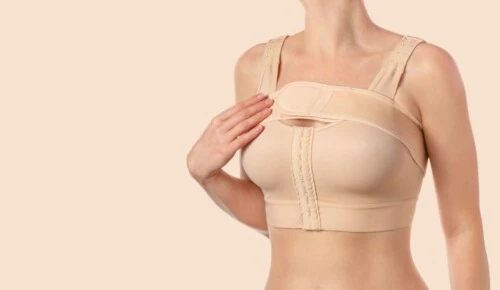
  • Wearing your compression bra is a must to stabilize each breast implant during movement.
  • After six weeks, internal healing allows gradually resume physical activity or more intense sport.

Can I walk right after a breast augmentation? The answer is yes: it's even a medical recommendation to activate your circulation and accelerate healing. Here are the precise deadlines and precautions to follow, from the first day until you resume sport, to guarantee optimal aesthetic results.


WHY IS WALKING RECOMMENDED IMMEDIATELY AFTER IMPLANT SURGERY?


PREVENTING PHLEBITIS: THE URGENT NEED TO MOVE YOUR LEGS


The major risk after general anaesthesia is the formation of blood clots in the lower limbs. By gently activating the blood circulation, you reduce the likelihood of developing a embolism or a phlebitis. This first, albeit timid, step is essential for securing your post-breast augmentation convalescence..

It is often advisable to rest, but the total rest is prohibited. A slow wandering in your room on the day of the operation, allows you to improve blood flow. It's a simple precaution that will turn your recovery into a lasting medical success. without prematurely straining the pectoral muscles.


THE SURGEON'S ADVICE
For your first outing, choose flat, obstacle-free terrain to avoid falling. Walk slowly, at a leisurely pace, for no more than 5 minutes, ideally accompanied. Keep your arms fixed or limit their swing to avoid straining the sutures.


ABDOMINAL BREATHING: YOUR INVISIBLE RECOVERY ALLY


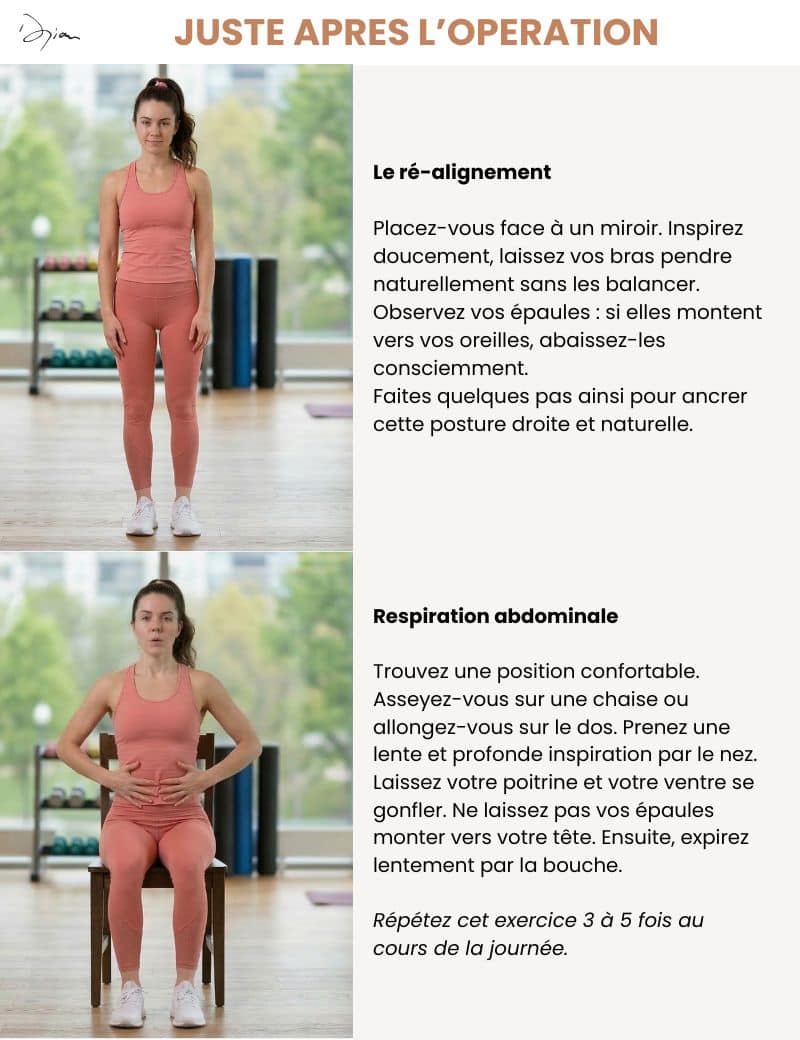
We often forget it, but breathing well is as crucial as walking well. After a general anaesthetic, the lungs need to be fully activated to avoid congestion. By practicing abdominal breathing (or diaphragmatic) exercise during your daily outings, you provide the extra oxygen essential for the regeneration of operated tissues.

What's more, this back-and-forth movement of the diaphragm acts as a veritable internal «pump». It exerts gentle pressure on the lymphatic and blood vessels of the abdomen, accelerating the elimination of edema.


HOW TO DO IT?
As you walk slowly, inhale deeply through your nose, letting your belly expand (without forcing your chest), then exhale slowly through your mouth. This simple gesture also calms the nervous system, reducing pain perception and muscle tension around your implants.


REDUCE SWELLING: HOW WALKING STIMULATES THE LYMPHATIC SYSTEM


The swelling or edema is a normal reaction after cosmetic surgery. However, the lymphatic fluid tends to stagnate around the operated area if the body remains motionless. Walk promotes lymphatic circulation, helping the body to drain excess to lymph nodes naturally.

Patients sometimes experience a migration of edema to the upper abdomen. This phenomenon, though impressive, is a sign that drainage is taking place. By walking, you are helping this natural process, which reduces skin tension on scars and improves your general comfort during the first week.


POST-OPERATIVE POSTURE: TAMING YOUR BALANCE AND CENTER OF GRAVITY


The addition of’breast implants instantly changes your center of gravity, but the most profound impact of the procedure is psychological. Before the operation, many women suffering from breast hypotrophy unconsciously adopt a «defense posture» or camouflage: shoulders curl forward and back arches to hide what they perceive as a complex.

Increased self-esteem after surgery is the main driving force behind your postural recovery, far more than just a change in physical mass. Walking then becomes an essential rehabilitation tool: it accompanies the natural reprogramming of your biomechanical system. As you walk, you encourage your spine to realign and your shoulders to open up, releasing accumulated tension. This process of rebalancing, which can take up to a year to reach full stability, is a key step in integrating your new silhouette and sustaining your aesthetic result.


Exercises just after breast augmentation


If you experience persistent discomfort in your posture, a consultation with an expert is recommended.


RESUMPTION SCHEDULE: FROM GENTLE WALKING TO A RETURN TO INTENSIVE SPORT


WEEKS 1 AND 2: SPLIT WALKING TO AVOID FATIGUE


During the first week, Your energy is mobilized by tissue healing. There's no need to aim for long distances immediately after breast augmentation surgery. The most effective method is split walking 3 10-minute outings are preferable to a single long walk, which could cause unnecessary exhaustion.

This approach makes it possible to’improve circulation without increasing blood pressure in a brutal way. This is the best way to listen to your body's signals. If you feel tightness appears, return to rest.

Fatigue management is an absolute priority during this initial phase.


TAMING YOUR MOVEMENTS: GENTLE ARM MOBILITY EXERCISES


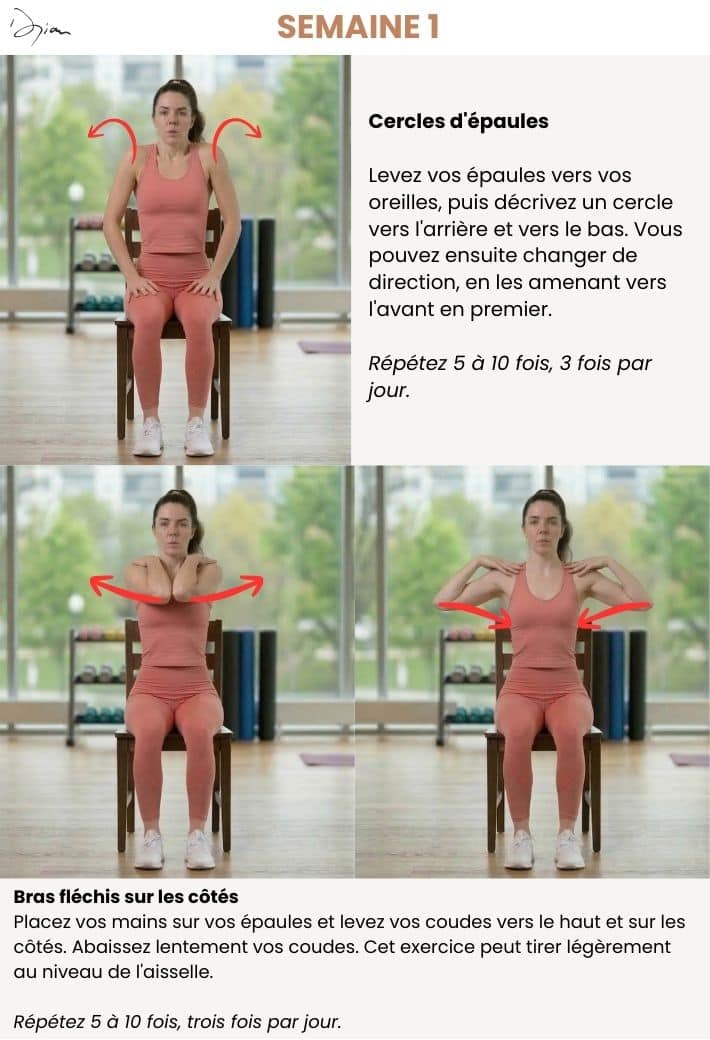
Week 1 - Getting back on track


The aim is to raise your arm to shoulder height. These exercises are essential to regain the mobility you had before surgery, and to minimize post-operative complications such as scar stiffness or lymphatic cord syndrome.


possible exercises in the first week after breast augmentation


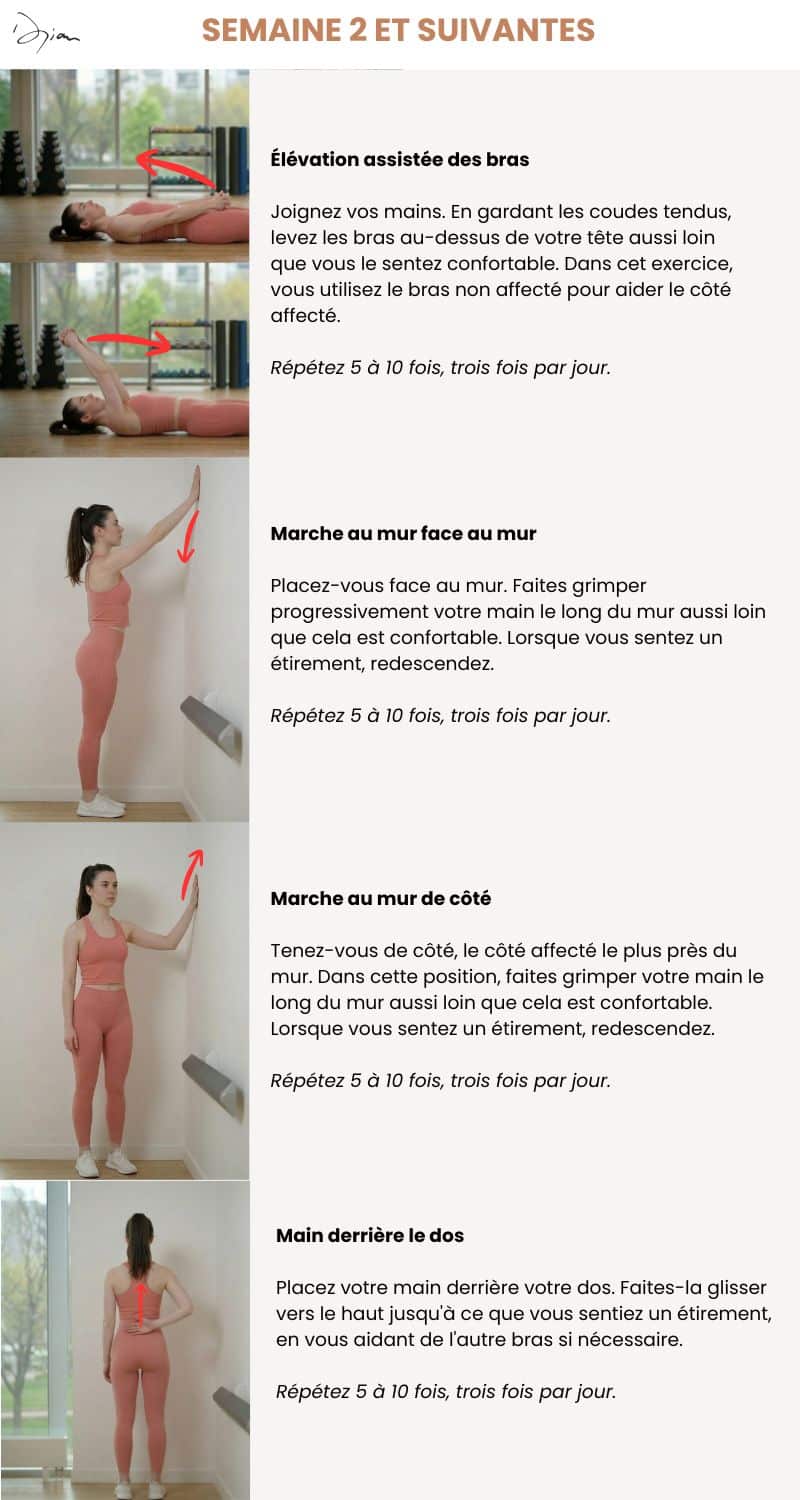
Week 2 and beyond: regain full amplitude:


The aim is to raise your arms above your shoulders: resume your daily routine (hair styling, grooming) to stimulate circulation and prevent lymphedema. Stretch without pain and respect your fatigue.


Exercises following breast augmentation


AFTER 1? MONTHS: RUNNING AND GETTING BACK INTO SPORTS AFTER BREAST SURGERY


After the six-week period, The internal scarring is sufficiently solid to allow you to accelerate your physical activity. However, you should be cautious about returning to sport. You can start to using an elliptical trainer, provided that the wearing a sports bra is rigorous to limit bounce.

Exercises involving the lower body, such as the squats or lunges are excellent options.. They allow you to burn off energy and tone your body without straining the operated area. It's a gentle transition back to your former active lifestyle before your plastic surgery.


AFTER 6 WEEKS: RETURN TO INDEPENDENCE AND RESUMPTION OF HIGH-IMPACT SPORTS


This is the stage when the majority of restrictions lifted. However, if your surgical procedure involved a implant placement behind the muscle, However, caution is still called for when exercising the pectoral muscles. Direct contact or violent shocks must be approved by your plastic surgeon.

Sports such as CrossFit or the tennis place enormous demands on the upper body. You need to keep a close eye on how you feel. If you feel any specific pain around the scar, reduce the intensity immediately. Your body will tell you its real limits in relation to the volume implanted.


SELF-ASSESSMENT BEFORE INTENSE SPORT
  1. Are my breasts completely supple and painless to the touch?
  2. Can I raise my arms above my head without any tension?
  3. Are my scars perfectly closed and non-inflammatory?If you answered «no» to any of these questions, please wait another 15 days.


For a serene resumption adapted to your anatomy, a clinical assessment is often beneficial.

Doctor Djian, a recognized specialist in breast surgery in Paris, can help you plan your return to sport based on your type of breast prosthesis.


ESSENTIAL PRECAUTIONS FOR PAIN-FREE WALKING AFTER SURGERY


THE ROLE OF THE SUPPORT BRA IN STABILIZING PROSTHESES DURING WALKING


The wearing a support bra is not an option, it's a necessity. strict medical prescription:

  • Micro-shock absorption : during each step, it neutralizes micro-movements and friction that could irritate the operated area or alter the aesthetic result.
  • Immediate relief from gravity: by supporting the weight of the prostheses, it prevents painful tension on your scars (submammary or axillary) and reduces the sensation of heaviness.
  • The engine of your mobility: it lets you walk early and serenely, without worrying about compromising the symmetry of your breasts.


ABNORMAL PAIN AND WARNING SIGNS: WHEN TO STOP WALKING?


Knowing how to stop is just as important as knowing how to start. A diffuse muscle pain is normal, But there are some warning signs.

If you experience any of these symptoms, stop all physical activity immediately and contact your doctor:

  • a sudden unilateral tension,
  • a sudden swelling of a single breast,
  • a bright red.

A abnormal shortness of breath or a feeling of discomfort when walking may indicate that your body is not yet ready for the effort. By following these warnings, you can prevent complications before they become serious.

The caution remains the key to your recovery from surgery.


SPECIFICS ACCORDING TO IMPLANT TYPE AND LIFESTYLE


IMPLANT POSITION (IN FRONT OF OR BEHIND THE MUSCLE) AND IMPACT ON GAIT


When the’implant is placed under the pectoralis major muscle, Walking may be more sensitive at first. Every arm movement or reflex contraction of the thorax calls on the muscle stretched by the implants.

Conversely, a retroglandular position often makes for faster, smoother mobility.

The prosthesis weight also plays a role. A large volume will require more time for the breast's suspensory ligaments to adapt to this new load. The sensation of rocking is more pronounced, This requires special attention to the quality of your restraint during your daily travels.


IMPLANT POSITIONING
Imagine the prosthesis under a muscular covering (retro-muscular) or simply under the gland (retro-glandular). The first option provides better protection for the implant edge, but requires more muscular rest at the outset during arm movements.


DAILY LIFE: COMBINING RECOVERY WALKING, WORK AND DRIVING


Integrating walking into your daily life should be a priority. do it in stages. At work, if you have a sedentary job, walking during your breaks is ideal for improving circulation. On the other hand, Driving should be avoided for the first week., This is because sudden movements of the steering wheel are incompatible with scarring.

If you have specific questions about your development, expert advice is always preferable.

Doctor Djian is available for consultation in Paris to ensure rigorous, personalized monitoring of your post-operative care.


FROM RECOVERY TO FINAL RESULT: THE KEYS TO SUCCESSFUL SURGERY


Optimal recovery after breast surgery (implants), breast lift, or a breast lipofilling) requires a progressive schedule. Walking the very next day is the key to recovering without surgical complications.

After the dressing phase, sporting activities must be gradually resume depending on the technique used. During the first month, avoid heavy exertion and follow the prescribed protocol by your plastic surgeon. Whether it's a breast reduction or breast augmentation, the rate of increase must be adapted.

For optimal, visible results, contact Dr Djian in Paris 16.


Sources :

Your Questions

FREQUENTLY ASKED QUESTIONS ABOUT RETURNING TO SPORT AFTER BREAST AUGMENTATION

How long do I have to rest after an implant procedure?

more less

A relative rest of 3 to 7 days is recommended to manage initial fatigue. While a gentle walk is recommended as soon as you leave the operating theatre, avoid any strenuous activity during your stay. 4 to 6 weeks to ensure optimal healing. The first week, For example, if you're going to carry anything heavier than a carton of milk (1 kg), don't carry anything heavier than a carton of milk (1 kg). Up to 6 weeks Avoid carrying a pack of water or a small child.

Does walking displace prostheses?

more less

As long as you wear your support bra, Slow walking presents no risk of displacement for your implants. This medical device is designed to stabilize the chest and absorb the micro-shocks associated with movement. A quiet walk protects the position of your dentures while promoting healing.

Can I travel or fly after surgery?

more less

Yes, but a delay of 7 days is generally recommended before flying, to ensure that initial recovery is stable. The main risk associated with travel is phlebitis, favored by prolonged immobility and atmospheric pressure. To make your journey as safe as possible, it's essential to take a combination of three precautions. support stockings, optimal hydration and regular walk in the aircraft (a few minutes every hour) to stimulate circulation. For long-haul flights, this protocol is all the more crucial. In all cases, ask for Dr. Djian's final approval before you leave, so you can travel with a clear head.

Is it possible to climb stairs in the first week after breast augmentation?

more less

Yes, it's perfectly possible to climb stairs, but it must be done with extreme caution. Avoid carrying heavy objects at the same time, and use the handrail to stabilize your balance without putting too much strain on your arms. This activity puts a strain on the heart rate, so be careful not to cause unnecessary breathlessness during this delicate healing phase.

Can I carry loads (shopping, children) while walking?

more less

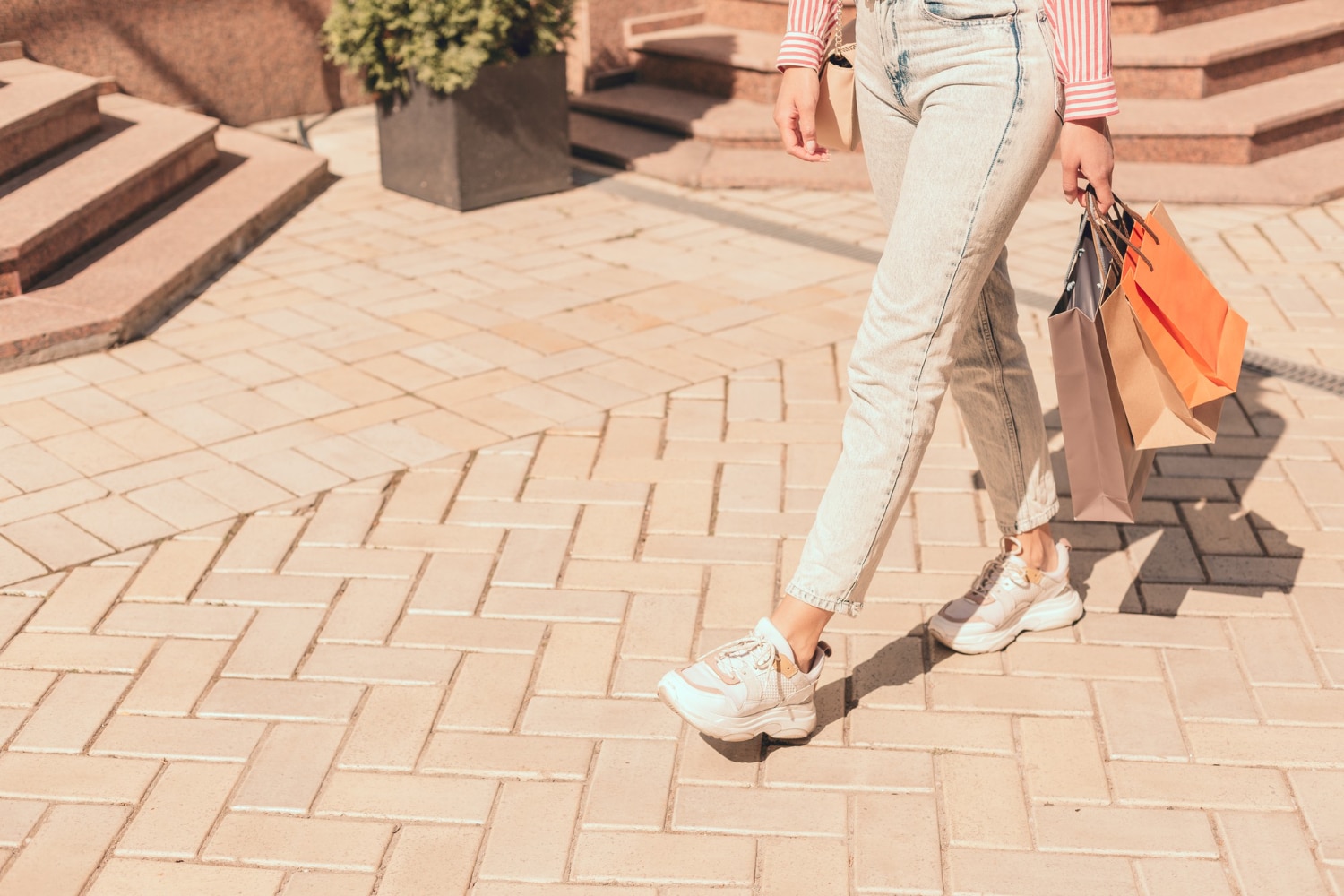
It is strongly we advise against carrying loads of more than 2 kilograms for the first 3 weeks following breast augmentation. Carrying heavy bags puts a direct strain on your pectoral muscles, and can cause excessive tension on your scars or displace your implants. For your shopping, ask for help or use a delivery service, so that you can enjoy active rest without straining your muscles.

WHAT ARE THE SIGNS OF RETURNING TO SPORT TOO SOON?

more less

Signs of too-rapid recovery include:

  • Unusual or persistent pain.
  • Sensation of excessive tension or burning in scars.
  • Appearance of new swelling or bruising.
  • Redness or discharge from scars, which may indicate inflammation or infection.

If such symptoms occur, consult your surgeon immediately.

WHAT ARE THE SYMPTOMS OF IMPLANT DISPLACEMENT FOLLOWING PHYSICAL EFFORT?

more less

A breast implant may shift as a result of excessive strain on the pectoral muscles. Signs to watch out for are :

  • Sudden breast asymmetry.
  • A change in the shape or position of a breast.
  • A sensation of excessive implant mobility.
  • Localized discomfort or pain that does not improve with rest.

If in doubt, consult your surgeon.

DO PATIENTS WHO EXERCISE REGULARLY RECOVER MORE QUICKLY?

more less

Yes, optimal overall physical condition promotes faster recovery thanks to improved blood circulation, muscle tone and tissue elasticity. However, this does not exempt you from respecting medical recommendations concerning the resumption of sporting activities after surgery.

Is walking on an inclined treadmill permitted soon after surgery?

more less

The use of a treadmill with an incline should be avoided during the 1st month. A slope that is too steep alters your posture and increases blood pressure, as well as working the deep muscles of the bust. For breast augmentation, the incline should only be increased after approval by your surgeon, generally after six weeks, so as not to disturb the internal healing of the tissues.

How does walking influence the final shape of my breasts after implants?

more less

Walking does not directly influence shape, but it does reduce the edema that camouflages the actual result. By walking, you promote the resorption of swelling, enabling the skin to drape properly over the breast implant more quickly. This is an essential process for stabilizing the position of the prosthesis and enjoying the final, definitive volume of your new breasts in the best possible conditions.

What did you think of this article?

Rate it !

Average Rating 5 / 5. Number of Votes 2

No votes yet, be the first to rate this article.

Dr. Jérémy Djian
Dr. Jérémy Djian

Dr Jérémy Djian is a plastic surgeon based at 5 square Thiers, near the Victor Hugo roundabout, in the 16th arrondissement of Paris.

He trained in Paris and remains attached to the hospital in the prestigious department of Pr Laurent Lantieri.


Going further
THESE ITEMS CAN
IN THESE SECTIONS
Your Questions
ASK YOUR QUESTIONS
TO DR. DJIAN