It is indicated for patients with small areas of fat to be aspirated. This technique is inspired by conventional liposuction.
This minimally invasive technique, which does not require general anaesthesia, has become very popular in recent years.
Yes, thigh liposuction is possible after pregnancy, but you must wait at least 6 to 9 months. to give the tissues time to stabilize. Dr. Djian also recommends that breast-feeding be completed before surgery. Saddlebags and inner thighs left after childbirth can be treated, but the skin must be sufficiently toned to avoid visible sagging.
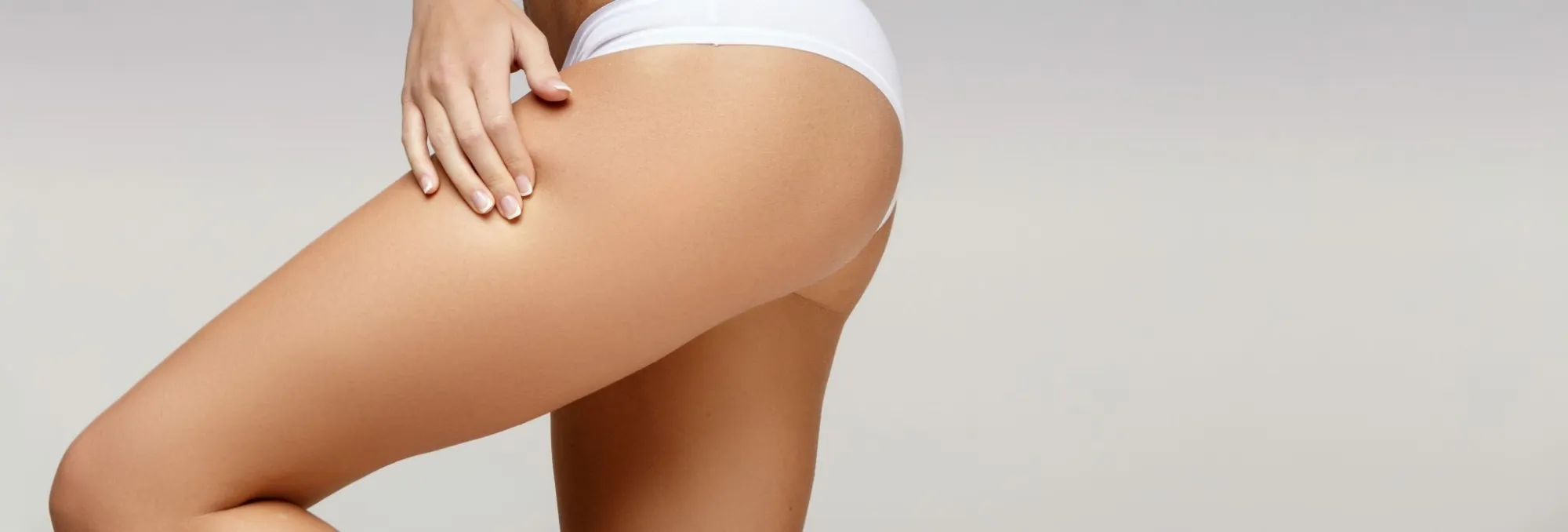
Yes, liposuction of the thighs acts in a circular fashion, so the result is visible whether standing or sitting.. This aesthetic consistency is particularly important in the case of saddlebags, which can form more visible lumps when seated. Dr. Djian uses fine, regular cannulas to ensure even fat removal and limit postural irregularities.
Yes, liposuction of the thighs is indicated even in slim patients with localized lipomerias. Saddlebags can persist despite a healthy diet and exercise. Dr. Djian offers gentle liposuction, adapted to low volumes and thin skin, to harmonize the silhouette without creating waves or skin irregularities. The goal is natural, targeted slimming.
No, no specific diet is necessary after thigh liposuction, but a stable lifestyle is essential to maintain the result.. Dr. Djian recommends avoiding major weight variations that could alter body harmony. Removed fat cells do not return, but others may swell if excessive weight is gained. A balanced diet is all that's needed to make the procedure last.
Not immediately, but after a week, heels can generally be worn if walking remains moderate. Dr Djian advises avoiding any postural imbalance in the first few days, especially if several areas (thighs + knees + hips) have been treated simultaneously. The support panty should be worn for 3 to 4 weeks., This includes prolonged standing to avoid swelling.