
fb Risk of breast augmentation: what you need to know
Dr Jérémy Djian, 5 Square Thiers , 75016
menu close
Appointment appointment

Surgery

Breast augmentation risks: mistakes to avoid for optimal results

published on 24.03.2025 by Dr. Djian
<noscript><img width=
Summary
  • WHAT ARE THE POSSIBLE POST-OPERATIVE COMPLICATIONS?
  • HOW TO MINIMIZE THE RISK OF POST-OPERATIVE COMPLICATIONS?
  • FOCUS ON RETURNING TO WORK AFTER BREAST SURGERY
  • CONCLUSION
In short
  • A thorough preparation and the strict adherence to post-operative care considerably reduce the risks associated with breast augmentation. The resting phase in the first few weeks is crucial to avoid complications and touch-ups.
  • Possible complications include hematoma, infection, poor healing, capsular shell, asymmetry or phlebitis. They remain rare if Dr. Djian's instructions are carefully followed.
  • The choice of surgeon is essential: a practitioner qualified in plastic surgery, such as the Dr Jérémy Djian, guarantees safe care, post-operative support and controlled results.
  • To prevent complications, you need to avoid smoking, maintain a good hygiene, wear a medical bra for 4 to 6 weeks, and do not resume sport only after 6 weeks minimum.
  • A regular medical check-ups (annual ultrasound or MRI) allows us to monitor the condition of implants and intervene rapidly in the event of any anomaly, thus ensuring the safety of the implant. safety and durability of the aesthetic result.

Every surgical procedure has its risks, and breast augmentation is no exception. To minimize risks associated with breast augmentation, This starts with meticulous preparation and appropriate care after surgery. Learn how to optimize your recovery with Dr. Djian's advice and discover the post-operative care and advice indispensable.


WHAT ARE THE POSSIBLE POST-OPERATIVE COMPLICATIONS?


Possible side effects after breast augmentation vary from case to case. Here's a look at some possible, but fortunately not systematic, problems.


HEMATOMA AND POST-OPERATIVE BLEEDING


A hematoma occurs when a vessel bleeds into the operated area. This can cause painful swelling. This risk is highest in the first 24 to 48 hours. To prevent it, it is essential to post-operative rest. Surgeon Jérémy Djian often drains the accumulated blood to avoid any serious complications. The drain is then removed before you return home, on the same day.


POST-OPERATIVE INFECTION


Symptoms include fever, pain and redness around the scar. When in doubt, it's crucial to seek medical advice. Antibiotics are often effective. To reduce this risk, follow rigorous hygiene and avoid touching the operated area. Strict standards of surgical hygiene and post-operative care considerably minimize the risk of infection after breast augmentation.


ABNORMAL SCARRING AND CHELOIDS


Scarring varies from person to person. Some patients develop keloids thick, painful scars. Poor hygiene or excessive tension on the scar can aggravate the situation. Use specific creams prescribed by Dr. Djian and wear an appropriate bra to avoid abnormal scarring.


CAPSULITIS (CAPSULAR CONTRACTURE)


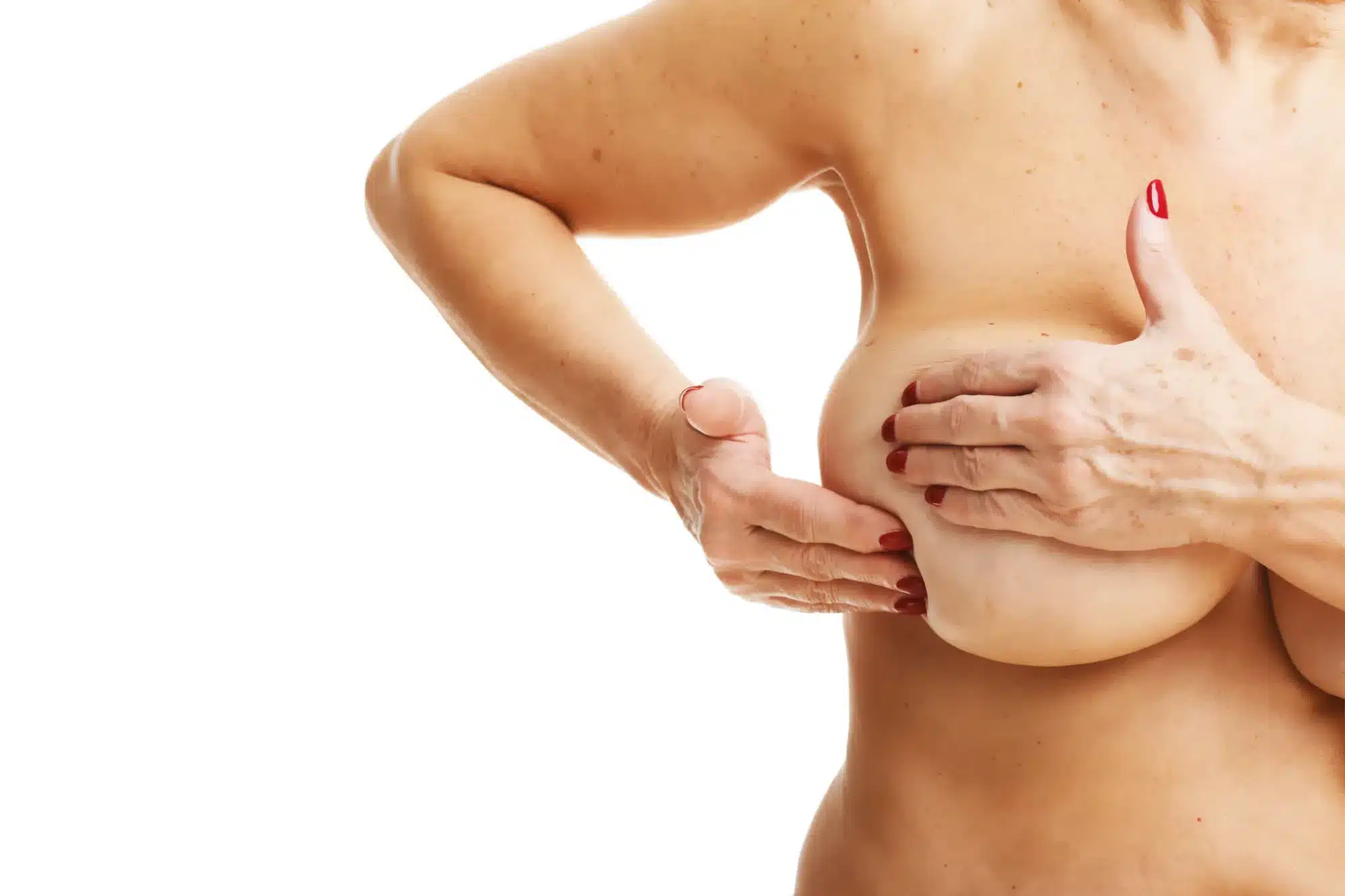
The risk of shell after breast augmentation, also known as capsular contracture, occurs when scar tissue surrounds the implant. This can lead to pain and breast deformity. To prevent this problem, it is essential to massage the area regularly, as recommended by the surgeon. In the event of severe contracture, reoperation may be necessary.


Massage techniques to prevent capsulitis


Gentle circular massage :


  • Place your hands on the top of the breast.
  • Use clockwise and counter-clockwise circular movements.
  • Massage each breast for 2 to 3 minutes, twice a day.


Vertical compression :


  • Apply light pressure to the top of the breast with your hands.
  • Gently push the breast downwards, then release.
  • Repeat this movement 5 to 10 times per session.


Lateral mobilization :


  • Place one hand on either side of the breast.
  • Gently move the breast from left to right, then up and down.
  • Massage for 1 to 2 minutes, morning and evening.


These massages should be performed only after approval by the surgeon, usually 2 weeks after the operation. Stop immediately if pain or discomfort occurs.


BREAST ASYMMETRY OR DEFORMITY


Asymmetry may occur due to poor healing or implant displacement. This complication may require a touch-up operation. For this reason, avoid physical exertion for the first few weeks post-operatively.


RISK OF PHLEBITIS


Breast augmentation and the risk of phlebitis is also a rare but potentially serious complication for some patients. This involves the formation of blood clots, often in the legs. To reduce this risk, follow your surgeon's recommendations to the letter:

  • Stop taking the contraceptive pill at least one month before the operation,
  • Wearing compression stockings
  • Early rising after surgery.


RISK OF FOLDS OR WAVES ON THE BREAST


Ripples or folds in the breasts are complications frequently observed in patients with a slender morphology and large-volume breast implants. This phenomenon is more frequent with saline-filled prostheses than those containing cohesive silicone gel. To deal with this problem, several solutions can be envisaged: opting for smaller implants, positioning them behind the pectoral muscle, or preferring high-cohesion silicone gel prostheses. Dr. Djian suggests silicone implants only to ensure a more harmonious, natural result.


THE APPEARANCE OF STRETCH MARKS


This can happen when the implant is too large for the elasticity of the skin. That's why it's important to aim for a natural result, without excess. Dr. Jérémy Djian will advise you on the size of prosthesis best suited to your needs, your morphology and the elasticity of your skin.


HOW TO MINIMIZE THE RISK OF POST-OPERATIVE COMPLICATIONS?


Precautions before and after the procedure can help reduce the post-operative risks following breast augmentation. Here are the best practices to follow.


CHOOSING THE RIGHT SURGEON: A GUARANTEE OF SAFETY


The choice of surgeon has a direct influence on the risks associated with breast augmentation. Choose a professional certified in plastic and reconstructive surgery. Consult online reviews and ask for before-and-after photos of the results. Visit Docteur Djian, plastic surgeon in Paris, He will be able to assess your expectations and inform you transparently about the specific risks and how to avoid them. He or she will also be on hand to support you after the operation, which is not always the case for breast augmentations carried out abroad.


SCRUPULOUSLY FOLLOW POST-OPERATIVE RECOMMENDATIONS


It's essential to follow your doctor's instructions regarding medication and care. Take any antibiotics prescribed to prevent infection, and avoid strenuous physical activity for at least a month.


REST, REST AND MORE REST!


Don't underestimate your abilities! After breast augmentation surgery, it's essential to give your body time to recover. You should therefore reduce all physical activity for the first few weeks, and avoid movements that require you to raise your arms above your head (e.g. drying your hair with a hairdryer, storing objects at height, carrying a child...).


ADOPTING AN ADAPTED LIFESTYLE


Stop smoking before and after surgery to promote healing.
A balanced, vitamin-rich diet will help your body heal quickly. Finally, avoid inflammatory foods and keep well hydrated to limit complications.


FOCUS ON RETURNING TO WORK AFTER BREAST SURGERY


A gradual recovery of activities promotes optimal recovery while avoiding complications.


PHYSICAL ACTIVITY: WHEN AND HOW TO RESUME?


Resuming sport too soon may lead to implant deformation or pain. Avoid strenuous exercise for at least 6 weeks. Choose gentle activities such as walking to improve blood circulation and prevent the risk of phlebitis.


HOW LONG TO WEAR A BRA AFTER BREAST AUGMENTATION?


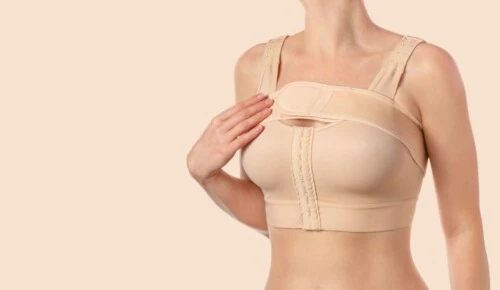
A medical bra should be worn day and night for 4 to 6 weeks. This device helps keep the implants in place and prevents tension on the scars. Choosing the right model is crucial to minimize complications. Ask Dr. Djian for advice.


CONCLUSION


Proper preparation and post-operative care considerably reduce the risk of complications. risks associated with breast augmentation.

Rely on Dr Djian for a secure approach tailored to your needs.

Your Questions

FREQUENTLY ASKED QUESTIONS ABOUT BREAST AUGMENTATION AND ITS RISKS

CAN ALL POST-OPERATIVE COMPLICATIONS BE PREVENTED?

more less

No, there is no such thing as 0 risk, but it can be reduced with a qualified surgeon, good hygiene, compliance with post-operative instructions and rigorous medical follow-up.

IS PAIN NORMAL AFTER BREAST SURGERY?

more less

Yes, moderate pain is common and diminishes gradually over time. It is manageable with prescribed analgesics. On the other hand, intense or persistent pain should be reported to your surgeon immediately.

WHAT IS THE LIKELIHOOD OF HAVING TO REMOVE OR REPLACE BREAST IMPLANTS?

more less

Implants are not designed to last a lifetime. Replacement or removal is often necessary after 10 to 15 years, depending on the condition of the prostheses, or in the event of rare complications, such as rupture or capsular contracture.

WHAT ARE THE SIGNS OF BREAST IMPLANT RUPTURE?

more less

Signs may include changes in breast shape, asymmetry or pain. For silicone implants, rupture may be asymptomatic, requiring diagnosis by MRI or ultrasound.

CAN CAPSULAR CONTRACTURE BE DETECTED BEFORE IT BECOMES PAINFUL?

more less

Yes, early signs include a feeling of firmness or a slight deformation of the breast. Regular monitoring by your surgeon will help to identify and treat any capsular contracture as soon as possible.

WHAT MEDICAL EXAMINATIONS SHOULD BE CARRIED OUT AFTER BREAST AUGMENTATION TO ENSURE THAT THERE ARE NO COMPLICATIONS?

more less

Annual follow-up is recommended. Ultrasound or MRI may be necessary to check the condition of the implants, in particular to detect silent ruptures or abnormalities such as capsular contracture.

HOW LONG DOES IT TAKE TO HEAL COMPLETELY?

more less

Approximately 6 to 12 months. The skin heals in a few weeks, but scars take several months to mature. Protect them from the sun and follow the post-operative recommendations given by Dr. Djian, Plastic Surgeon.

WHAT SHOULD YOU DO IF YOU SUSPECT INFECTION?

more less

Consult your surgeon immediately. Watch for redness, heat, swelling or abnormal discharge. Prompt treatment, often with antibiotics, is essential to avoid serious complications.

WHAT IF THE RESULTS DON'T MATCH EXPECTATIONS?

more less

Discuss this openly with Dr. Djian. A touch-up may be considered once healing is complete. The surgeon will evaluate the options for correcting any imperfections or complications.

DO BREAST IMPLANTS REQUIRE SPECIAL CARE OVER TIME?

more less

Implants require regular monitoring with medical checks to verify their condition. Avoid strong shocks or pressure on the chest. If in doubt, consult your surgeon for a rapid diagnosis.

What did you think of this article?

Rate it !

Average Rating 5 / 5. Number of Votes 4

No votes yet, be the first to rate this article.

Dr. Jérémy Djian
Dr. Jérémy Djian

Dr Jérémy Djian is a plastic surgeon based at 5 square Thiers, near the Victor Hugo roundabout, in the 16th arrondissement of Paris.

He trained in Paris and remains attached to the hospital in the prestigious department of Pr Laurent Lantieri.


Going further
THESE ITEMS CAN
IN THESE SECTIONS
Your Questions
ASK YOUR QUESTIONS
TO DR. DJIAN