fb UrgoTouch Laser: Treatment of Post-Surgical Scars
Dr Jérémy Djian, 5 Square Thiers , 75016
Surgery

UrgoTouch Laser: Optimizing Wound Healing Right in the Operating Room

Published and scientifically verified by Dr Djian on 16/08/2026
UrgoTouch Laser: Optimizing Wound Healing Right in the Operating Room
Summary
  • Why is the outcome of a surgical scar still unpredictable?
  • Understanding the 5 Stages of Natural Wound Healing
  • How does the UrgoTouch laser work?
  • UrgoTouch Laser: What Clinical Studies Show
  • For which procedures does Dr. Djian recommend the UrgoTouch laser?
  • What are the benefits of the UrgoTouch laser?
  • The cost of the Urgo Touch laser treatment
  • After UrgoTouch Laser Treatment: Care to Optimize Healing
  • UrgoTouch Laser: A Simple Procedure for Long-Lasting Results
In short
  • The UrgoTouch laser acts on the inflammatory phase, immediately after surgical suturing.
  • This technology promotes volume reduction and scar roughness.
  • The treatment, performed under anesthesia, does not extend the duration of the procedure.
  • It is suitable for all skin types, including dark skin types.
  • Dr. Djian offers this treatment as a complement to his cosmetic surgery services in Paris.

A good-looking scar is never guaranteed, even in the hands of the best professional. Suturing is only part of the equation: what happens next, in the weeks following surgery, depends on a largely unpredictable biological process. The UrgoTouch laser was designed to regain some control over this element of uncertainty by intervening as early as possible: in the operating room, even before the patient wakes up.

Dr. Djian, plastic surgeon in Paris, offers this treatment as a complement to its cosmetic and reconstructive surgery procedures. Learn how it works, the benefits of this procedure, and for which surgeries it is most appropriate.

Urgotouch Scars, Dr. Djian


Why is the outcome of a surgical scar still unpredictable?


Three distinct factors determine the final appearance of a scar, and only one of them actually depends on the surgeon.

  • The suturing technique. The surgeon has complete control over the procedure: the type of stitches, the closure technique, and the tension applied. Careful work minimizes risks, though it cannot eliminate them entirely.
  • Patient care. Keeping the area moisturized, wearing compression garments, using sunscreen, and quitting smoking: these are effective strategies, but they only affect the late phase of wound healing, once the wound has already closed.
  • The unique biology of each skin type. This is the factor that everyone overlooks. Two patients who undergo surgery under identical conditions, performed by the same surgeon, may heal very differently. Certain indicators suggest a trend—such as a previous scar that has faded well or no history of hypertrophic or keloid scars—but nothing can predict the outcome with certainty before surgery.


«A well-performed surgical suture is essential, but it is not enough to ensure a good-looking scar.» Dr. DJIAN


Several factors increase this risk: a dark skin type, long-term use of corticosteroids, uncontrolled diabetes, or smoking, which significantly impairs the healing process.

The area being operated on also makes a huge difference: the arms, thighs, and back generally heal less well than other parts of the body because skin tension is greater there and movement is more frequent; this is particularly true after a body contouring surgery, where the stretched skin is under particular strain.

It is precisely this third factor—the biological process, which until now has been out of reach—that the UrgoTouch laser was designed to target.


Understanding the 5 Stages of Natural Healing


To understand the importance of this treatment, we must first understand what happens in the skin after an incision. The healing process follows five successive stages, which together take 12 to 24 months to complete before the scar reaches its final appearance:

  • Hemostasis: In the minutes following suturing, coagulation closes the wound.
  • Inflammation (0 to 3 days) : Blood vessels release compounds that trigger localized swelling; the body cleanses the area and begins cellular repair by removing dead tissue, bacteria, and any foreign bodies.
  • Proliferation (1 to 3 weeks) : New collagen fibers form to rebuild the damaged tissue; the wound appears to close. The scar remains fragile.
  • Aging (3 to 6 months) : the longest of the five stages: the collagen reorganizes itself, and the scar gradually fades and softens.
  • Recovery (6 to 12 months) : The scar continues to fade and gradually clear up. The skin becomes stronger and smoother.


It is the course of the inflammation that largely determines what happens next. If the inflammatory response is excessive or poorly regulated, the body produces too much type I collagen (thick and rigid) at the expense of type III collagen, which is thinner and more elastic and gives subtle scars their suppleness. This imbalance is what causes raised, thick, or hypertrophic scars.


How does the UrgoTouch laser work?


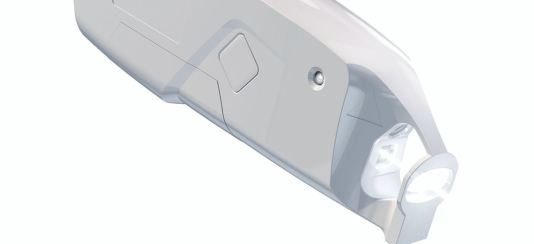
The UrgoTouch laser delivers a controlled heat, around 50 °C, on the suture thread. This heat activates a protein that is naturally present in the body, the HSP70 heat shock protein, whose role is to ensure the proper assembly of proteins during situations of cellular stress—which includes wound healing.

Research suggests that the activation of this protein modulates the inflammatory response and restores balance to collagen production in favor of Type III scarring, which results in a thin, supple scar rather than a thick, fibrous one. By intervening during the inflammatory phase—when the outcome is determined—the laser aims to reduce the element of biological uncertainty rather than correct a scar that has already formed.


When and how is the UrgoTouch laser used?


dr djian urgotouch laser scar treatment

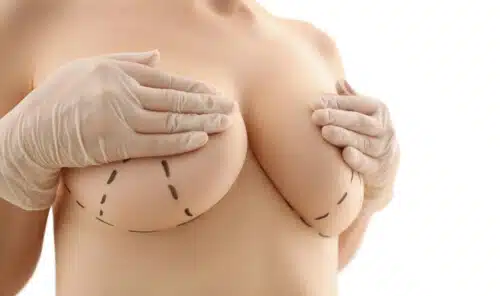
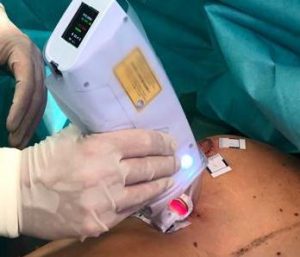
Treatment of breast lift scars by Dr. Djian in the operating room.


The treatment takes place in a single application, at the very end of the surgery, while the patient is still under anesthesia. The surgeon positions a guide that is tailored to the length of the scar along the suture line, and then the laser scans the area at a speed of about 10 to 12 seconds per centimeter. The procedure is completely painless, since it takes place before the patient wakes up, and requires no additional steps in the days that follow.

The UrgoTouch Laser It can be used on all skin phototypes, from I to VI (from very fair to dark skin), making it a suitable option regardless of the patient’s skin type, whereas the risk of unsightly scarring is actually higher in darker phototypes.


UrgoTouch Laser: What Clinical Studies Show


The effectiveness of the UrgoTouch handheld laser was the subject of a randomized controlled trial published in the’Journal of Aesthetic Plastic Surgery (Casanova et al., 2017), with follow-up of patients for one year after a scar from a breast reduction. The reported results show a reduction in scar volume of up to 53 %, an average reduction of 17 % in skin roughness at the scar site, and a unanimous preference among independent evaluators for the treated scars over the control scars.

To date, tens of thousands of patients have undergone this treatment in France, and it is now offered by several hundred cosmetic and plastic surgeons. No complications or notable side effects have been reported when the protocol is followed; however, the device is contraindicated for use on mucous membranes and is not recommended for use on the face.


For which procedures does Dr. Djian recommend the UrgoTouch laser?


The UrgoTouch technology is recommended for any surgery that leaves a scar, but it is particularly indicated when the incision is long or subject to significant skin tension:

During the consultation, Dr. Djian evaluates the skin type, the history of wound healing and the nature of the intervention intended to determine whether this treatment is appropriate for you.


What are the benefits of the UrgoTouch laser?


  • Technical patented and unique in France
  • Effectiveness Proven and scientifically recognized in a single session
  • Technical safe and safe
  • Method painless
  • Suitable for all skin types (I–IV)

urgotouch breast lift result dr djian

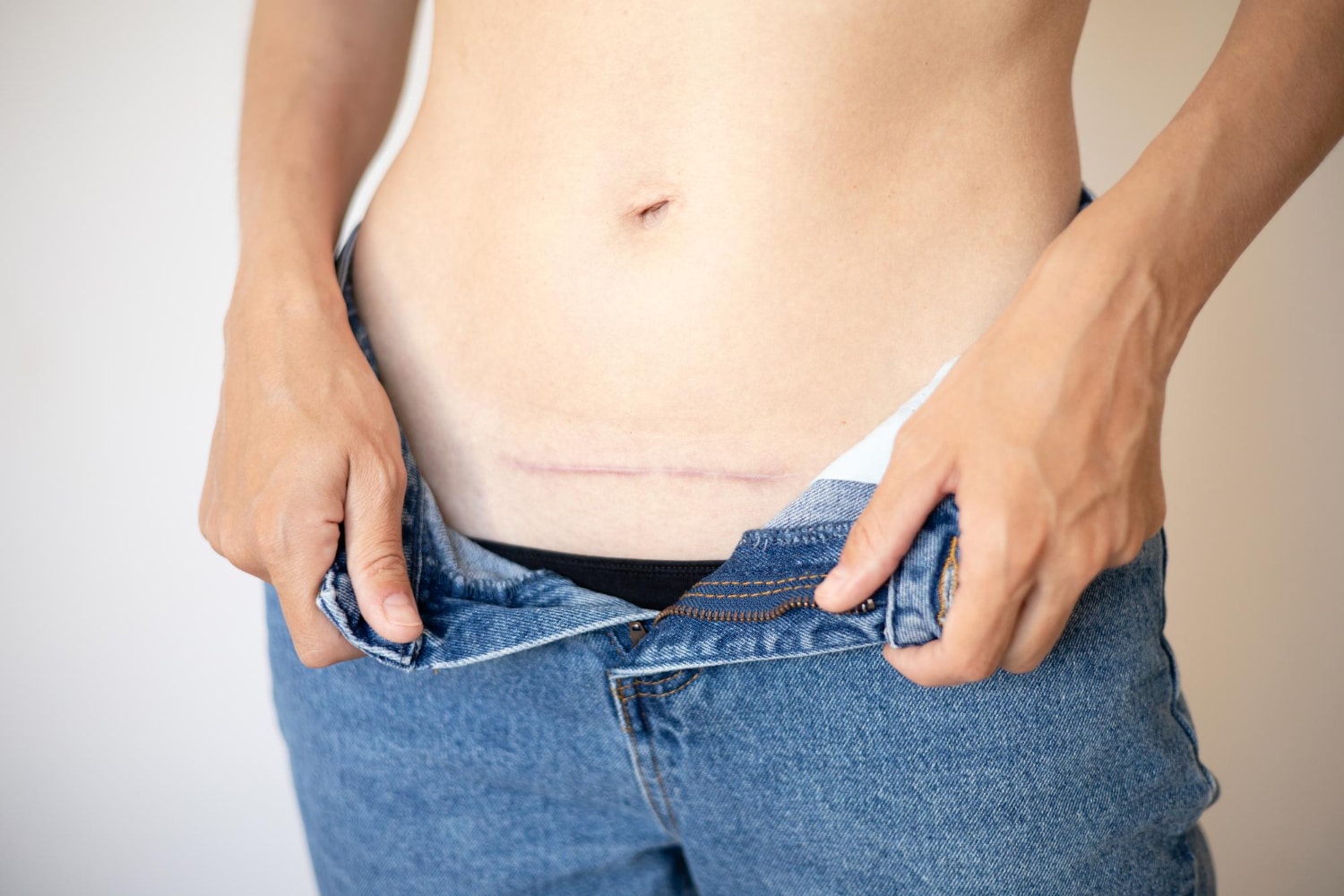
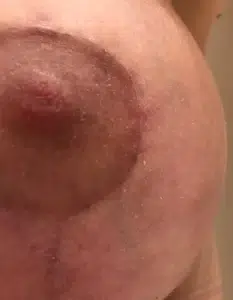
Appearance of a scar 1 month after treatment with the Urgotouch laser


The cost of the Urgo Touch laser treatment


Fees charged by Dr. Djian
UrgoTouch Laser Treatment Cosmetic Surgery (All Taxes Included*)starting at 1,000 euros

The rate depends on the length of the scar to be treated, since the surgeon uses a specialized device whose size is proportional to that of the scar. A small skin excision will therefore cost significantly less than a tummy tuck or a breast lift. The procedure is performed in additional costs associated with the surgical procedure during the same surgery; no additional sessions or visits are necessary.

We will provide you with a detailed estimate during your consultation, based on the nature of your service.


After UrgoTouch Laser Treatment: Care to Optimize Healing


The UrgoTouch laser acts on the earliest stage of wound healing, but the post-operative care remain essential to supporting the rest of the process:

  • Moisturize Apply a healing cream to the scar daily, as soon as the surgeon's post-operative instructions allow.
  • Massage Gently massage the area once the scabs have fallen off to soften the skin.
  • Avoid exposure to the sun and protect Systematically protect the sun-damaged skin for 12 to 24 months (using broad-spectrum sunscreen or wearing protective clothing) until it has fully healed.
  • Avoid the tobacco and limit alcohol in the weeks following the surgery.
  • Avoid physical exertion intense pain and strain on the operated area during the first few weeks.


UrgoTouch Laser: A Simple Procedure for Lasting Results


The UrgoTouch laser addresses a factor that surgery alone could not control: the element of biological uncertainty in the healing process. Administered in a single session in the operating room, without any additional procedures or movements, it acts as early as the inflammatory phase to promote a thin, supple scar, regardless of skin type.

Published clinical data confirm a measurable improvement in scar appearance at one year.

If you're preparing for a procedure and want to promote healing right from the start, be sure to discuss this at your next appointment with the Dr Djian so that he can give you more information about this technique.


Official Urgotouch website

Your Questions

Frequently Asked Questions About the UrgoTouch Laser

How do I request the UrgoTouch laser option during the preoperative consultation?

more less

Simply mention your desire to optimize the appearance of your scar during your first consultation with Dr. Djian. The surgeon will assess your skin type and the planned procedure to confirm the feasibility of this personalized treatment. The protocol will then be incorporated into your surgical plan to ensure a smooth process on the day of your procedure. Feel free to mention the technology UrgoTouch laser during your personalized consultation to receive a detailed quote.

Is the UrgoTouch laser covered by Social Security or health insurance?

more less

Since this is a treatment designed to improve the appearance of the scar, the technology is not covered by Social Security. However, some supplemental health insurance plans may cover part of the costs associated with procedures not listed in the standard fee schedule if the procedure is reconstructive surgery. You should check with your supplemental health insurance provider using the estimate provided. Request a detailed estimate to submit to your supplemental health insurance provider.

What do patients say about the effectiveness of the UrgoTouch laser?

more less

The vast majority of patients emphasize the treatment comfort, which doesn't add no pain postoperative, since it is performed under anesthesia. Feedback highlights finer scars, more flexible and a more rapid resolution of the erythematous phase (redness). According to clinical studies, the improvement in the scar index ranges on average from 36 % to 53 %.

Can the UrgoTouch laser be used on an old scar?

more less

No, the protocol is based on an application on freshly sutured skin, under strict medical supervision. In the case of a mature or old scar, the healing process has already been completed, and the laser will no longer have a beneficial thermal effect on the collagen fibers. For an old scar, other alternatives, such as fractional CO2 laser treatment or injections, will be recommended.

Are there any specific contraindications for using the UrgoTouch laser?

more less

The procedure has very few contraindications; the main one is an active skin infection in the incision area. It is also not recommended for patients with a history of severe, uncontrolled keloid scarring or serious connective tissue disorders. A review of your medical history will help determine your eligibility safely. Please ask your practitioner any medical questions you may have during your preoperative appointment.

Is the UrgoTouch laser treatment painful?

more less

The app is totally pain-free for the patient because it is performed at the very end of the surgical procedure, while the anesthesia (general or local) is still taking effect. When you wake up, you will not experience any additional pain related to the laser treatment. The immediate postoperative experience is identical to that of standard surgery, with no added discomfort.

Can the UrgoTouch laser completely remove a surgical scar?

more less

No medical or surgical techniques cannot completely remove a surgical scar at 100 %. However, the technology UrgoTouch laser significantly reduces its visible appearance by improving its texture, color, and smoothness. The mark thus becomes much less noticeable and blends seamlessly with the rest of your skin.  

How many sessions are needed?

more less

Just one. Unlike other laser treatments, UrgoTouch requires only a single application, performed in the operating room

Can the Urgotouch laser be combined with other scar treatments?

more less

Yes. It is applied at the very beginning of the process, in the operating room. Conventional care (creams, silicone dressings, massages) remains useful afterward, once primary healing has begun, and is tailored on a case-by-case basis depending on how the scar heals.

What did you think of this article?

Rate it !

Average Rating 4.7 / 5. Number of Votes 43

No votes yet, be the first to rate this article.

Dr. Jérémy Djian
Dr. Jérémy Djian

Dr Jérémy Djian is a plastic surgeon based at 5 square Thiers, near the Victor Hugo roundabout, in the 16th arrondissement of Paris.

He trained in Paris and worked on the team of Professor Laurent Lantieri, a leading authority on face transplant surgery.


Going further
THESE ITEMS CAN
IN THESE SECTIONS
Your Questions
ASK YOUR QUESTIONS
TO DR. DJIAN
Mohcha
04.08.2024

Hello, can I do the urgotouch laser on D+1 instead of D-D?

answer
Dr Djian

Hello, ma'am,
Unfortunately no, the laser is used during surgery, it's a surgical laser, not a dermatological one,
Yours sincerely,
Dr Djian

Jérémy Djian
On 30.03.2022

Hello,

you should be examined to assess the possibilities,
however, there is always a risk of reusing a scar that has already formed a keloid.

Kind regards