


fb Dermatochalasis, treat excess eyelid skin
Dr Jérémy Djian, 5 Square Thiers , 75016
menu close
Appointment appointment

Surgery

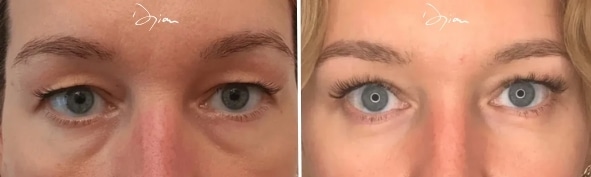
Dermatochalasis: definition, causes and treatment of excess eyelid skin.

published on 10.03.2026 by Dr Djian
<noscript><img width=
Summary
  • WHAT IS DERMATOCHALASIS? WHAT IS DERMATOCHALASIS?
  • DERMATOCHALASIS SYMPTOMS: HOW TO RECOGNIZE EXCESS SKIN?
  • WHAT CAUSES DERMATOCHALASIS AND WHAT ARE THE RISK FACTORS?
  • TREATMENT OF DERMATOCHALASIS: BLEPHAROPLASTY OR EYELID SURGERY
  • REDISCOVERING OPEN EYES: TAKING THE STEP TO DERMATOCHALASIS CONSULTATION
In short
  • The ophthalmological diagnosis distinguishes the dermatochalasis a ptosis.
  • Dermatochalasis treatment consists of remove excess skin and fat surgically.
  • Blepharoplasty in Paris is a procedure performed under local anesthesia in a specialized clinic in Paris.
  • This effective surgical procedure corrects sagging skin for eliminate eye strain of the patient concerned.
  • This operation in ambulatory offers a sustainable solution to heavy eyelids related to aging.

Do your eyelids feel heavy to the point of strain your eyes and’hinder your vision on a daily basis? Dermatochalasis is a common medical condition, often characterized by a excess tissue on the upper eyelid. This sagging skin age-related can lead to a real amputation of your functional visual field.

In this article, our specialist Dr Djian, explains the ophthalmological diagnosis, causes such as the aging or the’sun exposure, and the blepharoplasty technique. Find out how surgery performed under local anesthesia can remove excess skin and fat to restore the appearance of your eyes.

We strongly advise you to consult a medical professional to assess the degree of palpebral damage. To begin with, let's look at the definition of this pathology.


WHAT IS DERMATOCHALASIS? WHAT IS DERMATOCHALASIS?


CHANGES IN EYE STRUCTURE LINKED TO SKIN AGING


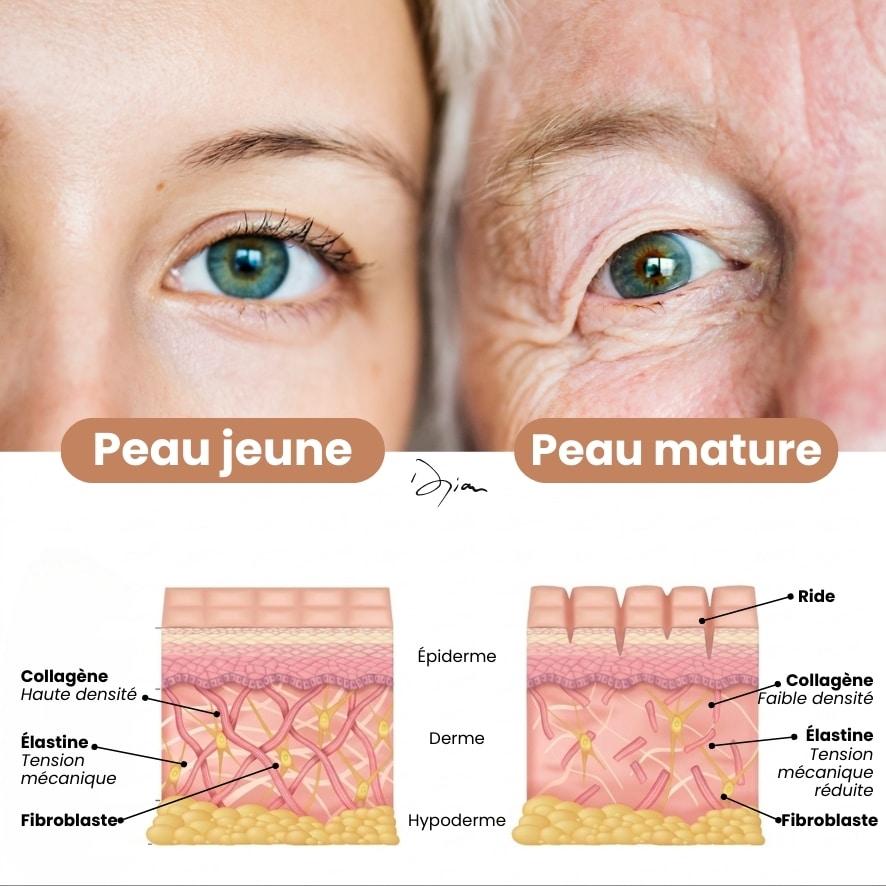
Young vs. mature skin


Dermatochalasis is not just a simple excess surface skin ; it's the result of a cascade of internal biological changes that alter the architecture of your eyes. To fully understand why the eyelid droops, we need to look at what's going on beneath the dermis:

  • Collagen and elastin degradation: with age, production of these support proteins drops. Visit collagen, which ensures resistance, fragments, while elastin loses its natural resilience. The skin, which has become less elastic, can no longer retract and is subject to gravity.
  • Loss of hyaluronic acid: this essential component captures water to maintain tissue volume. Its rarefaction leads to a loss of internal density, giving the skin a crumpled, thinned appearance. upper eyelid.
  • Relaxation of the orbital septum: This thin internal membrane acts as a «bulwark» to keep fat in place around the eye. When it weakens, the orbital fat pushes forward, creating fatty hernias that visually weigh down the look.
  • Bone and muscle resorption: The bony framework of the orbit tends to widen slightly over time, while the orbicularis muscle becomes thinner. These changes modify the skin's anchoring points, favoring overall sagging of the eyebrow area.

Some people notice this early onset, sometimes in their thirties, due to a specific genetic heritage.

A clinical examination carried out by a specialist can quantify this excess skin and fat and suggest an appropriate correction strategy.


A specific question


THE DIFFERENCE BETWEEN DERMATOCHALASIS AND PTOSIS: HOW TO TELL THEM APART?


There is often confusion between the dermatochalasis and the ptosis, Yet these two conditions differ completely in their underlying mechanisms. During your consultation in Paris, the plastic surgeon Dr Djian will assess, among other things, the position of the free edge of the eyelid in relation to the pupil to make the right diagnosis.


DERMATOCHALASIS: EXCESS SKIN TISSUE


Dermatochalasis is a condition characterized by a excess of skin that slides and falls onto the lashes, creating an unsightly fold and a drooping eyelid. In this case, the eyelid muscle functions perfectly, but it is masked by a excess heavy fabric.

To use a simple metaphor, imagine a theater curtain whose fabric has become too long: when you activate the mechanism, the bar rises, but the excess velvet continues to hang down and obstruct the stage. The solution is simply to remove the excess fabric.


PTOSIS: FAILURE OF THE LEVATOR MUSCLE


Conversely, the ptosisor palpebral ptosis, corresponds to a drooping of the upper eyelid margin, which descends too low over the eye. This problem results from a failure or stretching of the eyelid's levator muscle.

If we take up the image of the curtain, it's as if motor or cables of the curtain were broken. The fabric is the right length, but the mechanism no longer has the strength to lift it. Reducing the fabric would be pointless. repairing the engine or re-tensioning cables (the muscle) to open the eyes.

Distinguishing between the two pathologies is crucial to the choice of surgical procedure, as it determines whether to act on the skin envelope or on the eyelid muscle.


DERMATOCHALASIS SYMPTOMS: HOW TO RECOGNIZE EXCESS SKIN?


IMPACT ON PERIPHERAL VISION AND VISUAL FIELD


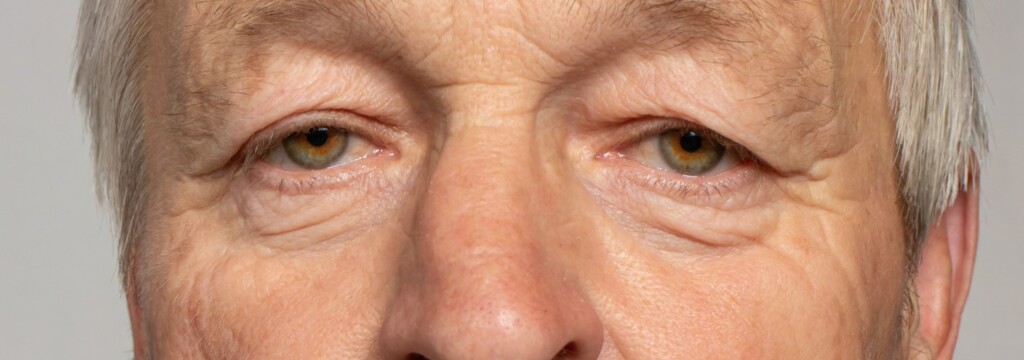
Dermathocholasis Homme


One of the most incapacitating symptoms is the reduced upper and lateral field of view. When the excess skin becomes too great, it crosses the lash line and conceals the skin. the upper part of the vision. The patient then feels a real functional discomfort, It's as if he's always wearing a cap visor that's too low.

This visual obstruction causes eye fatigue especially at the end of the day. Simple activities such as reading, driving or working on a screen become laborious as the eye struggles against this constant weight.

In advanced stages, we speak of’amputation of the upper visual field, A condition that can impact patient safety.


FOREHEAD WRINKLES AND RAISED EYEBROWS: A COMPENSATORY SIGN OF DERMATOCHALASIS


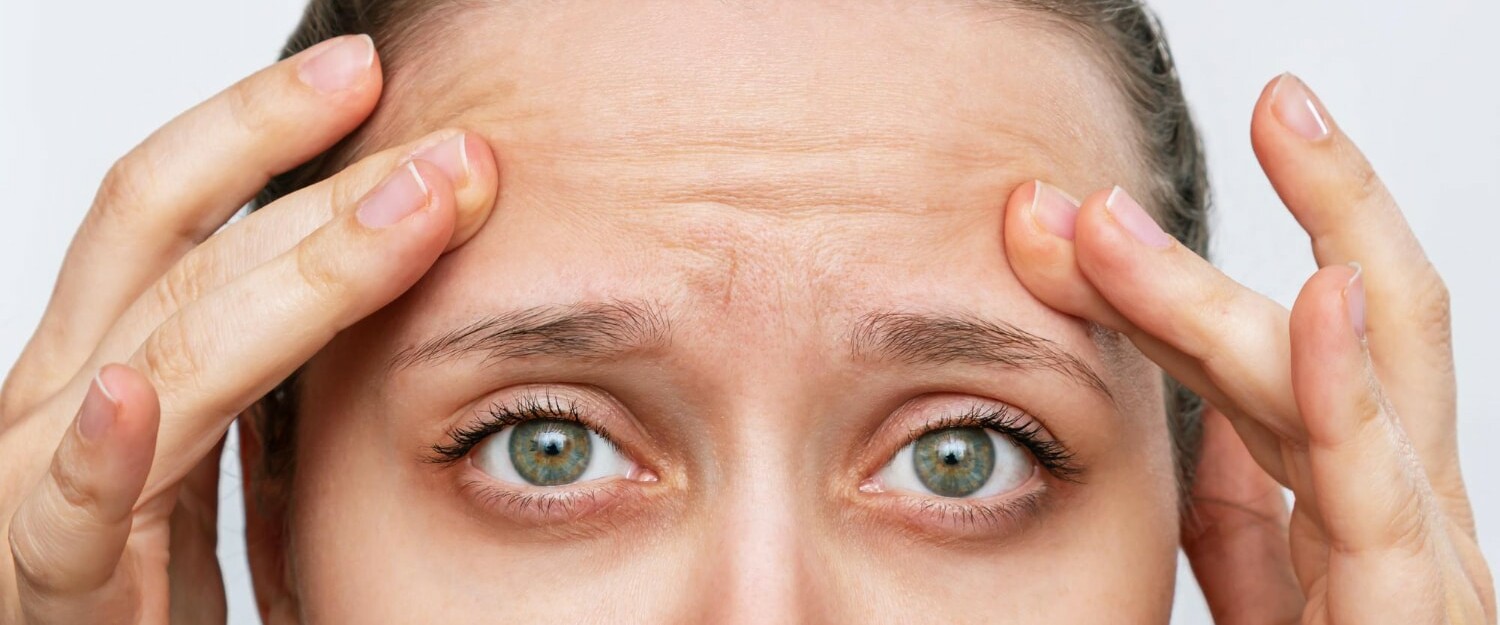
Forehead wrinkles


To counteract the sensation of heaviness, the body sets up a instinctive compensation mechanism. The patient puts excessive strain on his forehead muscle to raise eyebrows and thus mechanically «lift» the skin that obstructs his vision. This permanent gesture ends up mark the top of the face indelibly.

The appearance of deep horizontal wrinkles on the forehead is often the direct consequence of untreated dermatochalasis.

Using botulinum toxin in this precise context is a risk: relaxing the forehead eliminates the compensatory effort, which can aggravate eyelid droop and visual discomfort. In such cases, surgical treatment of dermatochalasis is the only logical response.


SKIN COMPLICATIONS: IRRITATION, REDNESS AND GROWTHS


Theaccumulation of skin in the upper palpebral crease creates an environment conducive to dermatological complications. Stagnant moisture between the skin folds can lead to a chronic inflammatory phenomenon, like the seborrheic dermatitis or intertrigo. The skin then becomes red, irritated and sometimes painful.

The incessant rubbing of the skin tissue against itself also promotes’appearance of small benign tumors like papillomas or the acrochordons. These growths, although harmless, add to the unsightly appearance and can be irritated by contact with eyelashes or when cleaning the eyes.

A upper blepharoplasty eliminates these areas of friction.


WHAT CAUSES DERMATOCHALASIS AND WHAT ARE THE RISK FACTORS?


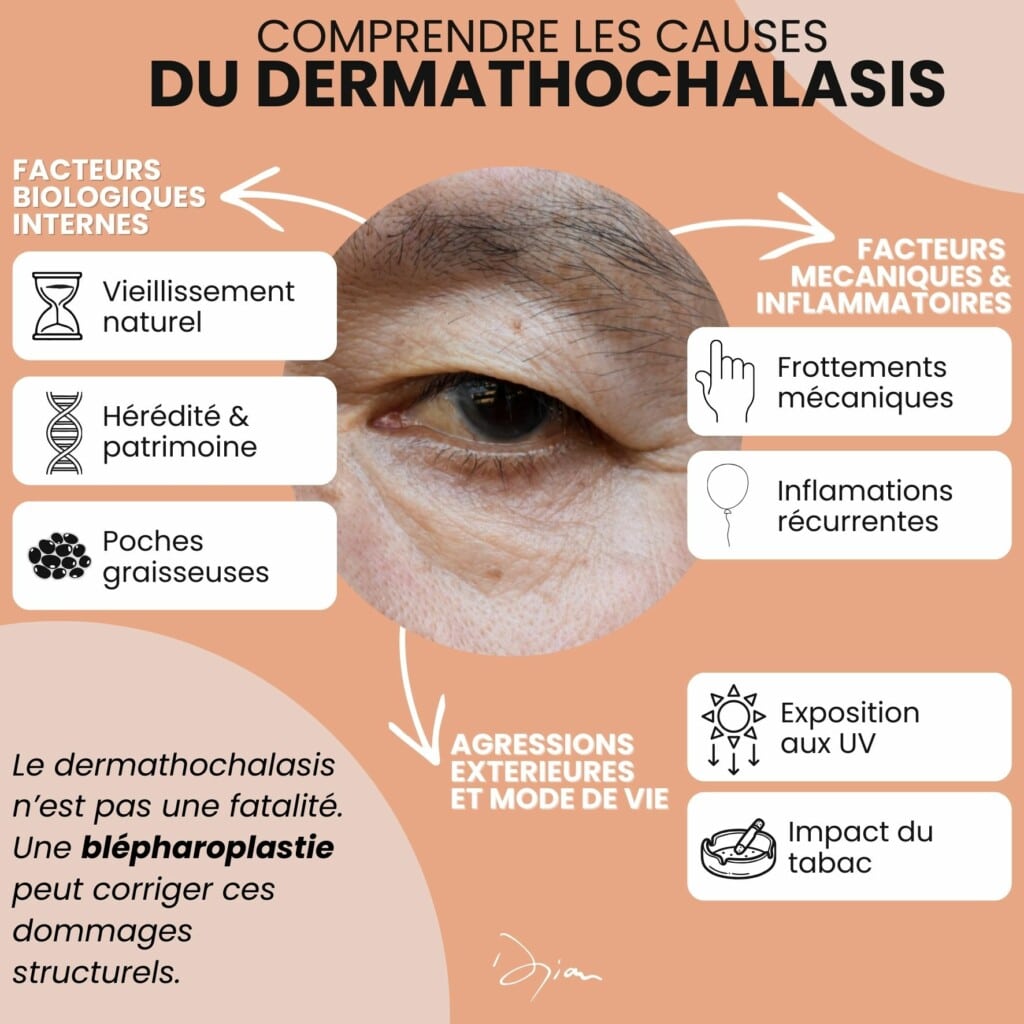
Causes dermathochalasis


Sagging eyelids is the result of a combination of internal biological factors and external aggressions which alter the structure of the eyes. Here are the main causes of this pathology:

  • Natural aging and structural loss : is the main cause. With age, collagen and elastin fibers disintegrate, leading to a loss of skin tone in the face of gravity. This process is often accompanied by a weakening of the membrane holding back orbital fat, leading to the appearance of unsightly bags.
  • Heredity and genetic heritage : your DNA dictates the resistance of your tissues. If your ancestors developed heavy eyelids at an early age, you have a high probability of being affected by this constitutional anomaly.
  • The impact of smoking on the skin : nicotine reduces blood microcirculation, depriving the fine skin of the eyelids of oxygen and nutrients. This tissue asphyxiation accelerates the collagen destruction, Smoke irritates the ocular surface, causing repeated rubbing and further skin slackening.
  • Exposure to UV rays: the sun degrades elastic fibers irreversibly. UV rays break down the molecular bridges in the dermis, precipitating the collapse of tissue around the eye socket.
  • Recurrent inflammation and edema: frequent allergies or sinusitis can lead to repeated swelling. Distended and then deflated, the skin loses its elasticity, like a worn-out rubber band, leading to dermatochalasis.

Mechanical trauma: vigorous rubbing of the eyes (due to dry eyes) or the daily manipulations associated with the wearing contact lenses end up breaking the support fibers of this extremely fragile zone.


TREATMENT OF DERMATOCHALASIS: BLEPHAROPLASTY OR EYELID SURGERY


OPERATION (ANESTHESIA AND PROCEDURE)


The treatment of dermatochalasis is based on a surgical procedure called upper blepharoplasty. This procedure involves removing excess skin and, if necessary, a small amount of muscle and fat. The surgeon makes a meticulous incision concealed in the skin. natural eyelid fold to guarantee virtually invisible results.

The operation is generally performed under simple local anaesthetic or combined with light sedation for patient comfort. On average, it lasts between 30 and 60 minutes. This is a outpatient surgery You enter the clinic in the morning and leave a few hours after surgery, accompanied by a relative.

To benefit from our recognized expertise, you can book an appointment on Doctolib with Dr Djian in Paris 16th arrondissement for a precise, personalized diagnosis of your eyes.


POST-OPERATIVE CARE, HEALING AND RESULTS


Blepharoplasty 4 eyelids


The postoperative period is marked by the appearance of edema and sometimes some bruising. These effects are normal and generally subside within a few days. ten days. The application of cold compresses and a ophthalmic ointment prescribed by your surgeon, helps reduce swelling and protects the surgical area.

The stitches are removed between days 5 and 7 after the operation. The scar, placed in the upper palpebral crease, After just a few weeks, the result is virtually imperceptible. The final result offers a reduction in the obstructed visual field and a spectacular rejuvenation of the eyes, significantly improving the patient's quality of life.


RISKS OF BLEPHAROPLASTY


As with any surgical procedure, blepharoplasty involves risks such as a infection, a hematoma or a temporary dry eyes. However, in the hands of a specialist surgeon, such complications are rare. It is essential to follow the pre-operative instructions scrupulously to minimize any potential danger.


LIMITS OF CREAMS OR TREATMENTS WITHOUT SURGERY


Let's be honest: tensor« cosmetic creams» have no effect on proven dermatochalasis. These products act on surface hydration but cannot remove structural excess skin. Only surgical treatment can correct tissue subsidence and permanently restore the upper visual field.


REDISCOVERING OPEN EYES: TAKING THE STEP TO DERMATOCHALASIS CONSULTATION


Walk through the door of a plastic surgery in Paris is an important step. At your first consultation, the Dr. Djian will perform a complete examination to ensure that no associated ocular pathology, such as glaucoma or retinal disease, contraindicates the operation.

The aim is not to transform your face, but to give it a new look. restore its natural freshness by eliminating the heavy eyelid appearance that weighs you down. A complete medical file, including photos and an information sheet, will be given to you in order to make your decision with peace of mind.

Dr Djian, an expert in facial surgery in Paris, We'll work with you to restore harmony to your eyes. Don't hesitate to contact our secretariat for a tailor-made treatment.

Banner Appointment Doctor Djian


Your Questions

FREQUENTLY ASKED QUESTIONS ABOUT DERMATHOCHALASIS

HOW MUCH DOES DERMATOCHALASIS SURGERY COST IN PARIS?

more less

Rates for upper blepharoplasty fees for dermatochalasis surgery in Paris vary according to the complexity of the procedure. At Dr. Djian's practice, fees for eyelid surgery start at from €2,800 incl. VAT. This amount includes the procedure, outpatient clinic fees and rigorous post-operative follow-up for one year. Each patient is unique, and a detailed estimate is systematically provided at the initial consultation.

IS DERMATOCHALASIS REIMBURSED BY SOCIAL SECURITY?

more less

Health insurance coverage is available under very strict public health conditions. If dermatochalasis causes an amputation of the upper visual field documented by a perimetry test (more than 30° of amputation), the operation can be considered functional rather than purely cosmetic.

In this case, a request for prior agreement is sent to the social security doctor. If the agreement is validated, part of the clinic's costs and a basic reimbursement of fees are covered.

However, additional fees are often payable by your mutual insurance company or the patient himself.

IS DERMATOCHALASIS AGE-RELATED?

more less

Yes, dermatochalasis is mostly age-related because it results from the skin's natural loss of elasticity over the years. The onset of this condition is generally characterized by excess skin. from age 50, although heredity can bring this timetable forward for some people.

DOES DERMATOCHALASIS SURGERY LEAVE SCARS?

more less

The surgical procedure leaves a very fine scar, but this one is strategically placed in the natural crease of the upper eyelid. When your eyes are open, the scar is completely hidden. Over time, it takes on the appearance of an almost invisible white thread, respecting the natural aesthetics of your eyes.

WHAT OTHER OPERATIONS ARE OFTEN ASSOCIATED WITH A SUPERIOR BLEPHAROPLASTY?

more less

For an overall rejuvenation of the eyes, several procedures complement upper blepharoplasty:

What did you think of this article?

Rate it !

Average Rating 3.5 / 5. Number of Votes 2

No votes yet, be the first to rate this article.

Dr. Jérémy Djian
Dr. Jérémy Djian

Dr Jérémy Djian is a plastic surgeon based at 5 square Thiers, near the Victor Hugo roundabout, in the 16th arrondissement of Paris.

He trained in Paris and remains attached to the hospital in the prestigious department of Pr Laurent Lantieri.


Going further
THESE ITEMS CAN
IN THESE SECTIONS
Your Questions
ASK YOUR QUESTIONS
TO DR. DJIAN