FREQUENTLY ASKED QUESTIONS ABOUT NECK LIFT
HOW LONG DOES A LOWER FACE AND NECK LIFT REALLY TAKE?
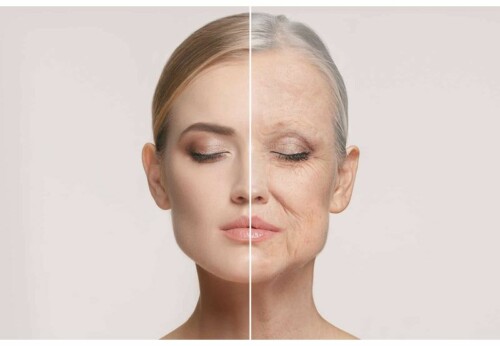
Between 8 and 12 years old, However, the duration of a facelift depends primarily on your skin’s initial elasticity. A facelift permanently removes excess skin and lifts sagging tissue, but it does not restore lost elasticity. Skin with low elasticity ages more quickly after the procedure. Smoking, sun exposure, and weight fluctuations accelerate this process; therefore, managing these factors is essential.
IS IT POSSIBLE TO HAVE A FACELIFT WITHOUT SCARS?
No, a surgical facelift necessarily leads to incisions, and therefore scars. On the other hand, well-made, they can become almost invisible. It all depends on the technique used. When you work deeply into the tissue without applying excessive tension to the surface, the closure is finer; this prevents scar tissue from forming. The design, the placement of the incisions, and careful attention to the tragus, the earlobe, and the hairline are all essential details. A skilled hand ensures a natural-looking result, without visible scars to the naked eye, even up close.
IS THERE AN AGE LIMIT FOR A NECK LIFT?
No, there isn't no absolute limit to perform a neck lift. The determining factor is not the date of birth, but skin quality and the degree of tissue laxity.
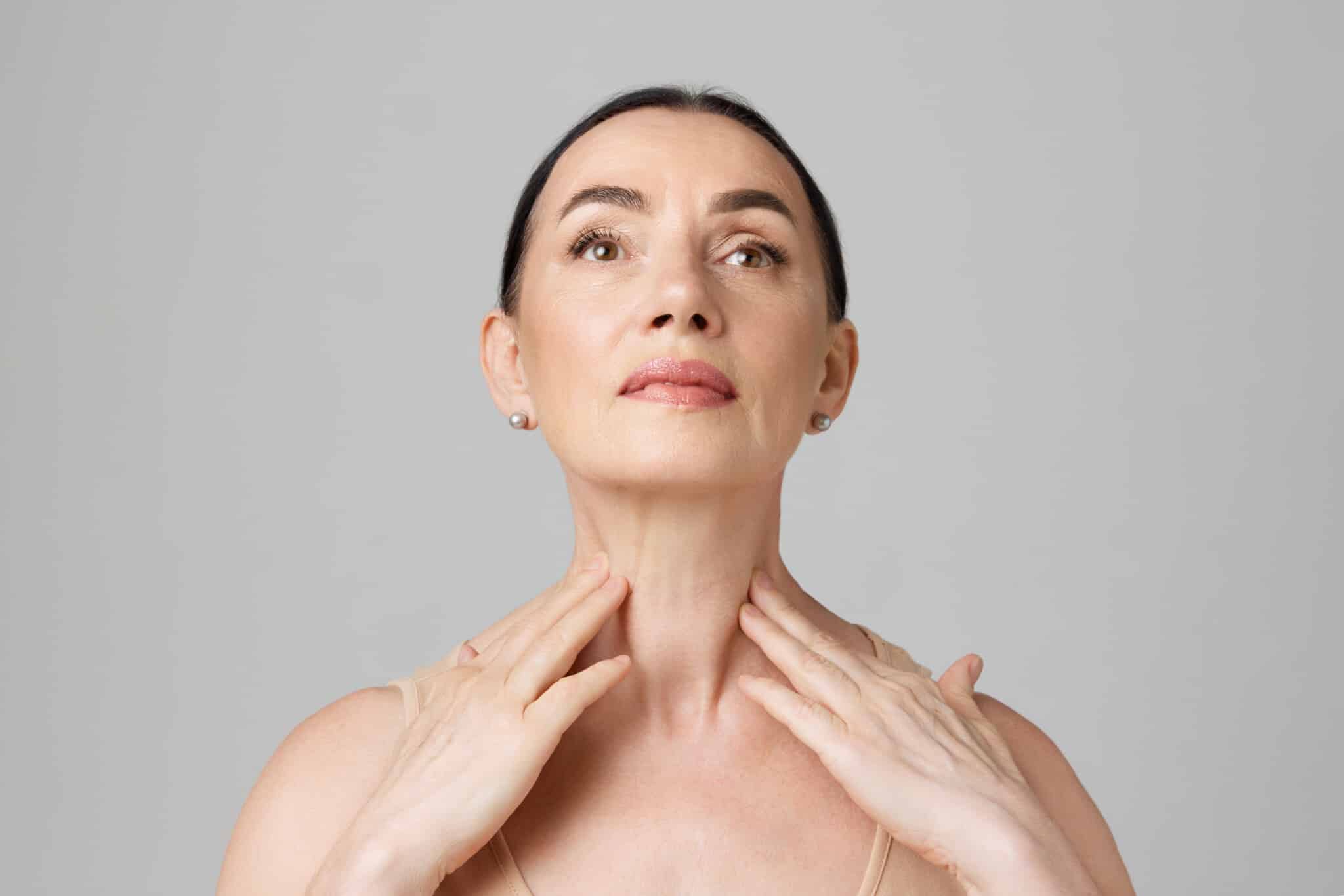
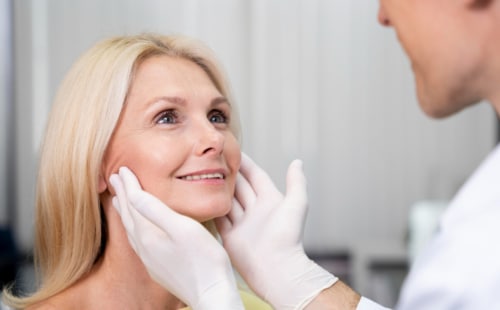
To find out, a simple test is performed during the consultation: assessment in the supine position. When lying down, gravity no longer affects the tissues. If the neck and lower face appear visibly rejuvenated in this position, it indicates that the tissues are still mobile and that the facelift will be effective. On the other hand, if no improvement is observed, this means that the skin has lost too much elasticity for surgery to be beneficial, making other approaches more appropriate. Thus, It’s not your chronological age that counts, but your skin’s age. A facelift can therefore be considered at age 40 or 80, depending on the individual case.
DOES A NECK LIFT HURT?
No, the pain after a neck lift is generally slight and well audited. Thanks to medical advances and precise surgical techniques, inflammation is minimal. Most patients are satisfied with the paracetamol, without severe pain. A skilled surgeon adapts their technique to minimize bleeding, swelling, and discomfort. The post-operative experience is mainly characterized by a feeling of tightness, or even slight swelling, which gradually subsides over the course of a few days to a few weeks.
HOW TO SWELL UP FASTER AFTER A FACELIFT?
To reduce swelling more quickly after a neck and lower face lift, sleep in a semi-upright position, apply cool compresses (never apply ice directly to the skin), avoid strenuous activity and carefully follow the post-operative instructions. Quitting smoking, staying well-hydrated, and attending regular follow-up appointments with your surgeon also help reduce post-operative discomfort and help you quickly regain a natural appearance.
HOW TO ELIMINATE A DOUBLE CHIN?
Treatment depends on the cause: if it is a excess fat, a double chin liposuction When done well, it often yields excellent results. If the the skin is sagging, a neck and facelift may also be necessary.
In younger patients, the skin retracts well after liposuction, which often eliminates the need for additional surgery. In older patients, however, because skin quality is poorer, liposuction alone may leave excess skin. In such cases, a facelift is recommended to remove this excess skin and redefine the contours of the face. In all cases, the decision to proceed must be made following a clinical examination, based on the patient’s body type and skin elasticity.
Non-invasive methods (cryolipolysis, ultrasound) offer moderate and rarely long-lasting results. For noticeable, natural-looking, and long-lasting results, the solution is often surgical, tailored to each individual case.
Dr Jérémy Djian is a plastic surgeon based at 5 square Thiers, near the Victor Hugo roundabout, in the 16th arrondissement of Paris.
He trained in Paris and remains attached to the hospital in the prestigious department of Pr Laurent Lantieri.
IN THESE SECTIONS
TO DR. DJIAN