


TUMMY TUCK IN PARIS (ABDOMINOPLASTY)
Abdominoplasty is cosmetic surgery of the abdomen to treat the consequences of skin or muscle distension, and to restore a firmer abdomen after pregnancy, weight change or time-related sagging. Performed in Paris by Dr. Djian, it aims to restore physical comfort and harmony to the silhouette through precise, individualized medical care.
- Objective: Restore a flat, toned tummy by correcting excess skin, fat and diastasis (muscle relaxation).
- Techniques : Mini-abdominoplasty (below the navel) or complete (overall treatment with repositioning of the navel).
- Procedure : Under general anaesthetic, lasting from 1h30 to 3h. Post-operative compression girdle required.
- Recovery : Return to work in 10 to 15 days. The final result is visible after 3 to 6 months.
- Care : possible partial coverage by Social Security for cases of major skin excess (abdominal apron).
REGAIN A FLAT, HARMONIOUS STOMACH WITH DR JEREMY DJIAN
Abdominoplasty, also known as tummy tuck, is a procedure that tightens the skin, corrects sagging muscles and removes excess fat when necessary. Dr. Jérémy Djian, plastic surgeon in Paris, offers personalized care to restore a flat, natural appearance to the stomach after pregnancy, major weight loss or sagging skin, taking into account the morphology and expectations of each patient.
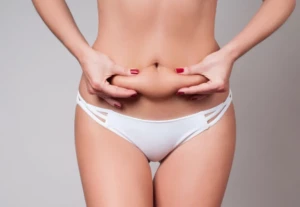
WHEN IS AN ABDOMINOPLASTY INDICATED?
Abdominoplasty aims to restore a harmonious abdominal wall. It corrects the sagging skin belly, spread of abdominal muscles (diastasis)), localized excess fat and low-lying scars, often concealed in the bikini area.
In addition to the aesthetic aspect, the procedure can improve abdominal comfort, posture and muscle tone.
Which patients are good candidates for abdominoplasty?
Abdominoplasty is intended for patients with sagging abdominal skin that can no longer be corrected by sport or weight loss. It is particularly indicated after one or more pregnancies, significant weight loss or when the abdomen adopts an «apron» shape, partially covering the pubis. The procedure can also be used to correct muscular distension (diastasis of the rectus abdominis), often responsible for a rounded belly despite a slimmer silhouette, under specialized surgical management in Paris. For both men and women, the aim is to restore a flatter, better-defined abdomen in proportion to the body's morphology, while improving physical comfort and self-confidence.
PRE-OPERATIVE CONSULTATION
During the first consultation, Dr. Djian performs a full review These include skin quality, muscle tone, presence of diastasis, fat distribution and medical history. Medical photographs can be taken for precise planning of the operation. An ultrasound is sometimes requested in cases of previous surgery or suspected abdominal hernia.
Before any operation is indicated, the surgeon also checks that BMI before abdominoplasty, This is an essential criterion for adapting the strategy. The surgeon then presents the personalized operating plan type of abdominoplasty (mini or full), if applicable associated liposuction, The procedure is based on the following criteria: the type of surgery, the type of anesthesia, the location of scars and the duration of the operation.
A detailed estimate and informed consent are given at the end of the consultation.
In case of major skin excess (abdominal apron covering the pubis) or significant weight loss after sleeve, partial coverage by the French Social Security system can be envisaged following a request for prior agreement.
WHAT IS ABDOMINOPLASTY?
The intervention makes it possible to remove excess skin and fat while tightening the abdominal muscles to restore a flat, firm wall. Two main techniques are available: mini-abdominoplasty and full abdominoplasty.
Mini-abdominoplasty
It is intended for patients with excess skin under the navel. The navel is not displaced, the scar is short and recovery is faster. It can be combined with a tummy tuck liposuction to improve silhouette definition.
Complete abdominoplasty
This technique treats the entire abdomen, from pubis to thorax. The surgeon removes loose skin, tightens the abdominal muscles and repositions the navel. The result is a flat, harmonious stomach, particularly after pregnancy or major weight loss.
PROCEDURE FOR ABDOMINOPLASTY IN PARIS
Abdominoplasty is performed under general anaesthetic and lasts between 1 h 30 and 3 h depending on the complexity of the gesture.
A 24 to 48 hours in hospital is generally planned.
Dr. Djian often begins with liposuction to refine the area, then removes excess skin and fat. If the abdominal muscles are distended, they are tightened with solid stitches (correction of diastasis). The navel is repositioned for a natural look, then the skin is sutured with absorbable sutures.
A drain may be placed temporarily to limit effusion.
A compression panty is then carried for 4 to 6 weeks to promote healing and reduce oedema.
AFTER ABDOMINOPLASTY: SCARRING, SWELLING AND RETURN TO ACTIVITY
Aftercare is generally straightforward. Visit moderate pain, comparable to aches and pains, and well controlled by analgesics.
Swelling and bruising may appear, but disappear within a few weeks.
The patient can get up the next day, Keep a slightly flexed position to protect the scar. As the threads are absorbable, they do not need to be removed.
The return to work after 10 to 15 days,The activities are gradually resumed according to medical recommendations, with careful post-operative follow-up at Dr. Djian's practice in Paris.
How long does the result of an abdominoplasty last?
The result obtained after abdominoplasty is long-lasting, provided that weight remains stable and significant variations are avoided. Once healing is complete and the skin has retracted, the tummy retains its flatter, more toned appearance for many years. Natural aging does not cancel out the benefits of the procedure, but it can progressively alter the quality of the tissues, as in any other area of the body. A balanced lifestyle, regular physical activity and weight control are essential factors in preserving the result over time.
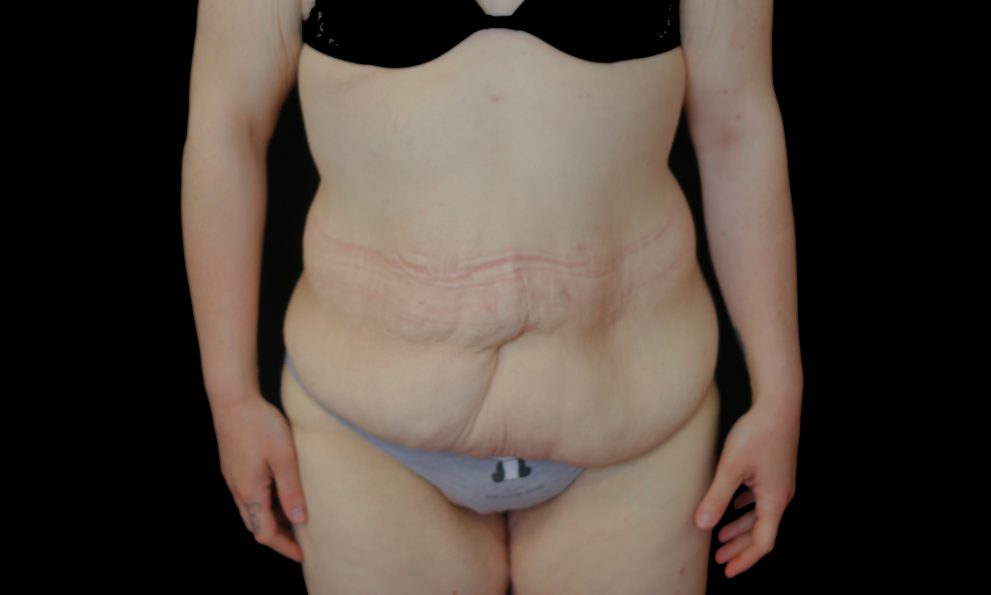
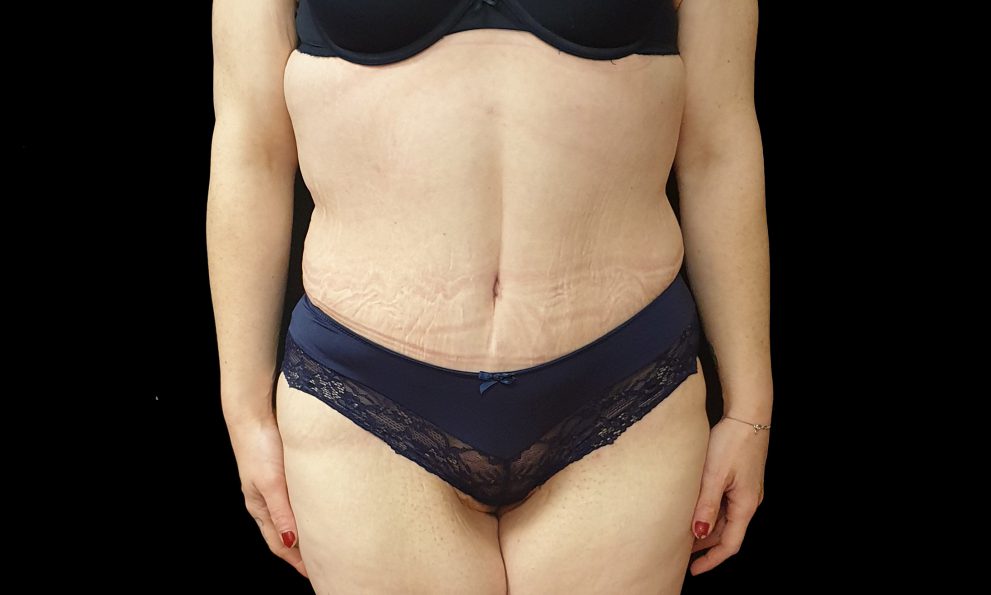
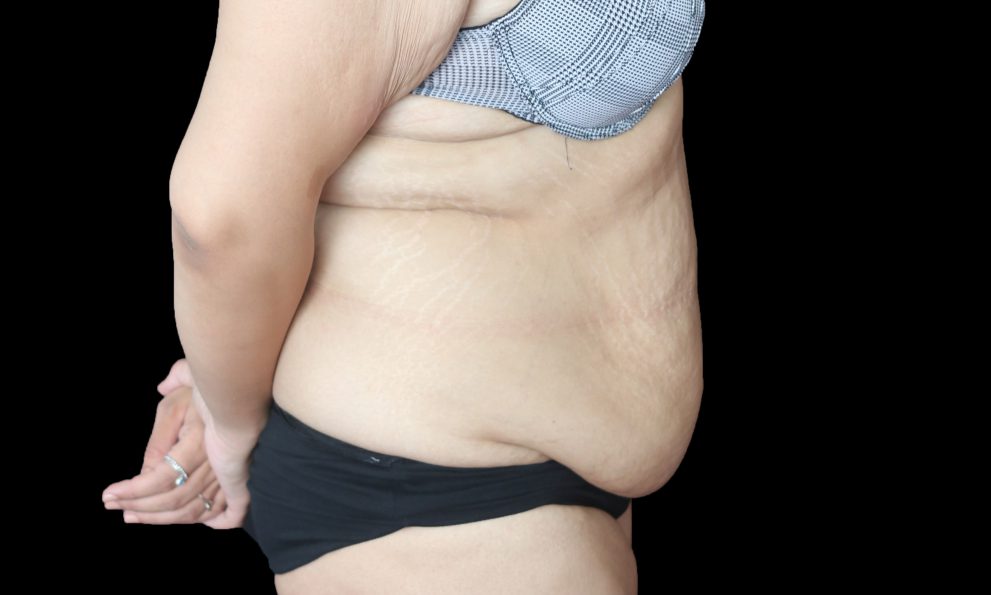
RESULTS BEFORE / AFTER ABDOMINOPLASTY: TUMMY AND SCAR EVOLUTION OVER TIME
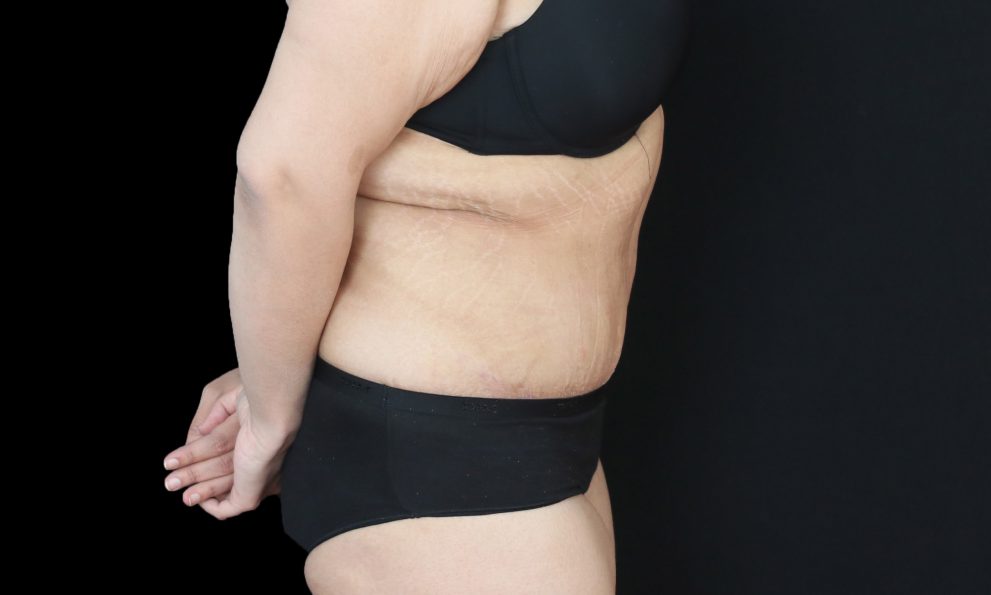
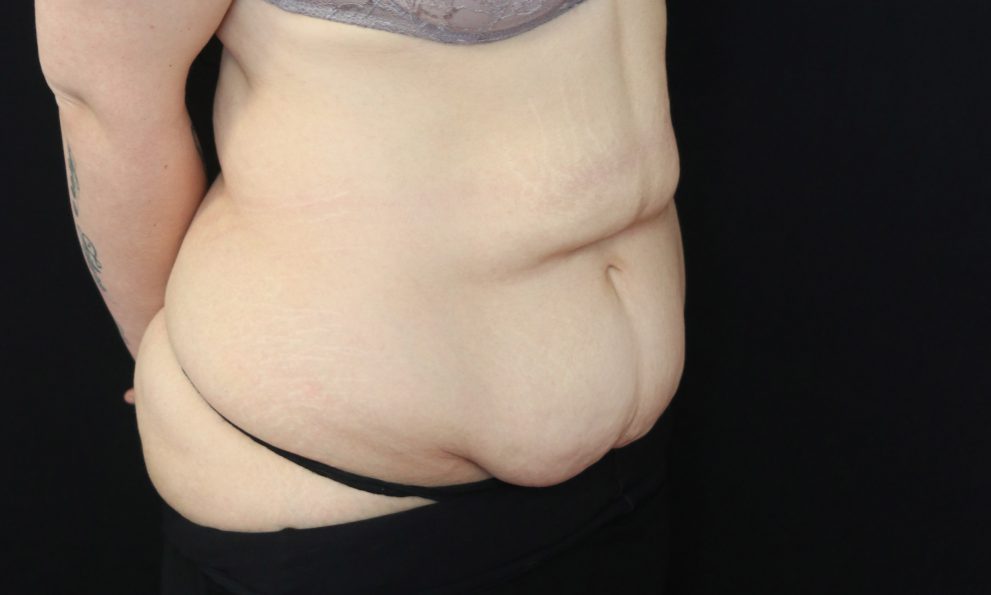
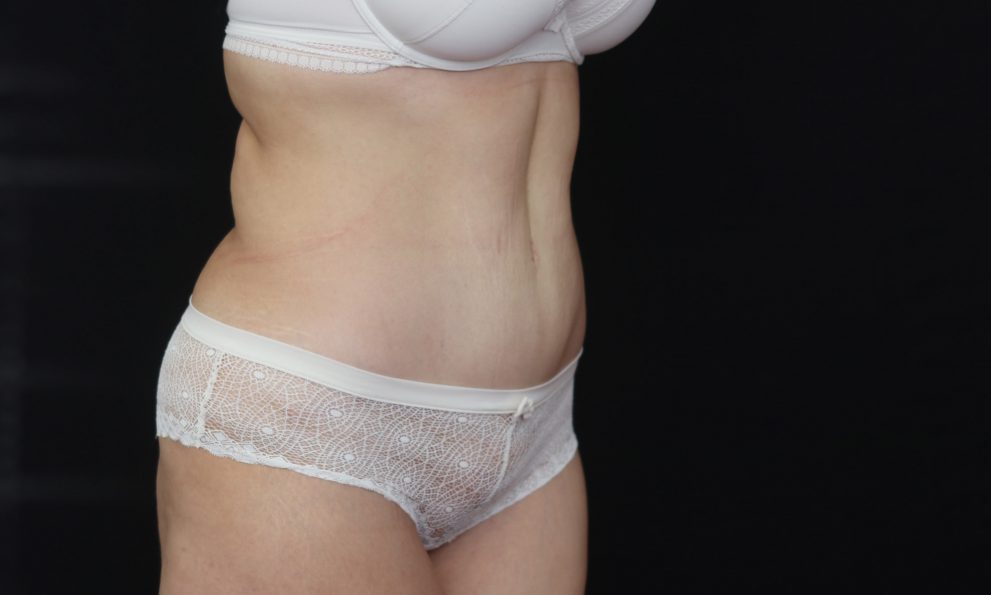
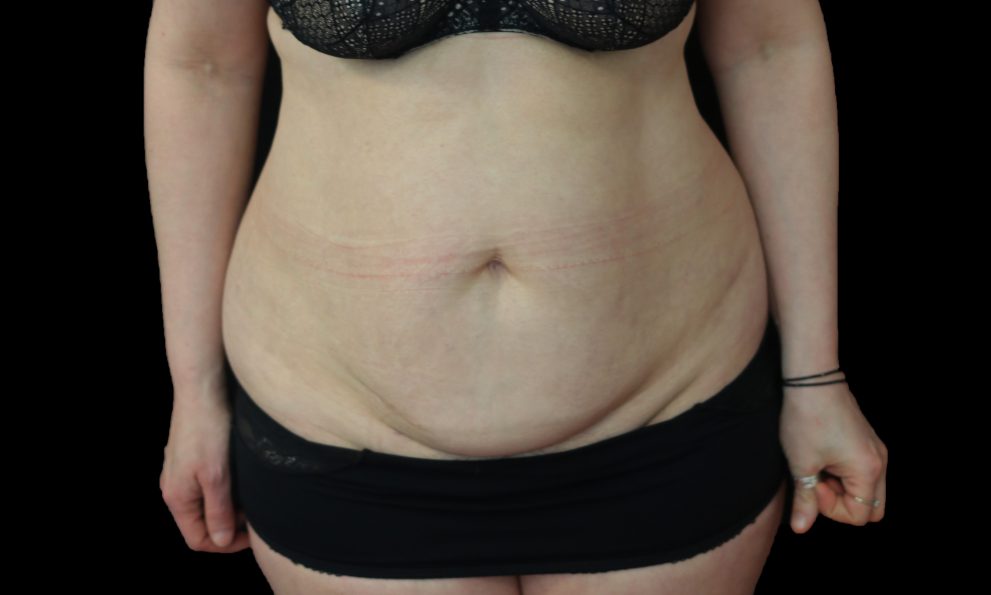
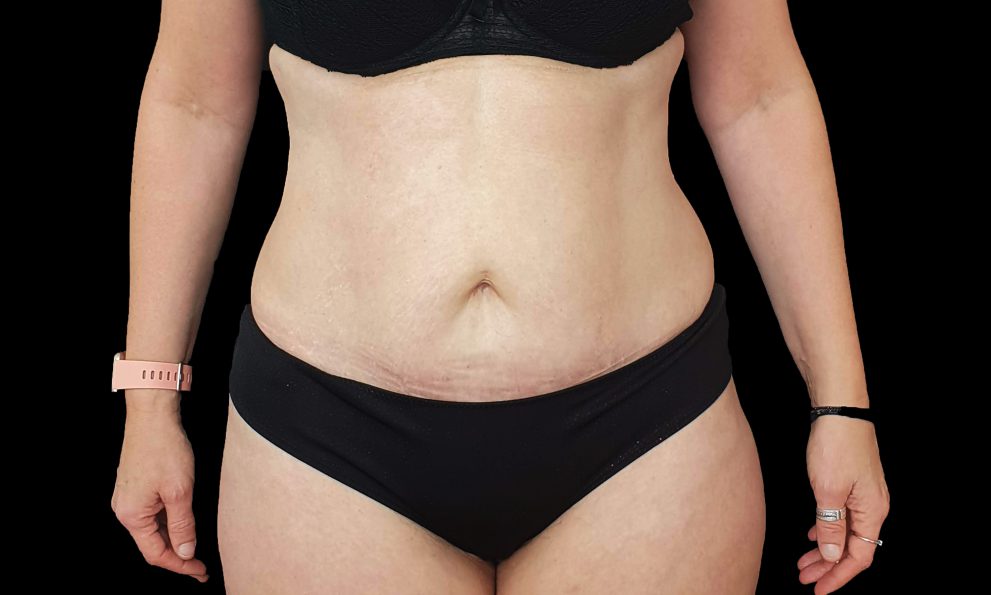
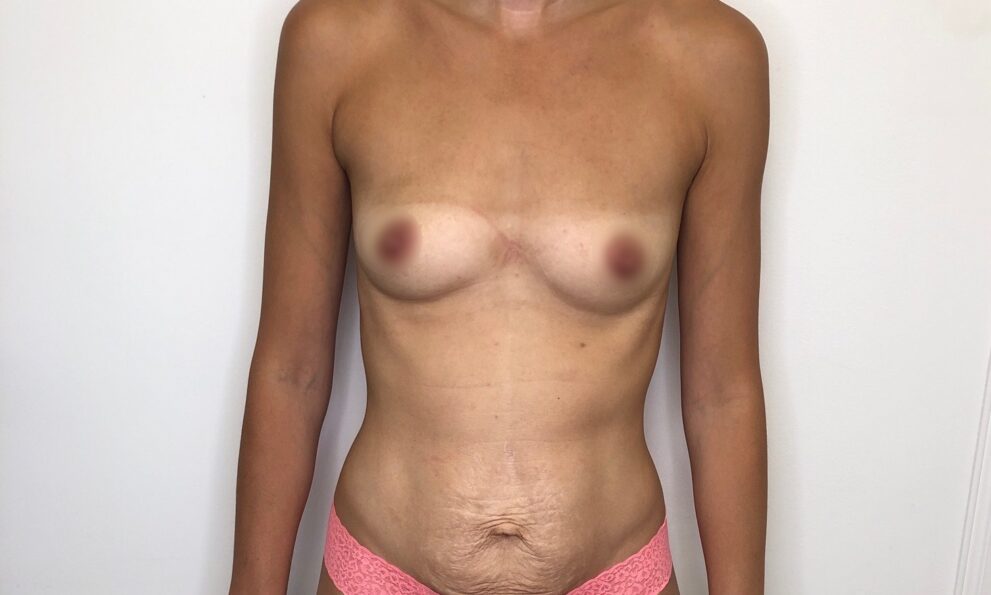
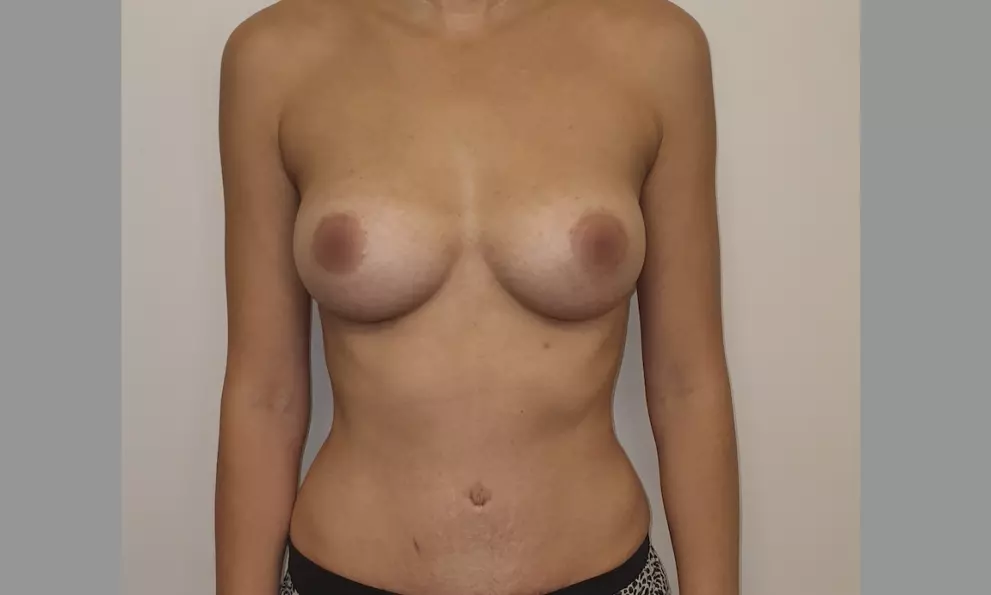
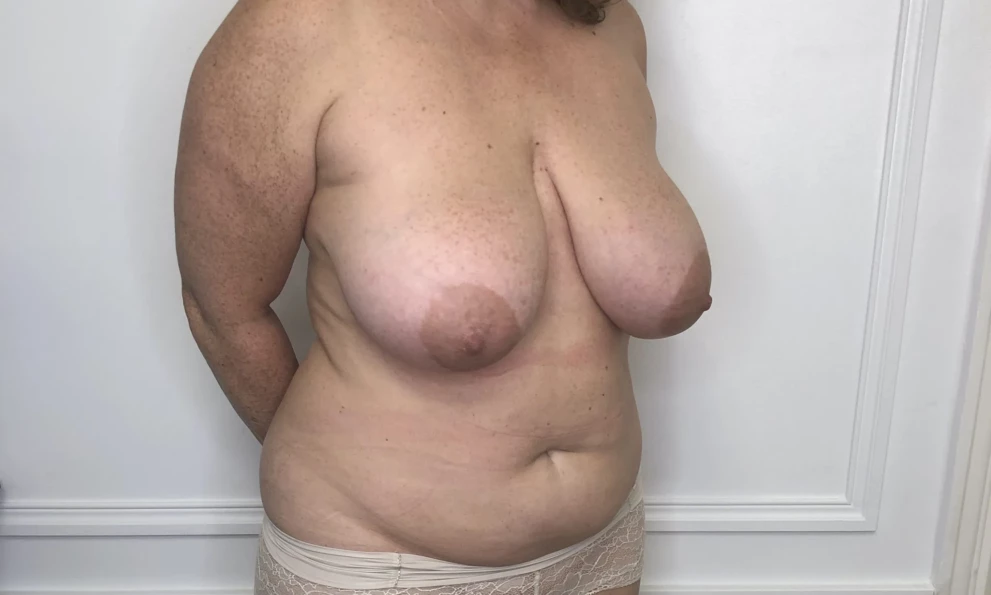
The result of abdominoplasty settles in gradually: the tummy flattens out over the weeks, the swelling subsides and the scar becomes finer over time. A first improvement is visible after 3 to 4 weeks, but the definitive result appears between 6 and 12 months.
Each patient evolves differently, depending on skin quality, initial sagging and lifestyle habits. before and after abdominoplasty photos taken by Dr Djian in Paris illustrate the type of transformation possible, while remembering that each case is unique.
PRICE OF ABDOMINOPLASTY IN PARIS AND REIMBURSEMENT CONDITIONS
The cost of abdominoplasty varies according to several criteria: the extent of skin laxity, the presence or absence of diastasis of the rectus abdominis, whether the procedure is combined with liposuction, the length of hospital stay and the complexity of the surgical procedure.
In Paris, the ranges generally observed are as follows:
- Mini-abdominoplasty: €4,500 - €6,000
- Abdominoplasty with correction of diastasis: €6,500 - €9,500
- Extended abdominoplasty after major weight loss: €8,500 - €11,500
A personalized quote is given during the consultation at the office.
When the intervention has a functional (significant abdominal diastasis, post-partum tummy tuck, daily discomfort), a partially covered by the French health insurance system may be considered after clinical examination.
In this case, only the aesthetic part of the procedure remains at the patient's expense.
Price of an abdominoplasty performed by Dr. Djian
| PROCEDURES | Cosmetic surgery incl. VAT | Reconstructive surgery fees |
|---|---|---|
| Abdominoplasty | 6000-7000 euros | 4500 euros |
*Plastic surgery prices are given as an indication and are non-contractual.
The first cosmetic surgery consultation at our office in the 16th arrondissement of Paris costs 100 euros.
How to budget for abdominoplasty in Paris?
The cost of abdominoplasty varies according to the technique chosen (mini abdominoplasty, correction of diastasis, combination with liposuction), the length of hospital stay and the complexity of the case. In Paris, fees reflect the surgeon's level of expertise and the individuality of the treatment. Several parameters can therefore influence the final budget, which is why the precise estimate always depends on the clinical evaluation. When the procedure is indicated for repair, a possible contribution from the French health insurance system may be considered.
SET UP A MEETING
Dr. Jérémy Djian welcomes you to his Paris practice for all abdominoplasty consultations. Each consultation is personalized, with respect for the patient's morphology and expectations, for a natural, harmonious and long-lasting results.
Practice of Dr Jérémy Djian
5 Square Thiers,
75116 Paris
01 88 33 61 61

Abdominoplasty
Abdominoplasty
Abdominoplasty
Liposuction and Mini Abdominoplasty
Mommy Makeover
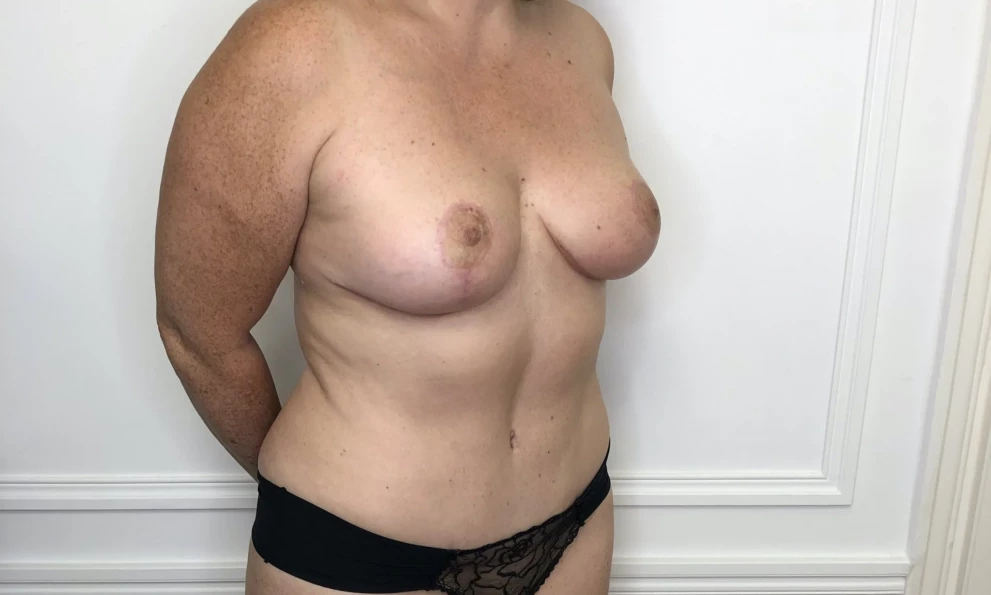
Mommy Makeover
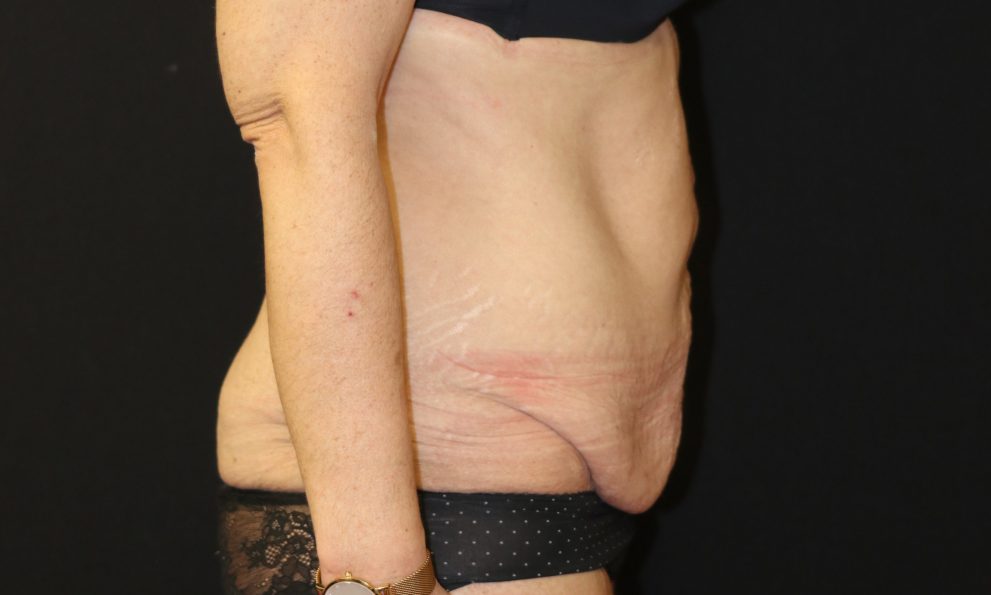
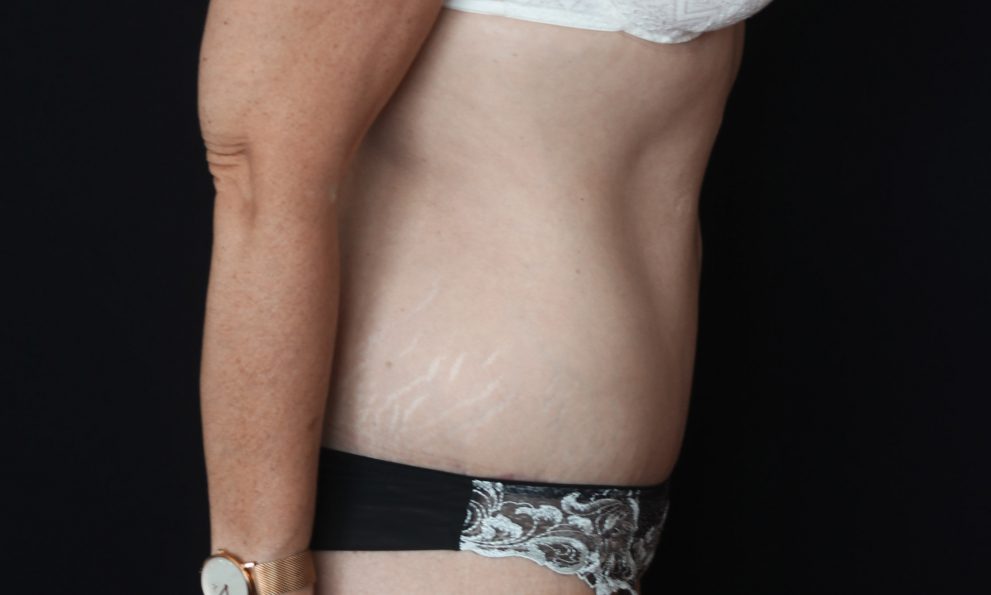
Bodylift
Your Questions
Frequently Asked Questions in Consultation
CAN ABDOMINOPLASTY REALLY ELIMINATE STRETCH MARKS ON THE STOMACH, AND IN WHAT CASES IS IT EFFECTIVE?


Abdominoplasty can eliminate stretch marks below the navel, as this area of skin is removed during the procedure. Stretch marks above the navel are not removed, but are lowered when the skin is tightened, often making them less visible. The surgeon systematically assesses the location of the stretch marks during the consultation to define the expected result.
WHERE EXACTLY IS THE SCAR AFTER ABDOMINOPLASTY, AND WILL IT BE VISIBLE IN A SWIMSUIT?
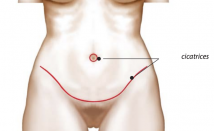
The scar is placed above the pubis, in a position designed to be hidden by underwear or a bathing suit. Its length depends on the amount of excess skin to be removed, but it always remains low and horizontal. The navel is preserved and naturally repositioned, leaving an inconspicuous scar on the inside. With appropriate healing follow-up, the scar gradually fades over the months.
HOW LONG DOES THE ABDOMINOPLASTY PROCEDURE LAST AND WHAT IS THE HOSPITAL STAY LIKE?
The procedure generally lasts between 1h30 and 3 hours, depending on the importance of the gesture. It is used under general anaesthetic. A 24- to 48-hour hospital stay is recommended to ensure a comfortable recovery, post-operative monitoring and a smooth return home.
WHAT IS THE POST-OPERATIVE COURSE OF AN ABDOMINOPLASTY AND HOW LONG DOES RECOVERY LAST?
The post-operative period is generally well tolerated. A sensation of abdominal tension and swelling are frequent at first, but gradually fade.
Wearing a support sheath is necessary for a few weeks to optimize healing and comfort. Daily activities can be resumed after 10 to 15 days, and sporting activities generally after 6 weeks, depending on the surgeon's advice.
IS ABDOMINOPLASTY PAINFUL AND HOW IS PAIN CONTROLLED AFTER THE OPERATION?
Pain is often moderate, comparable to abdominal aches and pains. It is anticipated and controlled by a personalized analgesic treatment. Getting up and walking lightly the next day improves recovery. The vast majority of patients report temporary discomfort rather than significant pain.
WHAT ARE THE POSSIBLE RISKS AND COMPLICATIONS OF ABDOMINOPLASTY, AND HOW CAN THEY BE PREVENTED?
Like all surgical procedures, abdominoplasty entails risks such as hematoma, infection, scarring or phlebitis. These risks are rare, and are limited by a thorough pre-operative consultation, a rigorous surgical technique, the use of compression garments, smoking cessation and compliance with post-operative recommendations. Regular follow-up with the surgeon enables any abnormalities to be detected and treated rapidly, if necessary.
HOW MUCH DOES AN ABDOMINOPLASTY COST, AND WHEN IS IT COVERED BY SOCIAL SECURITY?
The price depends on the procedure to be performed, the operating time and any associated requirements (such as liposuction). The procedure may be reimbursed by the French health insurance system when there is major excess skin partially covering the pubis, or after significant weight loss, subject to prior agreement. A detailed estimate is provided during the consultation.
CAN DIASTASIS OF THE RECTUS ABDOMINIS BE CORRECTED DURING ABDOMINOPLASTY?
Yes, when the rectus abdominis muscles have pulled apart after pregnancy or significant weight loss, this is called diastasis. During abdominoplasty, the surgeon brings the two muscles together with a strong suture, restoring tone to the abdominal wall. This muscle repair contributes to a flatter tummy, better posture and can sometimes relieve associated lower back pain. When clinically indicated, correction of diastasis is an integral part of the procedure.
WHAT'S THE DIFFERENCE BETWEEN A MINI-ABDOMINOPLASTY AND A FULL ABDOMINOPLASTY?
The mini-abdominoplasty in Paris corrects only the area below the navel when there is moderate skin excess, without significant sagging above. Complete abdominoplasty, on the other hand, treats the entire abdomen: excess skin on the upper and lower abdomen, repositioning of the navel if necessary, and repair of the diastasis of the rectus abdominis. The choice between the two techniques depends on the clinical examination, the degree of skin laxity and the patient's expectations.
CAN ABDOMINOPLASTY BE COMBINED WITH LIPOSUCTION TO REFINE THE FIGURE?
Yes, and it's very common. Liposuction can be performed at the same time to treat localized excess fat (stomach, hips, flanks, saddlebags) and achieve a more harmonious, natural result. In consultation, the surgeon determines the areas to be smoothed according to the patient's morphology and objectives. Combining the two techniques does not systematically lengthen recovery, and is only decided upon when medically coherent.
HOW LONG DOES IT TAKE TO SEE THE FINAL RESULT OF AN ABDOMINOPLASTY?
Results are achieved gradually. A clear improvement can be seen as early as 3 to 4 weeks, when the swelling begins to diminish. The tummy continues to flatten over the months, and the scar becomes finer over time. The final result is obtained between 6 and 12 months, depending on the quality of the skin, any muscle correction and the patient's lifestyle habits (physical activity, lifestyle, smoking, etc.).
WHEN CAN YOU RESUME SPORT AFTER ABDOMINOPLASTY?
Gentle walking is recommended from the outset. Non-impact sports that do not involve the abdominal muscles can be resumed between 4 and 6 weeks, depending on progress. Exercises targeting the abdominal girdle, muscle-strengthening sports and impact sports should generally be postponed for 8 to 12 weeks, with the surgeon's agreement. Respecting these deadlines helps to stabilize the result and protect muscle repair once it has been achieved.
IS PREGNANCY POSSIBLE AFTER ABDOMINOPLASTY? AND IS IT PREFERABLE TO WAIT UNTIL THE END OF THE MATERNITY PROJECT?
Pregnancy is entirely possible after abdominoplasty and is not dangerous. However, it is advisable to wait until you have completed your childbearing plans before undergoing the procedure, as a new pregnancy will again distend the tissues and may alter the result obtained. If the patient is still planning a pregnancy in the short term, it is preferable to carry out the operation at a distance.
CAN AN ABDOMINOPLASTY CORRECT A DAMAGED TUMMY AFTER SEVERAL PREGNANCIES OR SIGNIFICANT WEIGHT LOSS?
Yes, abdominoplasty is indicated when the skin of the abdomen is too distended to tighten naturally, particularly after several pregnancies or significant weight loss. The procedure removes excess skin, corrects diastasis of the rectus abdominis if necessary, and tightens the remaining skin to restore a flatter stomach. The aim is to restore a natural, proportionate silhouette, while respecting the patient's morphology.
IS ABDOMINOPLASTY INDICATED FOR BOTH MEN AND WOMEN?
Yes, the indications are the same for men and women: excess skin after weight loss, slackening of the abdominal wall, abdominal apron or functional discomfort. The procedure is adapted to male or female morphology, in order to preserve a natural silhouette. In men, particular attention is paid to the anatomical definition of the abdomen to avoid an excessively smooth appearance.
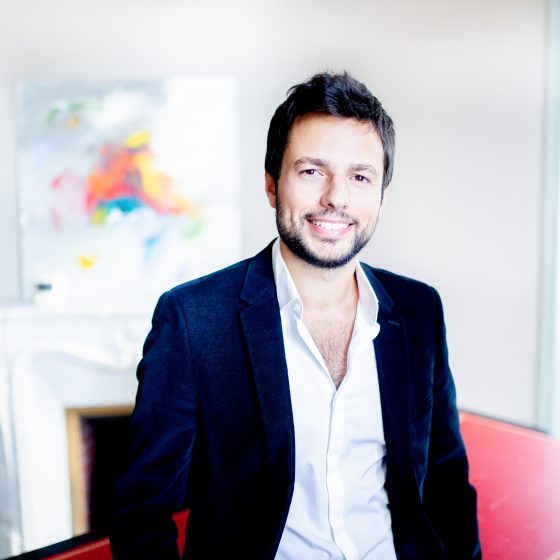
Dr Jérémy Djian is a plastic surgeon based at 5 square Thiers, near the Victor Hugo roundabout, in the 16th arrondissement of Paris.
He trained in Paris and remains attached to the hospital in the prestigious department of Pr Laurent Lantieri.
YOU MAY BE INTERESTED
IN THESE SECTIONS

TO DR. DJIAN
Hello,
I would like to know if you perform umbilicoplasty in order to make the navel less wide?
Hello,
No,
if there is excess skin around the navel, this is usually an indication for abdominoplasty.
Sincerely
good morning.
I would like to know approximately how much a thigh and tummy tuck costs?
Hello, ma'am,
You can find all the prices on the "Prices" page."
These estimates are adapted to each patient's morphology.
To find out more about plastic surgery prices, there's an article on the subject in the site's blog.
Yours sincerely