fb Breast augmentation scars: how to minimize them?
Dr Jérémy Djian, 5 Square Thiers , 75016
menu close
Appointment appointment

Surgery

Breast Augmentation Scar: What to Expect?

published on 22.09.2025 by Dr. Djian
<noscript><img width=
Summary
  • WHY DO SURGICAL TECHNIQUES INFLUENCE SCARRING?
  • THE 2 SURGICAL TECHNIQUES USED FOR BREAST AUGMENTATION
  • FACTORS INFLUENCING THE APPEARANCE OF SCARS AFTER BREAST AUGMENTATION
  • TIPS FOR MINIMIZING SCARRING AFTER BREAST AUGMENTATION
  • CONCLUSION
  • MORE ARTICLES ON BREAST AUGMENTATION SURGERY
In short
  • The breast augmentation scars vary according to the surgical technique : Sub-mammary or After-school
  • Their appearance depends on the skin quality, the surgical technique and post-operative care gentle cleansing, moisturizing, creams or dressings silicone-based, and wearing a medical bra for several weeks.
  • The bad practices Avoid: sun exposure, sudden exertion, carelessness, smoking, alcohol, scratching or irritating products.
  • Scars evolve on 6 to 12 months They start out red, then gradually flatten and fade.

When considering breast augmentation, one question often comes up: « What will the scars be and how can they be minimized? »The choice of surgical technique plays a crucial role in the appearance of scars and their evolution over time. Dr. Djian explains the different techniques, their implications and solutions for reducing these marks. following breast augmentation surgery.


WHY DO SURGICAL TECHNIQUES INFLUENCE SCARRING?


THE LINK BETWEEN INCISION TYPE AND WOUND HEALING


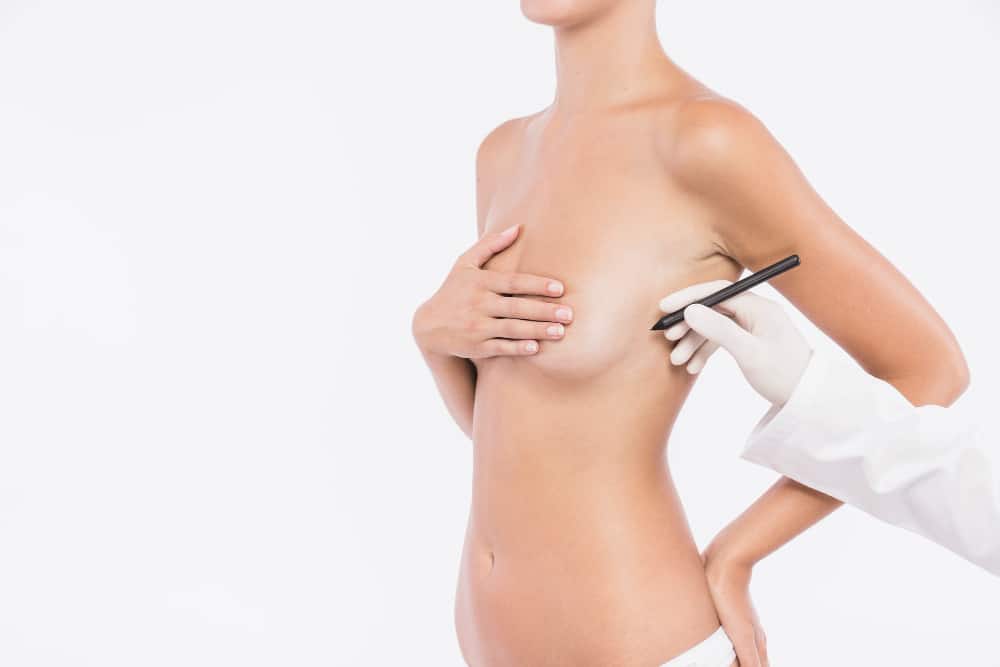
Each breast augmentation technique involves a specific incision, which determines the location, size and evolution of scars. For example, a submammary incision leaves a mark under the fold of the breast, while a periareolar incision is more discreet.


DETERMINING FACTORS FOR MINIMIZING BREAST AUGMENTATION SCARS


Results depend on a number of factors:

  • Skin quality (resilience, predisposition to hypertrophic scars).
  • Post-operative care (hydration, sun protection, bra).
  • The surgeon's experience.


THE 2 SURGICAL TECHNIQUES USED FOR BREAST AUGMENTATION


THE SUBMAMMARY TECHNIQUE (INCISION UNDER THE BREAST FOLD)


Scar location


The incision is made in the natural fold under the breast, making it easy to conceal, especially when the breasts are in a natural position. With modern techniques, the scar is very short, between 3 and 4 cm maximum.


Aesthetic advantages and disadvantages


  • Benefits Ideal for breast implants voluminous, the scar is well hidden.
  • Disadvantages Visible when lying down or during certain movements.


THE PERI-AREOLAR TECHNIQUE (AROUND THE AREOLA)


Scar discretion in this area


This technique uses the natural contour of the areola to camouflage the scar. It is located just where the tinted skin of the areola meets the light skin of the breast, making it a very inconspicuous area, ideal for those concerned about aesthetics.


Potential risks associated with wound healing


This method can lead to complications such as oozing or itchy scars, especially if insufficient care is taken.


FACTORS INFLUENCING THE APPEARANCE OF SCARS AFTER BREAST AUGMENTATION


THE ROLE OF SKIN TYPE AND GENETIC PREDISPOSITION


Some people have skin that doesn't heal easily, and may be prone to visible scars such as hypertrophies (excess scar tissue that remains in relief) or keloids (scars that extend beyond the injured area). A pre-operative consultation helps identify these risks and prepare an appropriate plan.


THE IMPORTANCE OF POST-OPERATIVE CARE


Wound care


Regular cleansing and moisturizing of the operated area to prevent infection and promote rapid healing. Clean the operated area with a mild antiseptic solution, then apply an appropriate moisturizing cream to keep skin supple and avoid tightness.


Use of specific products


Silicone-based healing creams are particularly effective in smoothing scars and reducing their appearance. Silicone dressings also help limit the formation of hypertrophic scars by exerting gentle pressure on the skin. Other options, such as natural oils enriched with vitamin E, can be used as a complement to deeply moisturize.


Choosing and wearing a post-operative bra


Many patients wonder which bra after breast augmentation is the most suitable. Wearing a medical support bra is essential to keep the breasts in place, limit tension on the scars and promote harmonious healing. This well-fitting, non-wired post-operative bra should be worn day and night for several weeks, as recommended by the surgeon. The right choice helps to reduce discomfort, secure the aesthetic result and facilitate recovery.


THE SURGEON'S ROLE IN MINIMIZING SCARS


Dr Djian, experienced in breast surgery, will always choose the most suitable techniques and materials to limit visible marks.


TIPS FOR MINIMIZING SCARRING AFTER BREAST AUGMENTATION


THE IMPORTANCE OF REGULAR CARE AND SUITABLE PRODUCTS


To promote optimal healing, it is essential to follow a rigorous skincare routine:

  • Daily cleaning Use a mild antiseptic solution to prevent infection and keep the area clean.
  • Skin hydration Apply a specific cream to keep skin supple and prevent tightness.
  • Specific products Silicone-based creams help smooth scars and limit their appearance. Silicone dressings are also effective in maintaining light pressure on the area, reducing the risk of hypertrophic or keloid scars.
  • Additional tips Some natural oils, such as those enriched with vitamin E, can complement your routine to deeply moisturize and soothe the skin.


WHEN TO CONSULT FOR SPECIFIC SCAR TREATMENT?


If your scar shows abnormalities such as persistent redness, oozing or intense scratching sensations, it's crucial to consult a professional. Depending on the situation, different solutions may be considered:

  • Corticosteroid injections Used for hypertrophic or keloid scars.
  • Laser treatments To reduce pigmentation and improve the overall appearance of scars.
  • Reconstructive surgery An option if scars are highly visible or disabling.


7 MISTAKES TO AVOID FOR PROPER HEALING AFTER BREAST AUGMENTATION


  • Sun exposure UV rays can permanently pigment scars. Always protect the area with a specific sunscreen (SPF 50+).
  • Sudden movements Intense physical effort can reopen wounds or pull on scars, delaying healing.
  • Neglect of care Lack of cleansing and hydration can lead to infections and more visible scars. Scrupulously follow Dr. Jérémy Djian's recommendations
  • Inadequate power supply Avoid foods high in sugar, salt or processed foods, which can slow down the healing process. Eat a diet rich in proteins, vitamins and minerals.
  • Tobacco and alcohol These substances reduce tissue oxygenation and slow cell regeneration, thus delaying healing. Take a break, even if it's difficult.
  • Scratching or manipulating scars Touching or scratching scars can cause irritation or infection. Use soothing products if you experience itching.
  • Use of unsuitable products Avoid scented or harsh creams that could irritate the healed area.


CONCLUSION


Good care is essential if the scars and that the recovery after breast augmentation goes off without a hitch.
Make an appointment with Dr Jérémy Djian for expert follow-up and personalized advice to optimize your recovery and the quality of the final result.


MORE ARTICLES ON BREAST AUGMENTATION SURGERY


Your Questions

FREQUENTLY ASKED QUESTIONS ABOUT SCARS AFTER BREAST SURGERY

HOW LONG DOES IT TAKE FOR SCARS TO FADE?

more less

It usually takes 6 to 12 months for a scar to reach its final appearance.

HOW DOES THE SCAR AROUND MY BREASTS CHANGE OVER TIME?

more less

Initially reddish and slightly swollen, the scar undergoes several natural healing stages:

  • First phase Immediately after surgery, the scar is red and may appear more prominent due to inflammation and coagulation.
  • Remodeling phase After a few weeks, the scar begins to flatten and the redness gradually fades.
  • Final phase After several months (6 to 12 months), the scar becomes much more discreet, often of a color close to that of the surrounding skin. However, the duration and final result vary according to individual factors (skin type, care taken and scar location).

CAN BREAST AUGMENTATION SCARS BE COMPLETELY ERASED?

more less

No, it's not possible to completely erase scars, but several treatments can greatly improve their appearance. Among these options, Plastic Surgeon Jérémy Djian can offer you laser treatments, which are particularly effective. They reduce pigmentation, even out skin texture, and stimulate collagen production to help the scar blend more discreetly into the surrounding skin. These treatments can be combined with other solutions such as healing creams or injections for optimum results.

WHAT ARE THE FIRST SIGNS OF POOR HEALING?

more less

Persistent redness, swelling, increased pain, unusual oozing or an unpleasant odor may indicate infection or poor healing. In such cases, it's crucial to consult Dr. Djian as soon as possible.

DO ALL BREAST SCARS ITCH DURING HEALING?

more less

A mild itching sensation is normal and part of the healing process. However, if it becomes intense or constant, it may indicate irritation or an allergic reaction. Consult Dr. Jérémy Djian.

ARE SCARS MORE VISIBLE ON CERTAIN SKIN TYPES?

more less

Yes, dark or very light skins can have more visible scars due to pigmentation or an increased tendency to keloids.

CAN HOME REMEDIES BE USED TO IMPROVE HEALING AFTER BREAST AUGMENTATION?

more less

While some natural remedies, such as coconut oil or aloe vera, can moisturize the skin, they should not replace specific medical products recommended by your plastic surgeon, Dr. Djian.

WHEN CAN CREAMS OR OILS BE APPLIED TO SCARS?

more less

Generally, once the stitches have been removed or reabsorbed, and the wound is well closed, around 2 to 3 weeks after surgery. Consult Dr. Jérémy Djian for an appropriate recommendation.

CAN STRESS AFFECT HEALING?

more less

Yes, stress can sometimes slow healing by increasing levels of cortisol, a hormone that can weaken the immune system.

WHICH ACTIVITIES SHOULD BE AVOIDED TO AVOID ALTERING THE HEALING PROCESS?

more less

Avoid swimming pools, saunas, movements that strain the arms and chest, and wearing tight clothing that can rub against scars.

What did you think of this article?

Rate it !

Average Rating 5 / 5. Number of Votes 1

No votes yet, be the first to rate this article.

Dr. Jérémy Djian
Dr. Jérémy Djian

Dr Jérémy Djian is a plastic surgeon based at 5 square Thiers, near the Victor Hugo roundabout, in the 16th arrondissement of Paris.

He trained in Paris and remains attached to the hospital in the prestigious department of Pr Laurent Lantieri.


Going further
THESE ITEMS CAN
IN THESE SECTIONS
Your Questions
ASK YOUR QUESTIONS
TO DR. DJIAN